Table of Contents (16 sections)
Teaching is a rewarding yet challenging profession, especially for new educators. They encounter various obstacles that can affect their teaching effectiveness and overall job satisfaction. In this article, we will discuss 10 common challenges new teachers face and practical strategies to overcome them.
1. Classroom Management Issues
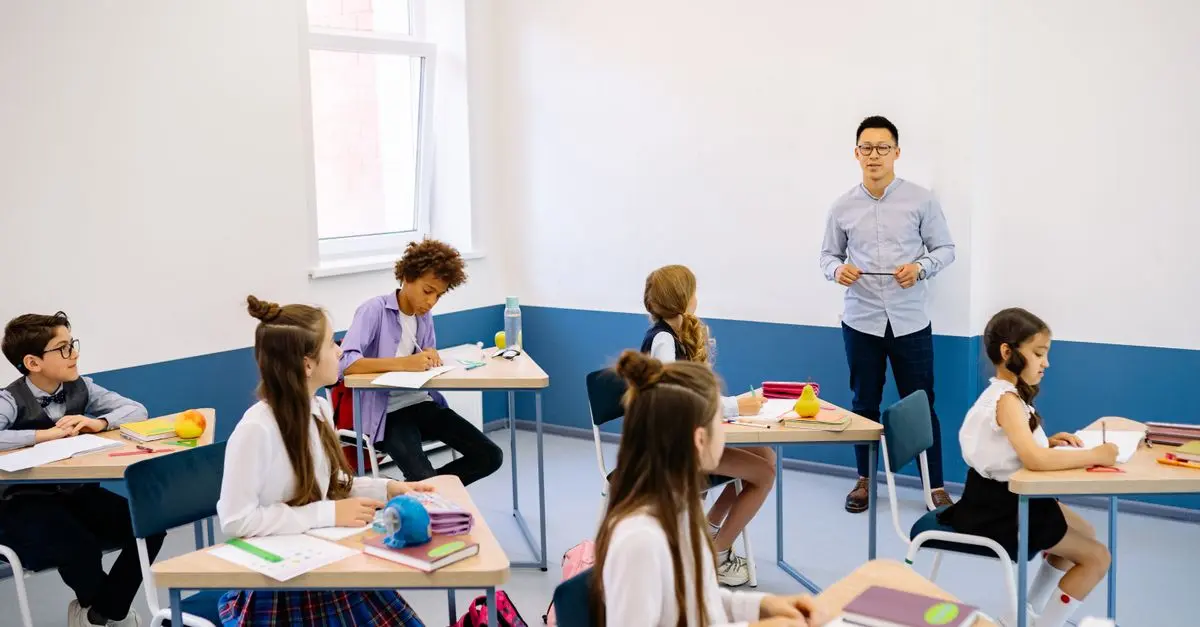
Classroom management is often cited as one of the top challenges for new teachers. Creating an environment conducive to learning requires a mix of authority and approachability. According to a report by the National Center for Education Statistics, about 20% of teachers list classroom management as their primary difficulty in their first year. To overcome this, new teachers should implement clear rules and procedures, engage students with interactive activities, and remain consistent in enforcing classroom policies. Building relationships with students and earning their respect can significantly improve classroom dynamics.
2. Lack of Experience with Curriculum Planning
New teachers frequently struggle with curriculum design and lesson planning. Without a wealth of experience, they may find it difficult to create effective lesson plans that meet diverse learning styles. One effective strategy is to collaborate with experienced colleagues. Many schools offer mentorship programs that pair new teachers with seasoned educators, promoting knowledge sharing. Additionally, utilizing existing curriculum resources and modifying them to fit individual class needs can alleviate stress.

3. Balancing Work and Life
Teaching is often a demanding job that can overshadow personal time. Many new educators find themselves working late into the night or over the weekend, hindering their work-life balance. Setting boundaries is essential for maintaining mental health. According to a study by the American Psychological Association, teachers are at high risk for burnout, particularly in their early years. New teachers should prioritize self-care, allocate time specifically for personal activities, and seek support from peers.
4. Building Positive Relationships with Students
Establishing rapport with students is crucial for fostering a positive learning environment. However, new teachers may find it challenging to connect, especially in diverse classrooms. Taking time to understand each student's background and interests can aid in building these relationships. Engagement strategies such as class discussions, group work, and individual check-ins can also enhance connection and trust between teachers and students.
5. Navigating School Politics
Every school has its culture and politics, which can be challenging for newcomers to navigate. Understanding the dynamics and building alliances with staff members is essential for survival and success. New teachers should approach school politics with an open mind and a willingness to listen. Participating in school events and engaging in conversations with fellow teachers can help build stronger relationships and understanding.
6. Grading and Assessment Techniques
New teachers often feel overwhelmed by the sheer volume of grading and the complexities of assessment. Misunderstanding how to fairly assess students can lead to frustration. Implementing consistent and clear grading rubrics can help streamline this process. Furthermore, utilizing technology for grading can simplify and speed up assessments. Online grading platforms can provide an easier way to manage student evaluations.
7. Parental Involvement
Engaging parents in their child's education is critical, yet new teachers may find this daunting. A lack of established communication channels can lead to difficulties in fostering parental involvement. Developing a strategy for open communication—whether through newsletters, emails, or parent-teacher meetings—can ensure parents are kept in the loop. Creating a welcoming environment invites parents to collaborate more meaningfully.
8. Professional Development
Many new teachers feel they lack adequate training in certain areas, including specialized teaching techniques and technology integration. Continuous professional development can help bridge these gaps. Schools should support their educators by offering workshops and training sessions. New teachers should actively seek out opportunities to attend conferences and obtain certifications relevant to their teaching areas.
9. Coping with Student Diversity
In today's classrooms, teachers often encounter a diverse student population. New educators might feel unprepared to address the varied needs of students from different cultural, linguistic, and social backgrounds. Embracing culturally responsive teaching practices can help. By incorporating diverse perspectives into lesson plans, teachers can ensure that all students feel represented and respected.
10. Emotional Toll
The emotional labor of teaching can weigh heavily, especially for those just starting their careers. New teachers may underestimate the emotional investment required when supporting students through various challenges. Developing emotional resilience through mindfulness practices, peer support, and professional counseling can be beneficial. It's essential for educators to engage in self-reflection and seek assistance when feelings of distress arise.
Conclusion
Navigating the early years of teaching can be filled with challenges, but understanding these common issues and employing effective solutions can ease the transition. By focusing on classroom management, engaging with students and parents, and continuously seeking professional development, new teachers can lay a strong foundation for their careers in education.
Checklist before Starting Your Teaching Journey
- [ ] Establish clear classroom rules and expectations
- [ ] Create a supportive network with peers
- [ ] Invest time in professional development
- [ ] Develop strategies for engaging parents
- [ ] Prioritize self-care and work-life balance
📺 Resource Video
To dive deeper into teaching techniques and strategies, search on YouTube: "effective classroom management strategies for new teachers".
Glossary
| Term | Definition |
|---|---|
| Classroom Management | Techniques and strategies to maintain a conducive learning environment. |
| Curriculum Planning | Process of developing detailed teaching plans and educational content. |
| Culturally Responsive Teaching | Approaches that recognize and incorporate the cultural backgrounds of students into teaching. |
---
📺 Pour aller plus loin : effective classroom management strategies for new teachers sur YouTube
Recommended products
Selected by our experts
Growth Mindsets for Teachers and Learners
Alison US CA
This resource supports new teachers in developing growth mindsets, essential for overcoming challenges they face in their first years.