Table of Contents (14 sections)
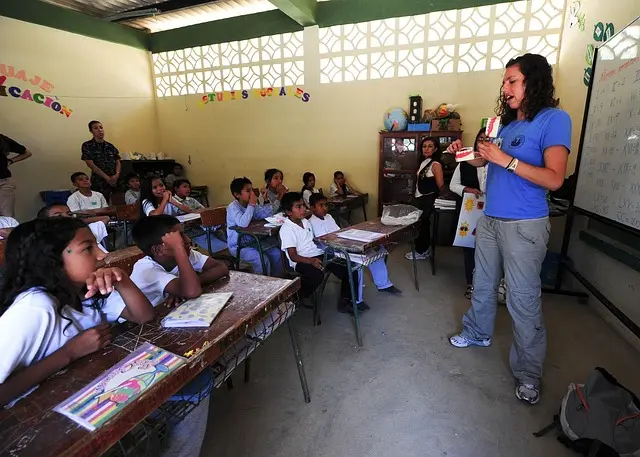
Fostering collaboration in the classroom is essential for creating an engaging and effective learning environment. Collaboration cultivates critical thinking, improves communication skills, and enhances the overall learning experience for students. Educators who embrace collaborative strategies help students develop the skills needed for success in today's interconnected world. In this article, we will explore 10 effective strategies for fostering collaboration among students in your classroom.
1. Group Projects: The Power of Teamwork
Group projects are one of the most effective ways to foster collaboration among students. By working in groups, students learn to share responsibilities, delegate tasks, and communicate effectively. This strategy not only helps build teamwork skills but also encourages diverse perspectives. For example, combining students from different backgrounds may lead to innovative solutions and creative outcomes. According to a study by The Association for Supervision and Curriculum Development (ASCD), students involved in group projects demonstrate higher retention rates and improved social skills compared to those who work individually.
2. Peer Teaching: Learning from One Another
Incorporating peer teaching into your lesson plans is another powerful strategy. By allowing students to teach each other, they actively engage with the material, deepening their understanding. Peer teaching promotes collaboration as students take turns instructing their classmates. An example could involve students presenting their analysis of a scientific concept to the class, allowing their peers to question and discuss various viewpoints. Research from the University of Michigan indicates that peer teaching enhances comprehension and retention significantly.
3. Collaborative Technology Tools: Embracing the Digital Age
The use of collaborative technology tools is increasingly vital in fostering collaboration among students. Platforms like Google Classroom, Microsoft Teams, and Padlet enable students to work together on projects, share resources, and provide feedback in real time. For instance, using a shared Google Document for group essay writing can streamline collaboration, allowing students to edit, comment, and contribute simultaneously. According to a 2025 report from EdTech Magazine, 87% of educators found that using technology in the classroom enhances student collaboration and engagement.
4. Structured Discussion Formats: Enhancing Communication
Using structured discussion formats, such as Socratic Seminars or fishbowl discussions, can significantly enhance classroom collaboration. These formats encourage active participation and enable students to engage with their peers' perspectives in a respectful manner. For example, in a Socratic Seminar, students facilitate a discussion about a piece of literature, taking turns to respond to each other's ideas while practicing active listening. According to studies by the National Council of Teachers of English, structured discussions help students articulate their ideas and build critical thinking skills.
5. Role-Playing Activities: Experiential Learning
Role-playing activities provide students with the opportunity to experience different viewpoints in a collaborative setting. For instance, students can enact historical events or simulate business negotiations, allowing them to practice teamwork and communication. This experiential learning approach encourages empathy and a deeper understanding of diverse perspectives. A study by Harvard Business Review emphasizes that role-playing can enhance problem-solving skills and improve collaboration among students.
6. Classroom Decision-Making: Empowering Students
Involving students in classroom decisions fosters a sense of ownership and accountability. Allowing them to participate in decision-making processes—from setting classroom rules to selecting project topics—encourages collaborative dialogue and teamwork. For example, organizing a vote for a class project theme promotes student engagement and investment in the learning process. According to a report from the International Society for Technology in Education, classrooms where students are actively involved in decision-making tend to have higher levels of collaboration and motivation.
7. Diverse Group Assignments: Embracing Differences
Creating diverse groups for assignments is vital for fostering collaboration. Mixing students with varying strengths, backgrounds, and perspectives promotes richer discussions and collaborative experiences. For instance, in a science project, pairing a student strong in research with one who excels at presenting can lead to a more successful project outcome. A 2025 study by the American Educational Research Association highlighted that diverse groupings result in higher student performance and innovative outcomes.
8. Community-Based Projects: Real-World Connections
Engaging students in community-based projects encourages them to collaborate while making a real-world impact. By addressing local issues through group initiatives, students develop a sense of teamwork and community responsibility. For example, organizing a cleanup event or collaborating with a local charity invites students to work together toward a common goal while promoting collaboration and social awareness. According to The Corporation for National and Community Service, students involved in community service projects report improved collaboration skills and personal development.
9. Feedback and Reflection: Promoting Growth
Encourage students to provide feedback to one another and reflect on their collaborative experiences. Constructive feedback helps students learn from their peers and fosters an environment of continuous improvement. Implementing regular reflection sessions, either through journals or class discussions, allows students to articulate their insights on working collaboratively. A 2025 study by The Educational Psychology Review found that reflective practices boost student confidence and enhance teamwork.
10. Teacher as a Facilitator: Guiding Collaboration
Finally, adopting the role of a facilitator rather than a traditional instructor enhances collaboration. As a facilitator, you guide discussions, encourage student engagement, and provide support in group tasks. By creating an inclusive classroom environment, students feel valued and are more likely to contribute actively. According to research from Stanford University's Graduate School of Education, a facilitator approach significantly increases student collaboration and enthusiasm.
📺 For Further Exploration:
[The Importance of Collaboration in the Classroom], an analysis of collaboration strategies. Search on YouTube: importance of collaboration in education.
Checklist for Fostering Collaboration:
- [ ] Implement group projects in your curriculum.
- [ ] Encourage peer teaching initiatives.
- [ ] Utilize collaborative technology tools.
- [ ] Design structured discussion formats.
- [ ] Integrate role-playing activities in lessons.
- [ ] Involve students in classroom decision-making.
- [ ] Create diverse groups for assignments.
- [ ] Design community-based projects.
- [ ] Incorporate feedback and reflection sessions.
- [ ] Act as a facilitator in collaborative settings.
Glossary
| Term | Definition |
|---|---|
| Peer Teaching | An educational approach where students teach each other concepts. |
| Socratic Seminar | A formal discussion centered on a text, fostering critical thinking. |
| Role-Playing | An interactive learning method where students act out scenarios. |
> 🧠 Quick Quiz: What is the main benefit of fostering collaboration in the classroom?
> - A) Increased competition
> - B) Enhanced communication skills
> - C) Individual achievements
> Answer: B — Collaboration promotes teamwork and communication.
📺 Pour aller plus loin : importance of collaboration in education sur YouTube