Table of Contents (15 sections)
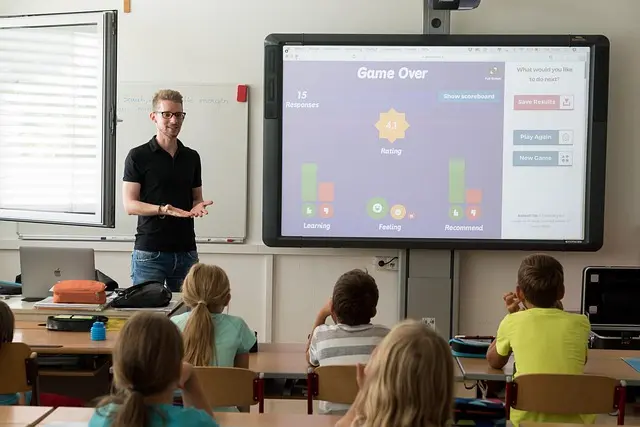
Managing a classroom effectively is one of the most crucial aspects of being an educator. It involves understanding dynamics, maintaining a positive environment, and implementing strategies to deal with various challenges. In today's classrooms, teachers face unique challenges that can disrupt learning. This article explores 10 effective classroom management strategies that can help educators create a productive learning environment.
1. Establish Clear Expectations
Setting clear expectations is fundamental in managing classroom challenges. Educators should clearly outline the rules and procedures from the first day of class. For instance, establishing norms for behavior, participation, and respect towards peers fosters a sense of accountability among students. According to research, classrooms where clear expectations are communicated see a 30% increase in student compliance and overall satisfaction. Additionally, regularly revisiting these expectations reinforces their importance and adapts them based on classroom needs.
2. Foster a Positive Learning Environment
A positive learning environment encourages students to engage and participate. Teachers can foster this atmosphere by recognizing achievements, facilitating open communication, and integrating social-emotional learning. For example, starting the day with a class discussion about emotions allows students to express themselves, which may reduce behavioral issues throughout the day. According to the U.S. Department of Education, classrooms that prioritize social-emotional skills show improved academic performance.


3. Implement Flexible Seating Arrangements
Flexible seating can increase student engagement and reduce behavioral challenges. By allowing students to choose where and how they sit, teachers promote autonomy and comfort, which can lead to improved focus. Implementing options like bean bags, standing desks, or collaborative seating arrangements can decrease distractions. Schools that have adopted flexible seating report a 25% increase in collaboration and engagement during class.
4. Utilize Positive Reinforcement
Positive reinforcement is a powerful tool in classroom management. By rewarding desirable behaviors with tokens, praise, or privileges, educators can encourage rather than punish. Establishing a reward system that recognizes individual and class accomplishments cultivates motivation. According to a study by the American Psychological Association, students who receive regular positive reinforcement are more likely to exhibit self-regulation and persist in the face of difficulties.
5. Incorporate Technology Wisely
Leveraging technology in the classroom can enhance learning experiences and address some behavioral challenges. Engaging educational platforms can make lessons interactive and cater to diverse learning styles. For instance, using applications that allow real-time feedback during lessons keeps students accountable. Implementing technology according to educational goals can lead to a 10-15% increase in student performance on assessments. However, it is crucial to ensure that technology does not become a distraction and is integrated appropriately.
6. Utilize Classroom Management Tools
Several tools and technologies can assist educators in maintaining control and engagement in their classrooms. For instance, using software for attendance tracking or behavioral management can simplify administrative tasks, allowing teachers more time to focus on instruction. Tools like digital bulletin boards can help track rewards and announcements. These resources not only streamline management but also engage students in a tech-friendly way. Teachers commonly note a reduction in administrative workload by 20-30% upon implementing digital tools.


7. Emphasize Consistency
Consistency in rules and responses to behavior creates a reliable environment for students. Educators should consistently apply classroom rules and be predictable in their responses to behavior. When students know what to expect, they are less likely to test boundaries. Establishing a consistent routine helps students feel secure, leading to increased focus on learning. Research indicates that consistency can reduce behavioral problems by up to 15% in classrooms.
8. Engage Students in Decision-Making
Involving students in the decision-making process can foster a sense of ownership over their learning. Providing opportunities for students to voice their opinions on class projects or rules helps develop their critical thinking and reinforces positive behavior. For example, holding class meetings to discuss classroom issues or collaborative projects builds rapport between the teacher and students. According to a study by Harvard University, classrooms that practice student involvement report higher levels of engagement and satisfaction.
9. Create a Culture of Accountability
Accountability encourages students to take responsibility for their actions and learning. Teachers should incorporate strategies that emphasize learning from mistakes rather than punishing failures. For example, implementing a peer review process can help students recognize the importance of constructive criticism. This culture fosters resilience, and studies show that students who understand accountability can improve their academic performance substantially.
10. Regularly Reflect and Adapt
Lastly, educators must regularly reflect on their classroom management strategies and seek feedback from peers or mentors. By analyzing what works and what does not, teachers can adapt their approaches to fit their unique classroom dynamics. This cyclical reflection process creates an evolving environment that addresses challenges effectively. Educators should also keep abreast of new management strategies through professional development to remain dynamical in their approach.
📺 Resource Video
> 📺 For further insights: Explore effective classroom management strategies to enhance your teaching practices. Search on YouTube for: "classroom management strategies 2026".
Checklist Before Implementing Strategies
- [ ] Establish clear classroom expectations.
- [ ] Foster a positive learning environment.
- [ ] Implement flexible seating arrangements.
- [ ] Utilize positive reinforcement consistently.
- [ ] Incorporate technology to enhance engagement.
- [ ] Utilize classroom management tools efficiently.
- [ ] Emphasize consistency in rule enforcement.
- [ ] Engage students in decision-making processes.
- [ ] Create a culture of accountability.
- [ ] Reflect and adapt management strategies regularly.
Glossary
| Term | Definition |
|---|---|
| Classroom Management | Techniques used to maintain a healthy learning environment. |
| Positive Reinforcement | Rewarding desired behaviors to encourage their recurrence. |
| Flexible Seating | Non-traditional seating arrangements allowing student choice. |
Conclusion
By implementing these classroom management strategies, educators can significantly reduce challenges and create a more effective learning environment. Remember, the key is consistency and adaptability. Effective management is an ongoing process that requires regular reflection and adaptation to meet the diverse needs of students.
Call to Action: For more insights and strategies on classroom management, consider exploring our recommended products that can assist in creating an engaging learning space.
📺 Pour aller plus loin : This SECRET Technique will Boost your Classroom Management FOREVER - In Just 10 MINUTES! sur YouTube
Recommended products
Selected by our experts
Think Tank Photo Cable Management 30
thinktankphoto.com
This cable management product helps keep your classroom organized and free of clutter, allowing for a focus on teaching.
Think Tank Photo Cable Management 10
thinktankphoto.com
Ideal for organizing technology cables, this product enhances the learning environment by eliminating distractions.
Think Tank Photo Cable Management 20
thinktankphoto.com
This management solution provides better organization for classroom equipment, improving overall functionality.