Table of Contents (15 sections)
Professional Development Opportunities {#professional-development}
Enhancing teaching skills through focused professional development is paramount for educators. Numerous organizations offer workshops, seminars, and conferences geared towards various aspects of education from classroom management to innovative teaching strategies. For instance, attending conferences like the National Educators Association (NEA) annual gathering allows teachers to connect with peers and learn about the latest trends in education.
Moreover, many districts provide in-house training that fosters professional growth tailored to specific school needs. Engaging in these opportunities not only expands knowledge but also empowers educators to lead their classrooms more effectively. A study by the Learning Policy Institute found that effective professional development can increase student performance by as much as 21%. It's a vital investment in every teacher's career.
Digital Tools for the Classroom {#digital-tools}
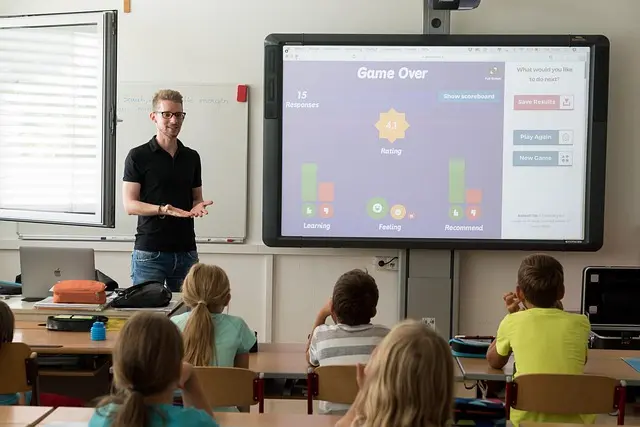
The integration of technology in education has transformed traditional teaching methodologies. Digital tools like Google Classroom, Kahoot!, and ClassDojo have made learning more interactive and accessible. Google Classroom streamlines assignment distribution and grading, enhancing communication between teachers and students.
Kahoot! offers a fun way to conduct quizzes that engage students, making feedback immediate and enjoyable. Additionally, platforms like ClassDojo encourage student logging to showcase progress and behavior, fostering a more conducive learning environment. According to a report by EdTech Magazine, teachers who incorporate digital tools see improved engagement and collaboration among students. Embracing these technologies makes teaching more effective and enriching for both educators and students.
Networking Platforms {#networking-platforms}
In an ever-evolving educational landscape, networking has become crucial for educators seeking support and sharing best practices. Platforms such as Twitter and LinkedIn are invaluable for connecting with fellow educators and industry experts globally. Twitter chats like #edchat allow teachers to engage in meaningful discussions and exchange ideas with their peers.
Moreover, joining professional networks like The Educator’s Network offers teaching resources, mentorship, and potential job opportunities. Collaborating with others in the field can significantly enhance teaching practices and provide a sense of community, especially for isolated educators. Building these connections fosters growth and creates a culture of continuous learning.
Teaching Resources Libraries {#teaching-resources-libraries}
Accessing quality teaching materials can often be a challenge for teachers. Libraries dedicated to educational resources such as Teaching Resources and Teachers Pay Teachers specialize in providing various tools, lesson plans, and classroom materials. Here, teachers can find resources tailored to different subjects, grade levels, and learning styles.
These libraries not only save educators time but also provide innovative teaching ideas that align with current educational standards. In addition, many resources come with reviews and feedback from other educators, ensuring quality and effectiveness. Leveraging these libraries supports teachers in crafting engaging lessons and enhances their repertoire of teaching strategies.
Online Courses and Webinars {#online-courses}
Continuous learning is essential for teachers looking to improve their craft. Websites like Coursera and edX offer numerous online courses on educational theory, pedagogy, and technology integration. These courses cater to various levels of experience and are often created by accredited universities.
Additionally, participating in webinars allows teachers to learn from experts in real-time and ask questions, making the experience interactive. For instance, ASCD frequently hosts free webinars on leadership, classroom management, and curriculum design that educators can attend to stay updated on best practices. Research shows that teachers who engage in online learning opportunities report feeling more competent and confident in their teaching abilities.
Subject-Specific Organizations {#subject-specific-organizations}
Joining subject-specific organizations provides teachers with specialized knowledge and resources tailored to their subject area. Organizations such as the National Council of Teachers of Mathematics (NCTM) or the National Science Teachers Association (NSTA) offer countless resources, including publications, networking opportunities, and workshops focused on the latest in their fields.
Being part of such organizations can also provide access to grants and funding opportunities for educational projects. According to data from U.S. Department of Education, educators involved in subject-specific organizations are more likely to implement innovative practices in their classrooms, enhancing student achievement.
Educational Blogs and Podcasts {#educational-blogs}
The rise of educational blogs and podcasts has become a pivotal resource for teachers seeking fresh ideas and inspiration. Websites like Edutopia and TeachThought offer insights into effective teaching strategies and classroom innovations. Meanwhile, podcasts such as The Cult of Pedagogy and TED Talks Education provide inspiring stories and expert advice that educators can apply in their classrooms.
Research shows that consuming content through these channels can lead to practical applications in the classroom and foster a mindset of lifelong learning. Engaging with this media not only informs teachers but also connects them to a broader community of educators sharing similar challenges and successes.
Mental Health Resources {#mental-health-resources}
Recognizing the importance of mental health for educators cannot be overstated. Resources such as Mindful Schools and The Calm Classroom offer workshops and materials to help teachers manage stress and cultivate mindfulness in their teaching practices. Prioritizing mental health not only benefits teachers but also positively influences student well-being and learning.
Establishing a healthy work-life balance and providing support for emotional well-being is crucial in the teaching profession, which can be demanding and stressful. According to the American Psychological Association, addressing mental health needs contributes to improved retention rates among teachers and a more positive classroom environment.
Classroom Management Techniques {#classroom-management}
Effective classroom management is essential for fostering a productive learning environment. Techniques like establishing clear rules, implementing positive reinforcement, and using strategies to build relationships can greatly reduce behavioral issues. Resources such as the Classroom Management for Academic Success provide research-supported techniques that teachers can implement to improve their classroom dynamics.
According to a study by The National Center for Learning Disabilities, effective classroom management can lead to a 30% improvement in student engagement and focus. Investing time in management techniques ultimately creates a better learning experience for everyone involved.
Feedback and Reflection Tools {#feedback-tools}
Feedback is a critical element in the teaching and learning process. Tools such as Seesaw and Flipgrid allow for interactive feedback between teachers and students, enabling personal reflection and growth. Additionally, utilizing reflection tools helps teachers evaluate their practices and understand what strategies work effectively.
Research indicates that teachers who regularly reflect on their practices can significantly enhance student outcomes. According to the Instructional Leadership Research, self-reflection contributes to a deeper understanding of pedagogy and improves instructional skills over time.
📺 Resource Video
> 📺 For further exploration: “Top Classroom Resources for Effective Teaching,” a comprehensive analysis of crucial tools for educators. Search YouTube: top classroom resources for teachers 2026.
Glossary
| Term | Definition |
|---|---|
| Professional Development | Activities that develop an individual’s skills and knowledge in a professional context. |
| Classroom Management | Techniques and strategies teachers use to maintain a productive learning environment. |
| Feedback Tools | Platforms that facilitate communication and constructive feedback between teachers and students. |
Checklist before Purchase
- [ ] Explore professional development workshops
- [ ] Research digital tools compatible with classroom needs
- [ ] Join networking platforms for educators
- [ ] Access teaching resource libraries
- [ ] Look into online courses for continued learning
- [ ] Connect with subject-specific organizations
- [ ] Subscribe to educational blogs and podcasts
- [ ] Prioritize mental health resources
- [ ] Implement effective classroom management strategies
- [ ] Use feedback and reflection tools for improvement
🧠 Quick Quiz
> 🧠 Quick Quiz: What is the most effective type of resource for ongoing teacher development?
> - A) Professional Networking
> - B) Educational Blogs
> - C) Online Courses
> Answer: A — Professional Networking provides support and sharing of ideas which is essential for ongoing development.
📺 Pour aller plus loin : Top 22 teacher purchases of 2022 #amazonfinds #amazon #teacher #teachertips sur YouTube