Table of Contents (17 sections)
Teaching is not just a profession; it's a dynamic journey that requires constant growth and adaptation. In 2026, the landscape of education is evolving, and teachers must develop a diverse skill set to meet the needs of their students. This article outlines the essential skills for teachers that are crucial for professional success. From effective communication to cultural competency, these skills are vital in navigating the complexities of the classroom. Each skill will be explored in-depth, providing you with actionable insights to enhance your teaching practice.
1. Effective Communication
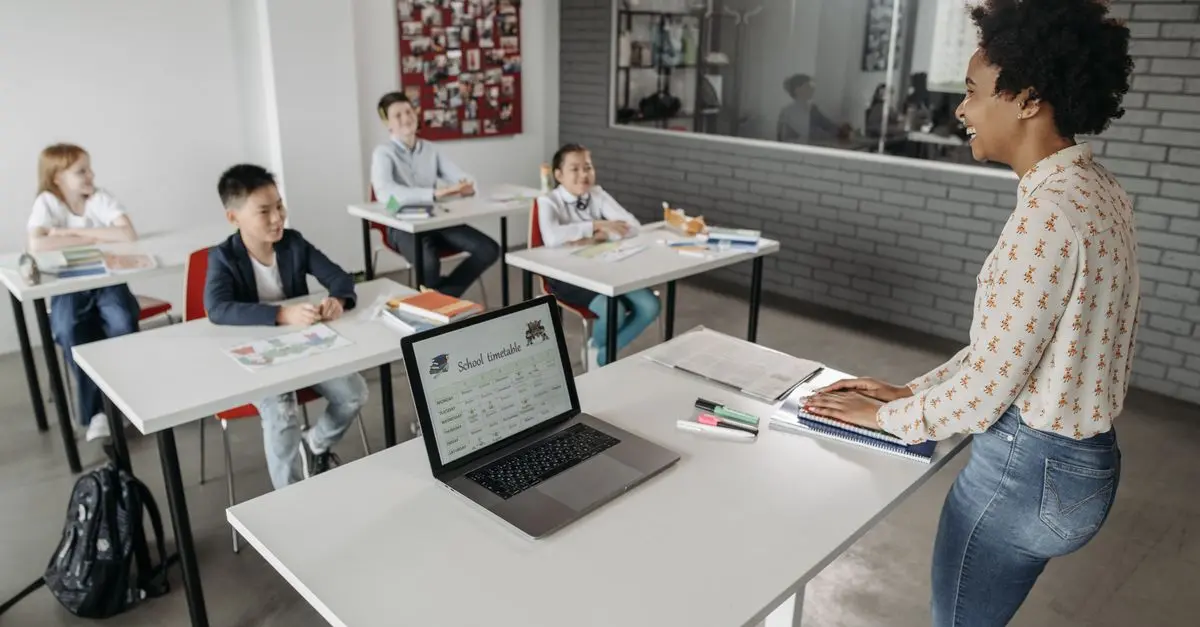
Effective communication is a cornerstone of teaching. It goes beyond simply delivering lectures; it involves active listening, clear articulation, and the ability to engage students in meaningful discussions. According to a study published by the National Education Association, effective communication fosters a positive learning environment and improves student participation. Teachers should practice various communication strategies, such as asking open-ended questions, providing constructive feedback, and using non-verbal cues. By mastering these techniques, teachers can create a classroom atmosphere that encourages student engagement and collaboration.
2. Classroom Management
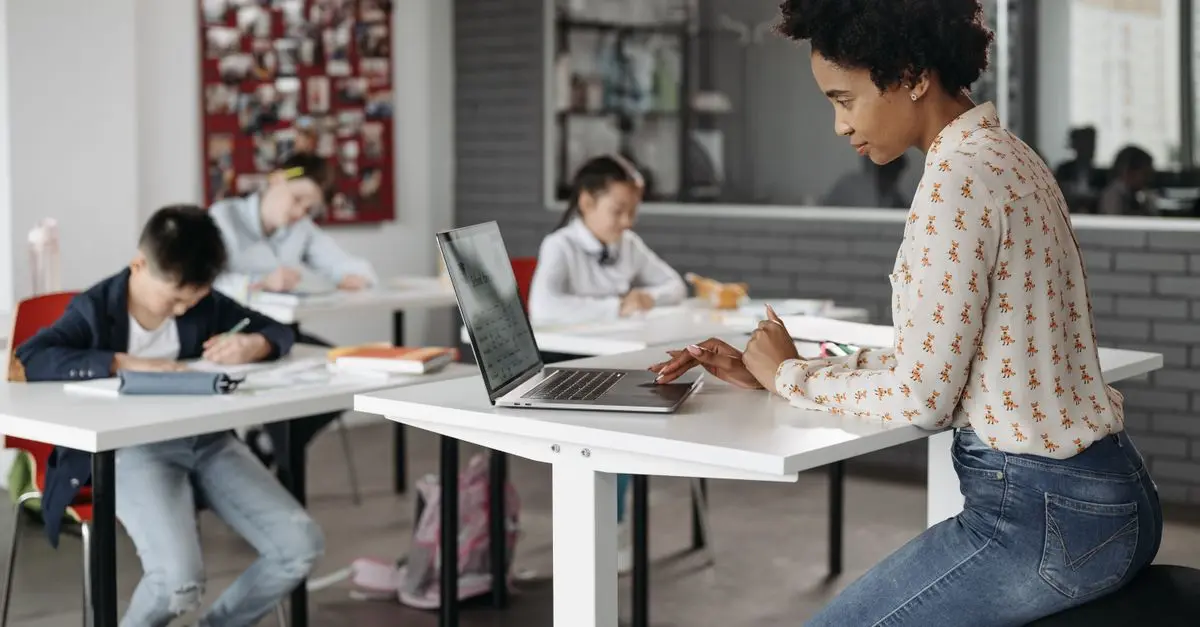
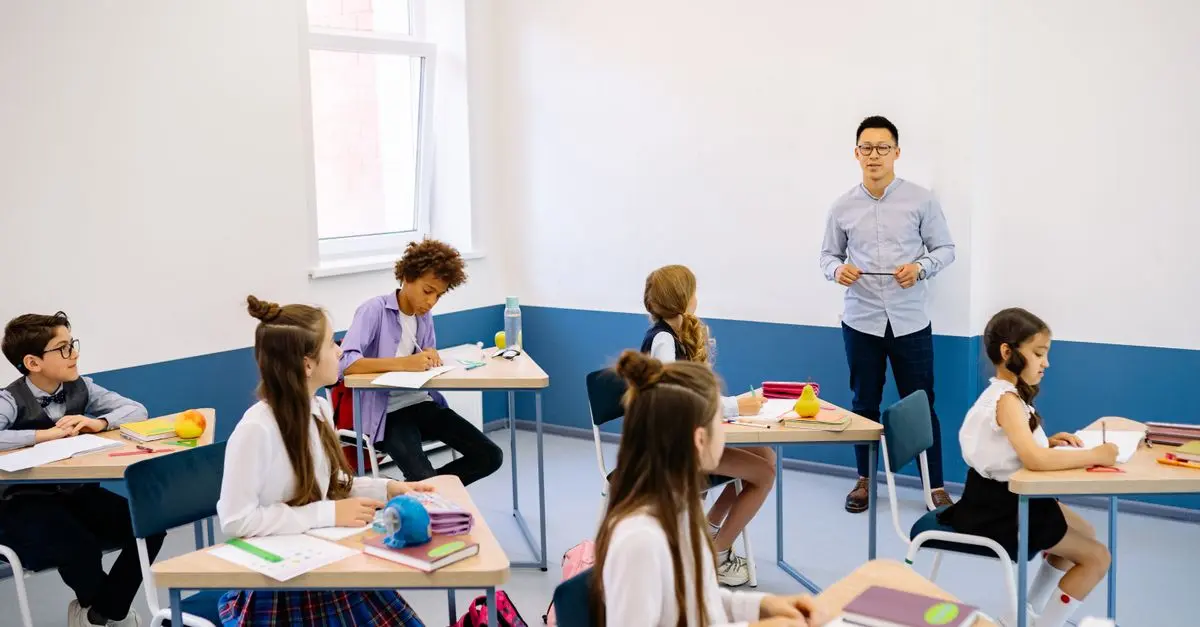
Classroom management encompasses the strategies teachers use to maintain an organized and productive learning environment. A well-managed classroom enhances student learning and reduces behavioral issues. For instance, positive behavior reinforcement strategies, such as reward systems, can encourage collaboration and respect among students. Also, establishing clear expectations and routines is essential. As per a report by the Center for Responsive Schools, well-structured classrooms yield higher academic achievement rates. Teachers should focus on building relationships with students to promote a respectful and disciplined atmosphere.
Uplift Essentials Rotatable Adjustable Tablet Stand For IPad And Tablets black 1
inspireuplift.com
Uplift Essentials Tripod Floor Tablet Stand Adjustable Heavy Duty Tablet Support Tripod Floor Tablet Stand Adjustable Heavy Duty Tablet Support
inspireuplift.com
Uplift Essentials Rotatable Adjustable Tablet Stand For IPad And Tablets silver 1
inspireuplift.com
3. Cultural Competency
In today's increasingly diverse classrooms, cultural competency is essential. Teachers must understand and respect the different cultural backgrounds of their students to foster an inclusive environment. Familiarizing oneself with students' cultural histories and perspectives enhances engagement and supports their educational experience. An article by Teaching Tolerance emphasizes that culturally responsive teaching leads to higher student achievement and lower dropout rates. By acknowledging and valuing diversity, teachers can address students’ specific needs and support their overall academic growth.
4. Technological Proficiency
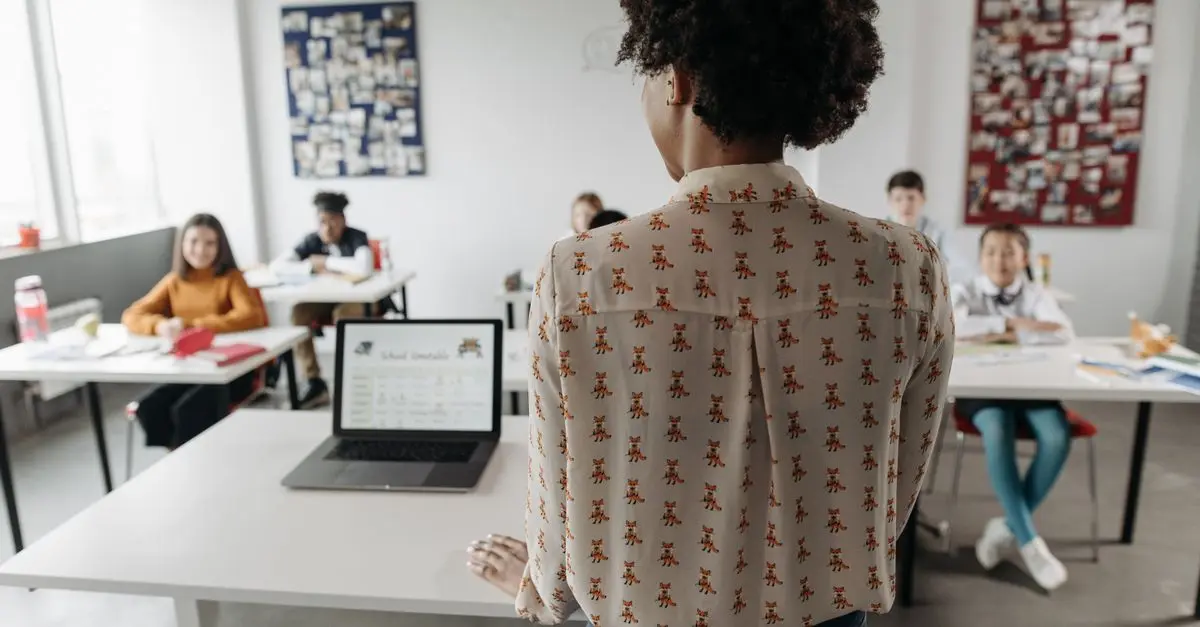
As technology rapidly advances, teachers must embrace digital tools to enhance learning. Proficiency in educational technology not only streamlines lesson delivery but also engages students on platforms they already use. According to data from Pew Research, 97% of teachers believe that using technology improve student engagement. Teachers should strive to integrate tools like interactive whiteboards, learning management systems, and educational apps into their curriculum. Continuous professional development in technology will keep educators ahead and enrich the learning experiences they provide.
5. Adaptability
The ability to adapt is crucial in education, especially in the face of unexpected challenges such as the shift to remote learning. Teachers must be flexible in their approaches to accommodate different learning styles and unexpected scenarios. A study from the Harvard Graduate School of Education found that adaptable teachers can create a positive learning experience for their students, which leads to improved academic performance. Strategies for adaptability include differentiating instruction, utilizing feedback, and being open to new teaching practices.
6. Emotional Intelligence
Emotional intelligence (EI) is the ability to perceive, understand, and manage emotions—both your own and those of others. High EI allows teachers to respond effectively to students' needs, fostering a supportive learning environment. Daniel Goleman, a leading expert on EI, states that teachers with high emotional intelligence can build stronger relationships, resolve conflicts more effectively, and promote student well-being. By cultivating emotional awareness and empathy, educators can connect with students globally.

Realistic Female Butt Masturbator With Tight Channel Design, Y Texture, Delicate Touch, Essential Private Experience For Men
Voghion Global
Uplift Essentials Rotatable Adjustable Tablet Stand For IPad And Tablets black 2
inspireuplift.com
Uplift Essentials Rotatable Adjustable Tablet Stand For IPad And Tablets silver 2
inspireuplift.com
7. Critical Thinking and Problem Solving
Encouraging critical thinking and problem-solving skills in students is paramount for their future success. Teachers should employ teaching methods that promote inquiry and exploration, such as project-based learning and collaborative activities. A report by the Partnership for 21st Century Skills indicates that students who develop these skills show greater creativity and adaptability in real-world situations. To foster a culture of critical thinking, educators should model how to approach complex problems and guide students through the process of finding solutions.
8. Collaboration Skills
Collaboration is at the heart of effective teaching. Teachers must collaborate with colleagues, parents, and communities to enhance educational outcomes. Creating professional learning communities enables teachers to share resources, strategies, and support each other’s growth. Research from the Institute for Education Sciences highlights that collaborative teaching approaches lead to improved student learning outcomes. Teachers should actively seek opportunities for collaboration to innovate and refine their teaching practices.
9. Assessment Literacy
Understanding how to effectively assess student learning is a critical skill for teachers. Assessment literacy enables educators to evaluate student progress accurately and make informed instructional decisions. According to the Assessment Institute, formative assessments can significantly impact student learning when used effectively. Teachers should incorporate various assessment types, both formative and summative, and use data to inform their teaching strategies. Professional development opportunities can enhance assessment literacy skills.
10. Lifelong Learning
Lastly, the willingness to engage in lifelong learning is an essential trait that teachers must cultivate. The field of education is constantly evolving, and teachers must stay updated with the latest research, methodologies, and best practices. Attending workshops, webinars, or enrolling in advanced degrees contributes to professional growth. The National Board for Professional Teaching Standards encourages educators to pursue continuous professional learning to improve their teaching effectiveness and student outcomes.
🧠 Quiz rapide :
> What is one essential skill every teacher should develop?
> - A) Strong writing skills
> - B) Emotional intelligence
> - C) Heavy workload management
> Réponse : B — Emotional intelligence is crucial for connecting with students and fostering a positive learning environment.
Conclusion
Developing these essential skills for teachers is crucial for success in the ever-evolving world of education. By focusing on effective communication, cultural competency, adaptability, and continuous learning, teachers can significantly enhance their teaching effectiveness and, ultimately, student success. Engaging in professional development focused on these skills can lead to a more fulfilling and impactful career in education.
Checklist before Implementing Skills
- [ ] Assess your current communication strategies.
- [ ] Develop a classroom management plan.
- [ ] Engage in professional development about cultural competency.
- [ ] Explore and test new educational technologies.
- [ ] Create a flexible lesson planning approach.
- [ ] Strengthen your emotional intelligence practices.
- [ ] Encourage problem-solving and critical thinking in lessons.
- [ ] Collaborate with colleagues regularly.
- [ ] Enhance your assessment literacy skills.
- [ ] Commit to ongoing learning opportunities.
Glossaire
| Terme | Définition |
|---|---|
| Cultural Competency | Understanding, respecting, and valuing diversity in the classroom. |
| Emotional Intelligence | Ability to manage one’s own emotions and understand the emotions of others. |
| Assessment Literacy | Understanding various assessment methods to enhance teaching and learning outcomes. |
📺 Pour aller plus loin :
Educational techniques that work in modern classrooms, an analysis complete of skills every teacher should develop. Recherchez sur YouTube : "how teachers can improve skills 2026".
📺 Pour aller plus loin : How to Become a Successful Teacher in 2026 | 8 Essential Teaching Skills (Don’t Miss #3!)🔥 sur YouTube
Recommended products
Selected by our experts
beautyblender Beautyblender Bounce Haus Essential Trio Gift Set, - None - Size: 0.31 Oz
kohls.com
Uplift Essentials Silicone T Shaped Eye Patch For Facial Skincare Silicone T Shaped Eye Patch For Facial Skincare
inspireuplift.com