Table of Contents (16 sections)
Reflecting on your teaching journey is a vital process for professional growth as an educator. It allows you to analyze your experiences, improve your methodologies, and ultimately enhance your impact on students. In this article, we will explore 10 essential strategies that will help you maximize your reflective practices.
1. Embrace Continuous Learning
To effectively reflect on your teaching journey, it’s crucial to embrace a mindset of continuous learning. Engage in professional development opportunities, workshops, and seminars tailored for educators. By keeping abreast of the latest teaching methodologies, educational technologies, and pedagogical research, you can better evaluate your practices. Moreover, reading literature on education can introduce new ideas that challenge your current viewpoints and inspire you to implement fresh strategies in your classroom.
2. Maintain a Teaching Journal
A teaching journal serves as an invaluable tool for reflection. Dedicate time each week to record lessons learned, student interactions, and personal feelings about your teaching experiences. This practice not only allows for introspection but also provides you with a written record to analyze trends in your teaching. Use prompts such as, "What went well this week?" and "What could I improve upon?" to guide your entries. A journal can also help you track your goals and progress over time, making it easier to acknowledge achievements.

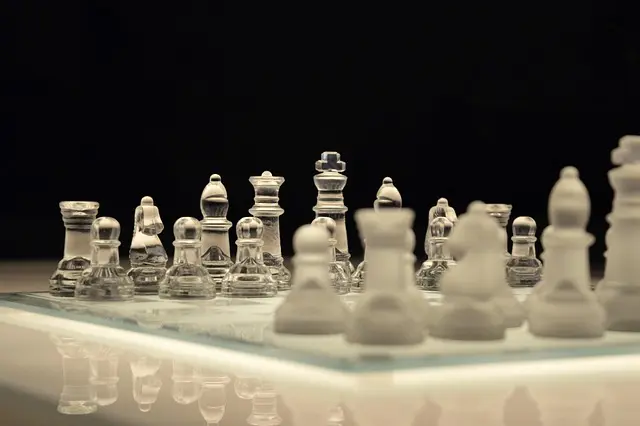
The House of Staunton 36" Pouch-Style Chess Demonstration (Teaching) Board Set with Deluxe Carrying Bag
houseofstaunton.com
3. Gather Student Feedback
Actively seeking student feedback can significantly enhance your reflective process. Conduct informal surveys, or encourage students to share their thoughts on specific lessons or teaching methods through anonymous forms. This feedback can provide insights into what students value and areas where they struggle. For example, if students consistently express confusion about a particular topic, it may indicate a need for you to revisit your explanation methods. This collaborative approach fosters a positive teacher-student relationship, making students feel valued and heard.
4. Utilize Peer Observations
Peer observations create opportunities for mutual growth among educators. Arrange to observe a colleague's class and invite them to observe yours. During these sessions, focus on specific aspects of each other's teaching, such as classroom management, engagement strategies, or instructional techniques. Afterward, discuss what you observed and exchange constructive feedback. This approach not only broadens your pedagogical toolkit but also cultivates a supportive professional community.
5. Set Specific Reflection Goals
Setting specific goals for your reflective process can enhance its effectiveness. Identify areas of your teaching you wish to improve, whether it’s classroom management, student engagement, or assessment methods. Use SMART criteria (Specific, Measurable, Achievable, Relevant, Time-bound) to structure your goals. For instance, instead of saying, "I want to improve classroom management," try, "I will implement at least two new classroom management strategies by the end of the semester and assess their effectiveness through student feedback."
6. Explore Reflective Frameworks
Familiarize yourself with various reflective frameworks, such as Gibbs' Reflective Cycle or the Kolb's Experiential Learning Cycle. These frameworks provide structured approaches to reflection. For example, Gibbs’ model encourages educators to analyze experiences through six stages: description, feelings, evaluation, analysis, conclusion, and action plan. By using a structured framework, you can deepen your insights and ensure comprehensive self-evaluation.
7. Analyze Classroom Data
Data analysis is an essential part of reflective teaching. Gather and analyze quantitative and qualitative data from assessments, attendance reports, and student performance charts. For example, if test scores indicate a decline in comprehension for a particular topic, reflect on your instructional approach during that unit. Employing data-driven decision-making will help you identify patterns, assess the effectiveness of your teaching strategies, and create informed plans for improvement.
8. Create Professional Learning Networks (PLN)
Developing a Professional Learning Network (PLN) expands your resource pool beyond your immediate environment. Engage with other educators through social media groups, online forums, and education-focused conferences. Sharing your experiences and learning from others' journeys can provide fresh perspectives that challenge and refine your reflective practices. Additionally, it allows you to remain connected with current educational trends and innovations.
9. Reflect On and Revise Lesson Plans
Regularly revising your lesson plans based on reflection is a powerful strategy for improvement. After each lesson, take time to analyze what worked well and what didn’t. Adjust your plans for the future accordingly. For instance, if an activity resulted in high engagement but didn’t meet learning objectives, brainstorm how to modify or enhance it for next time. This iterative process ensures that you are continuously refining your teaching practice.
10. Seek Mentorship
Lastly, working with a mentor can significantly enhance your ability to reflect on your teaching journey. A mentor offers guidance, advice, and a sounding board for your thoughts. Regular meetings can help you clarify your reflective goals and gain valuable insights from someone with more experience. An effective mentor can guide you in navigating challenges and celebrating achievements within your teaching journey.
📺 For Further Exploration:
Look into comprehensive analysis of teacher reflection practices. Search for "reflective teaching strategies 2026" on YouTube for valuable insights.
Glossary
| Terme | Définition |
|---|---|
| Reflection | The process of critically analyzing one's teaching practices. |
| Professional Learning Network | A group of educators who collaborate and share resources. |
| Data-Driven Decision Making | Using student data to inform teaching strategies and improvements. |
Checklist for Effective Reflection Practices
- [ ] Maintain a regular teaching journal
- [ ] Gather student feedback consistently
- [ ] Set specific reflection goals
- [ ] Engage in peer observations
- [ ] Utilize a reflective framework
- [ ] Analyze classroom data frequently
- [ ] Collaborate within your Professional Learning Network
- [ ] Revise lesson plans based on reflection
- [ ] Seek mentorship regularly
Conclusion
Reflecting on your teaching journey is an ongoing process that enhances your professional practice and impacts student success. By integrating these strategies into your routine, you can foster a culture of continuous improvement and create a more engaging learning environment.
Recommended products
Selected by our experts
The House of Staunton 36" Pouch-Style Chess Demonstration (Teaching) Board Set with Deluxe Carrying Bag
houseofstaunton.com
This chess board set is ideal for educators looking to incorporate engaging group activities into their lessons.