Table of Contents (16 sections)
In today’s ever-evolving educational landscape, teachers are constantly seeking innovative strategies to enhance their teaching journey. Engaging students effectively is more important than ever, and adopting creative methods can make a significant difference. This article explores ten innovative strategies that can transform your teaching approach, making learning more enjoyable and impactful for both educators and students alike.
1. Integrate Technology in the Classroom
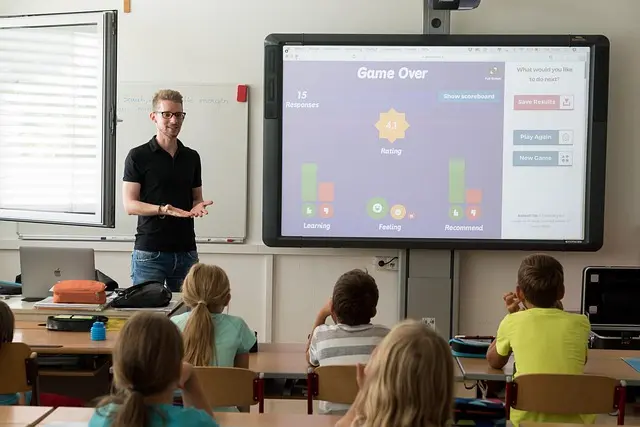
Incorporating technology into your teaching methods not only caters to various learning styles but also makes lessons more interactive. For instance, using tools like Kahoot and Google Classroom, educators can create engaging quizzes and assignments that students can complete online. A study by Educause stated that students learn better when technology is integrated into their curriculum, with 70% of surveyed students expressing that digital tools increase their understanding of subjects. Implementing tools like projection screens or interactive whiteboards can encourage collaboration and make lessons visually stimulating.
2. Utilize Project-Based Learning
Project-based learning (PBL) allows students to engage in real-world challenges while developing critical thinking skills. This approach encourages students to work collaboratively on projects that matter to them. For example, organizing a community service project can motivate students to apply their knowledge in a practical setting. According to a report by The Buck Institute for Education, PBL improves student retention rates by 40% and significantly boosts engagement. This method turns abstract concepts into tangible actions, fostering a deeper understanding and passion for learning.
3. Implement Flipped Classroom Model
The flipped classroom model is an approach where traditional lecture and homework assignments are reversed. Students first learn new content at home—be it through videos or readings—and then engage in hands-on activities in class. This model maximizes classroom time for discussions, collaborations, and applications of the taught material. According to ResearchGate, flipping classrooms can lead to higher student achievement and a more positive learning experience, as it empowers students to take control of their learning pace.
4. Incorporate Social-Emotional Learning (SEL)
Social-emotional learning (SEL) is essential for fostering a well-rounded educational experience. By integrating SEL into your teaching, you help students develop skills such as empathy, self-regulation, and teamwork. This can be done through programs that teach conflict resolution or collaboration exercises that build trust among peers. A study published in the Journal of Educational Psychology found that SEL programs can lead to a 23% increase in academic performance. Educators can create an inclusive environment where all students feel safe to express themselves.
5. Utilize Gamification Techniques
Gamification leverages game-like elements in non-gaming environments to enhance involvement and motivation. Introducing elements such as rewards, point systems, or levels can transform mundane lessons into engaging challenges. For example, awarding points for participation or creating class-wide competitions can drive enthusiasm and improve attendance. A meta-analysis by The International Review of Research in Open and Distributed Learning confirmed that gamification significantly boosts student engagement and retention.
6. Incorporate Mindfulness Practices
Mindfulness is becoming increasingly relevant in educational settings. Integrating mindfulness practices, such as meditation and mindful breathing exercises, into the school day can help students focus better and reduce anxiety. Implementing just 10 minutes of mindfulness before classroom activities can lead to a calmer, more focused classroom environment. According to Mindful Schools, programs focused on mindfulness can improve students' emotional regulation and academic performance.
7. Collaboration with Experts
Bringing experts from various fields into your classroom can enhance the educational experience. Inviting guest speakers or organizing workshops led by professionals offers students unique insights into real-world applications of their studies. Collaborations with local businesses or organizations can expand students' learning beyond textbooks. This real-world connection emphasizes the relevance of classroom lessons. For instance, a science class could benefit from a local scientist discussing current projects, enriching the students’ understanding.
8. Creating a Maker Space
A maker space is a creative environment where students can engage in hands-on learning through building and creating. This innovative approach encourages critical thinking and problem-solving skills as students interact with tools and materials. According to an article by Edutopia, maker spaces promote collaboration, creativity, and STEM learning, enhancing students' engagement and fostering a hands-on approach to education. These spaces can inspire the next generation of inventors and innovators.
📺 Resource Video
> 📺 For further exploration: Innovative Classroom Strategies, a comprehensive overview of methods to enhance your teaching journey. Search on YouTube: "innovative teaching strategies 2026".
Comparison of Teaching Strategies
| Strategy | Benefits | Challenges | Best Used For |
|---|---|---|---|
| Technology Integration | Increases engagement, accessibility | Requires tech training for teachers | Diverse learning styles |
| Project-Based Learning | Real-world application, critical thinking | Time-consuming planning | Collaborative learning |
| Flipped Classroom | Maximizes in-class activity time | Students may resist independent learning | Active learning environments |
| Social-Emotional Learning | Develops interpersonal skills | Needs consistent implementation | Building community |
| Gamification | Enhances motivation, competition | Can lead to overemphasis on rewards | Engaging lessons |
| Mindfulness Practices | Reduces stress, improves focus | May be challenging to implement | Stress management |
| Expert Collaboration | Real-world insights, networking opportunities | Scheduling challenges | Knowledge enrichment |
| Maker Spaces | Encourages creativity and practical skills | Resource-intensive | Hands-on learning |
Glossary
| Term | Definition |
|---|---|
| Project-Based Learning | An educational approach where students engage in real-world projects to enhance learning and collaboration. |
| Flipped Classroom | A teaching model where instruction occurs outside the classroom, allowing for more interactive in-class time. |
| Gamification | The application of game-design elements in non-game contexts to improve engagement and motivation. |
Checklist for Enhancing Your Teaching Journey
- [ ] Integrate technology in lessons
- [ ] Implement project-based learning activities
- [ ] Experiment with the flipped classroom model
- [ ] Foster social-emotional learning in the classroom
- [ ] Incorporate gamification techniques
- [ ] Introduce mindfulness practices
- [ ] Collaborate with local experts
- [ ] Create a maker space for hands-on learning
Conclusion
Adopting innovative strategies in your teaching journey can significantly enhance student engagement and learning outcomes. From integrating technology to fostering social-emotional skills, these methods can transform your classroom into a dynamic learning environment. By continually experimenting with new approaches, educators can cultivate a fun, interactive experience that resonates with today’s learners.
Call to Action
Are you ready to elevate your teaching journey? Start implementing these innovative strategies today and watch your students thrive!
📺 Pour aller plus loin : innovative teaching strategies 2026 sur YouTube