Table of Contents (13 sections)
- Understanding Innovative Teaching Strategies
- Employing Active Learning Techniques
- Incorporating Technology for Engagement
- Implementing Differentiated Instruction
- Utilizing Gamification in the Classroom
- Harnessing Collaborative Learning
- Fostering a Growth Mindset
- Integrating Social-Emotional Learning
- Feedback and Continuous Improvement
- Creating a Safe and Inclusive Environment
Understanding Innovative Teaching Strategies
Innovative teaching strategies refer to creative approaches that enhance learning experiences in the classroom. These methods promote deeper engagement, better retention of information, and the ability to think critically and solve problems. The landscape of education is rapidly evolving, and teachers must adapt to new technological advances and learning theories. Effective innovation in pedagogy can result in improved student outcomes and can be tailored to meet diverse learning needs. According to a 2025 study by The Education Week, classrooms that integrated innovative teaching techniques saw a 20% increase in student engagement and a significant improvement in academic performance.
Employing Active Learning Techniques
Active learning is an instructional approach that actively involves students in the learning process, encouraging them to engage with the material through discussion, problem-solving, case studies, and hands-on activities. Techniques such as Think-Pair-Share, peer teaching, and problem-based learning promote collaboration and critical thinking. For example, during a biology class, educators can employ case studies where students analyze real-world scenarios to apply their theoretical knowledge, enhancing understanding through practical application. This method keeps students engaged and makes learning more relevant.
Incorporating Technology for Engagement
In 2026, technology continues to revolutionize education, offering tools that enhance teaching and learning. Utilizing platforms like Google Classroom or Kahoot! can facilitate interactive lessons where students can participate in quizzes and exercises via their devices. Educators can also leverage virtual reality (VR) tools to create immersive experiences, making complex subjects easier to grasp. Furthermore, incorporating video content can cater to different learning styles and increase engagement. According to a survey by EdTech Magazine, 72% of educators report improved student engagement when technology is integrated effectively into lessons.
Implementing Differentiated Instruction
Differentiated instruction involves tailoring teaching methods and resources to accommodate the diverse needs of students in the classroom. This strategy recognizes that learners have varying backgrounds, strengths, and interests, and offers different pathways to achieve learning goals. For instance, a teacher might provide advanced reading materials for faster learners while offering visual aids for those who benefit from additional support. This approach not only promotes equity but also fosters a more inclusive classroom environment. A 2025 report by the Institute for Educational Sciences found that differentiated instruction significantly contributes to student achievement and motivation.
Utilizing Gamification in the Classroom
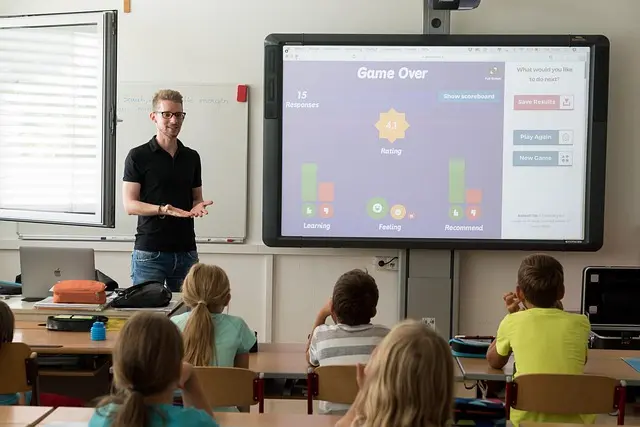
Gamification in education refers to incorporating game mechanics into the learning process to increase student motivation and engagement. This strategy can include elements such as leaderboards, badges, and rewards for completing assignments. For instance, a language teacher might use a game-based app to encourage vocabulary learning through quizzes and challenges. Research by The Journal of Educational Psychology in 2025 indicates that students in gamified classrooms were 30% more likely to report high levels of motivation and enjoyment compared to traditional settings. By making learning fun, educators can effectively capture students' interests.
Harnessing Collaborative Learning
Collaborative learning emphasizes teamwork and peer interaction to enhance learning outcomes. This approach allows students to learn from one another and develop vital social skills. Group projects, discussions, and peer reviews can encourage students to share ideas and gain different perspectives. For example, engaging students in a science experiment where they work in groups to hypothesize and analyze results fosters cooperation and critical thinking. According to a study by Educause Review in 2025, collaborative learning strategies can lead to higher retention rates and improved problem-solving skills.
Fostering a Growth Mindset
Encouraging a growth mindset in students— the belief that abilities and intelligence can be developed— can significantly impact their willingness to tackle challenges. Educators can model this mindset by sharing personal stories of perseverance and resilience. Implementing practices such as goal-setting and self-reflection encourages students to embrace difficulties as opportunities for growth. Research shows that classrooms focusing on growth mindset principles see students more willing to take risks and engage in the learning process. Teachers who foster this environment often observe a positive shift in student attitudes toward learning.
Integrating Social-Emotional Learning
Integrating social-emotional learning (SEL) into the curriculum helps develop students' emotional intelligence, self-awareness, and interpersonal skills. Programs that focus on empathy-building activities and emotional regulation strategies teach students how to navigate their feelings and relationships effectively. For instance, facilitating discussions about emotions during a literature class can help students analyze characters’ motivations and decisions. According to a report by the Collaborative for Academic, Social, and Emotional Learning (CASEL), SEL programs lead to improved academic performance, reduced behavioral issues, and enhance students' social skills.
Feedback and Continuous Improvement
Regular, constructive feedback is essential for student development, prompting them to reflect on their progress and identify areas for improvement. This can be achieved through formative assessments, peer reviews, or teacher-student conferences. It encourages a culture of ongoing learning and helps students understand their strengths and weaknesses. Research indicates that students who receive timely and specific feedback demonstrate higher achievement levels than those who do not. Teachers can incorporate technology to streamline the feedback process using platforms such as Google Forms or Microsoft Teams, enabling seamless communication and analysis.
Creating a Safe and Inclusive Environment
Finally, fostering a safe and inclusive classroom environment is crucial for effective teaching and learning. This involves setting clear expectations, promoting respectful interactions, and being responsive to student needs. Training in cultural competency can help teachers better understand and appreciate the diverse backgrounds of their students. Creating an atmosphere where all students feel valued and heard encourages participation and learning. Statistics from The Education Trust in 2025 show that students in inclusive classrooms are more engaged and report higher levels of academic success.
Glossary
| Term | Definition |
|---|---|
| Active Learning | Engaging students in the learning process through hands-on activities and discussions. |
| Gamification | Incorporating game elements and mechanics into the learning environment to enhance motivation. |
| Social-Emotional Learning | Educational practices that focus on developing emotional intelligence and interpersonal skills. |
🧠 Quick Quiz: What is one benefit of using gamification in teaching?
- A) More homework
- B) Improved student engagement
- C) Longer lectures
Answer: B — Gamification enhances motivation and makes learning enjoyable.
📺 To go further: Watch this video on innovative teaching strategies, a comprehensive overview of effective practices. Search on YouTube: "innovative teaching strategies 2026".
📺 Pour aller plus loin : innovative teaching strategies 2026 sur YouTube