Table of Contents (16 sections)
As educators, we are constantly evolving in our teaching practices. Reflective practices in teaching are essential for personal and professional growth. They help us analyze our methods, understand student needs, and adapt our approaches for better outcomes. This article explores ten reflective practices that you can incorporate into your teaching journey to enhance effectiveness and engagement.
1. Daily Journaling
One of the most effective reflective practices is keeping a daily journal. Journaling allows teachers to document their thoughts on what worked and what did not in the classroom. It encourages self-reflection on teaching strategies and classroom management. Regularly writing down your experiences can reveal patterns and highlight areas for improvement. For example, you might notice that students engage better when lessons include group discussions. By identifying these patterns, you can adapt your future lessons accordingly.
2. Peer Observations
Conducting peer observations is a collaborative approach to reflection. Invite a colleague into your classroom to observe your teaching. Afterward, discuss their observations and provide constructive feedback. Peer observations can shine a light on your strengths and areas for growth that you might not have noticed yourself. A study published in the Journal of Educational Change found that teachers who engage in peer observations experience improved instructional practices and student engagement.

CORE365 Radiant Performance Piqu Polo withReflective Piping blue Small male
shop.simon.com
L.L.Bean Kids' Mountain Fleece Pants Gray Heather 10, Synthetic Fleece L. L.Bean
llbean.com

3. Student Feedback
Gathering feedback from your students is crucial in understanding their learning experiences. Create a simple feedback form where students can express their thoughts on your lessons, their challenges, and what they enjoy about your teaching. This practice not only promotes a positive teacher-student relationship but also guides you in refining your teaching methods. For example, if multiple students mention a particular lesson was unclear, consider revising that lesson for clarity in the future.
4. Reflective Teaching Workshops
Participating in reflective teaching workshops can supply robust strategies and insights. These workshops often include practical exercises, discussions with fellow teachers, and expert guidance that deepen your understanding of reflective practices. Workshops may also introduce new pedagogical theories and best practices, which can further enrich your classroom environment. Adding these insights into your repertoire makes you a more effective educator.
5. Video Recordings
Recording your lessons provides a unique opportunity for self-reflection. By reviewing footage of your teaching, you can observe your body language, tone of voice, and student interactions. This practice can help identify areas of strength and those needing improvement. Consider focusing on one aspect at a time—such as class engagement—over a series of lessons. According to research from the University of Massachusetts, analyzing video recordings can lead to significant improvements in instructional techniques when combined with self-reflection.
6. Goal Setting
Set specific, measurable, achievable, relevant, and time-bound (SMART) goals for your teaching practice. These goals could relate to your professional development or student outcomes. For example, if you aim to improve student engagement, you might form a goal to incorporate more interactive activities within a specific timeframe. Tracking your progress toward these goals promotes accountability and provides a basis for further reflection.


7. Educator Communities
Join educator communities—either online or in-person—to engage in discussions focused on reflective practices. These communities often share experiences, suggest resources, and provide support. Engaging in community discussions helps diversify your perspectives on teaching challenges. It can be an invaluable resource to hear from others about what reflective practices have worked best in various contexts.
8. Action Research
Conducting action research allows you to implement a strategy in your classroom and evaluate its effectiveness. For instance, if you're concerned about student participation, you could introduce a new collaborative project and observe the outcomes. This evidence-based approach helps you make informed decisions about future teaching practices. According to Johns Hopkins University, action research cultivates a sustainable improvement cycle in classroom learning dynamics.
9. Mindfulness Practices
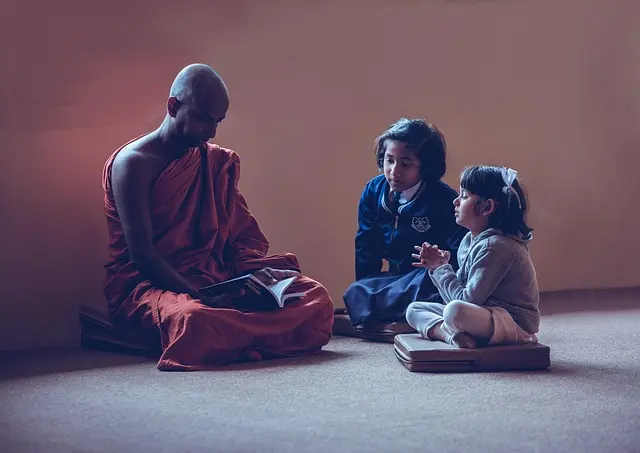
Incorporating mindfulness into your daily routine enhances self-awareness and reduces stress. Mindfulness exercises, such as meditation or deep breathing, can help educators clarify their thoughts and feelings. Creating a peaceful mindset allows for more effective reflection on teaching practices. It promotes clarity in analyzing classroom interactions and developing growth strategies.
10. Professional Development Courses
Investing in professional development courses focused on reflective practices can substantially elevate your teaching methods. These courses can range from workshops to degree programs that delve into pedagogical theories and practical applications. Engaging with experts and peers in these settings fosters deeper understanding and application of reflective practices in your teaching journey.
📺 Resources Video
To explore more on enhancing your teaching through reflection, look up videos on YouTube by searching for “reflective practices in teaching.”
Glossary
| Term | Definition |
|---|---|
| Reflective Practices | Strategies and methods used by educators to evaluate their teaching effectiveness and make adjustments for improvement. |
| Peer Observation | A process where colleagues observe each other's teaching to provide feedback for growth. |
| Mindfulness | Practices aimed at enhancing self-awareness and focus, often through meditation or breathing exercises. |
Checklist before implementing reflective practices
- [ ] Keep a daily journal of teaching experiences.
- [ ] Schedule peer observations with a colleague.
- [ ] Create and distribute student feedback forms.
- [ ] Attend a reflective teaching workshop.
- [ ] Record and review lesson videos.
- [ ] Set SMART goals for teaching.
- [ ] Join an educator community.
- [ ] Conduct action research on teaching strategies.
- [ ] Incorporate mindfulness practices.
- [ ] Enroll in a professional development course.
Conclusion
Incorporating reflective practices into your teaching journey is integral to your professional growth and can significantly improve your effectiveness in the classroom. By employing these ten strategies, you not only enhance your teaching skills but also foster a growth mindset that benefits your students. Start integrating these practices into your routine today!
Recommended Products
- - - ---
📺 Pour aller plus loin : reflective practices in teaching sur YouTube
Recommended products
Selected by our experts
CORE365 Radiant Performance Piqu Polo withReflective Piping blue Small male
shop.simon.com
The CORE365 Radiant Performance Piqu Polo is ideal for educators who value comfort and durability during long teaching hours.
L.L.Bean Kids' Mountain Fleece Pants Gray Heather 10, Synthetic Fleece L. L.Bean
llbean.com
L.L.Bean Kids' Mountain Fleece Pants are perfect for students staying active during breaks or after school activities.
Hoka One HOKA Men's Skyflow Shoes in Black/White, Size 9.5 W
hokaoneone.com
Hoka One shoes enhance daily mobility for teachers, providing comfort and support during busy days on their feet.