Table of Contents (12 sections)
Engaging students effectively throughout your teaching journey is essential for fostering a productive learning environment. When students are engaged, they demonstrate greater enthusiasm, improved retention of information, and a more profound connection to the material. This article explores creative strategies that not only captivate students' attention but also motivate them to be active participants in their learning.
1. Incorporate Interactive Technology
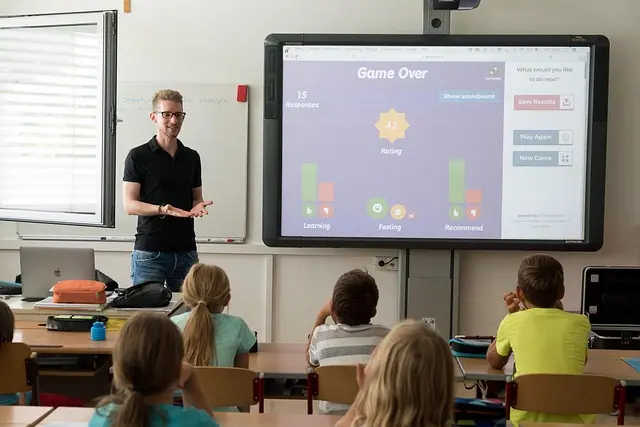
In today's digital age, students are accustomed to technology in every aspect of their lives. By incorporating interactive technology into your teaching, you can significantly boost engagement. Tools such as interactive quizzes, virtual reality experiences, and learning management systems can transform traditional lessons into dynamic and immersive activities. For instance, using platforms like Kahoot allows for real-time quizzes that foster healthy competition and collaboration among students. Research shows that 78% of educators who use interactive technology see higher levels of student motivation and participation.
2. Encourage Student-Centered Learning
Student-centered learning shifts the focus from the teacher to the students, allowing them to take charge of their learning process. This approach encourages students to explore subjects that interest them, leading to more profound engagement. Techniques include project-based learning, where students tackle real-world problems or create tangible projects related to the curriculum. According to a study by the National Education Association, student-centered learning promotes critical thinking and enhances overall educational experiences.


GourmetGiftBaskets.com Easter Basket for College Students Pink
gourmetgiftbaskets.com
3. Foster a Collaborative Environment
Collaboration among students can significantly enhance engagement levels. By grouping students to work on projects, they can share ideas, learn from each other, and develop social skills. Encourage peer-to-peer learning through group discussions or team projects. Implementing problem-based learning can also instill a sense of ownership in students, as they learn to collaborate to find solutions. This method has shown to improve academic performance by up to 26%, according to evidence from academic research.
4. Utilize Gamification Techniques
Gamifying the learning experience makes education more engaging by introducing game elements into the lesson. This could involve creating a point system for completed assignments, leaderboards for top-performing students, or incorporating challenges and rewards. A study from The Association for Educational Communications and Technology revealed that gamification can increase retention rates by 60%. Games evoke excitement, making routine tasks feel like fun challenges.
5. Personalize Learning Experiences
Each student has unique strengths and challenges. Tailoring learning experiences to meet individual needs not only increases engagement but also fosters inclusivity. This can be achieved by using varied instructional methods—like visual aids for visual learners and interactive discussions for auditory learners. Tools such as adaptive learning software can customize lessons based on the student's pace and understanding, facilitating a more personalized approach to education. A report from The Bill & Melinda Gates Foundation emphasizes that personalized learning can enhance student results significantly.
6. Integrate Real-World Applications
Connecting classroom lessons to real-world applications helps students see the relevance of what they are learning. Invite guest speakers from various industries, arrange field trips, or engage students in community projects. These experiences provide context and help students understand the practical implications of their studies. According to a study by The College and Career Readiness and Success Center, 73% of students felt more engaged when learning about real-world applications of their subjects.
7. Emphasize Social-Emotional Learning (SEL)
Incorporating social-emotional learning into your curriculum promotes a supportive classroom environment where students feel safe and valued. Teach skills such as empathy, self-regulation, and relationship building. This approach has been shown to improve student engagement, academic performance, and overall classroom behavior. A meta-analysis published by CASEL reported that SEL can improve student academic performance by up to 11%.
8. Implement Reflection and Feedback
Regular reflection and feedback can help students develop ownership of their learning journey. Encourage students to assess their understanding and skills, and provide constructive feedback to guide their improvement. This could take the form of reflective journals, peer assessments, or informal discussions. According to The Journal of Educational Psychology, students who engage in regular reflection show higher engagement levels and improved learning outcomes.
📺 For further inspiration:
You can explore more strategies on YouTube by searching for "creative ways to engage students in the classroom."
Checklist before Engagement Implementation
- [ ] Integrate interactive technology into lessons
- [ ] Create opportunities for student-centered learning
- [ ] Foster collaboration through group work
- [ ] Implement gamification elements
- [ ] Personalize learning experiences for every student
- [ ] Link lessons to real-world applications
- [ ] Include social-emotional learning practices
- [ ] Set regular reflection and feedback sessions
Glossary
| Term | Definition |
|---|---|
| Student-Centered Learning | An educational approach focused on the individual needs and interests of students. |
| Gamification | The use of game elements in non-game contexts to enhance engagement. |
| Social-Emotional Learning | The process of developing self-awareness, self-control, and interpersonal skills. |
> 🧠 Quick Quiz: Which strategy is most likely to increase student engagement in the classroom?
> - A) Traditional lectures
> - B) Gamification techniques
> - C) Individual assignments
> Answer: B — Gamification techniques make learning more interactive and fun!
📺 Pour aller plus loin : creative ways to engage students in the classroom sur YouTube
Recommended products
Selected by our experts
The Metropolitan Museum of Art How to Read Islamic Carpets
store.metmuseum.org
This engaging publication offers unique insights into cultural perspectives, making it a valuable resource for enriching lesson plans.
GourmetGiftBaskets.com Easter Basket for College Students Pink
gourmetgiftbaskets.com
A thoughtful gift for students, this care package can enhance their experience and provide motivation during study times.