Table of Contents (9 sections)
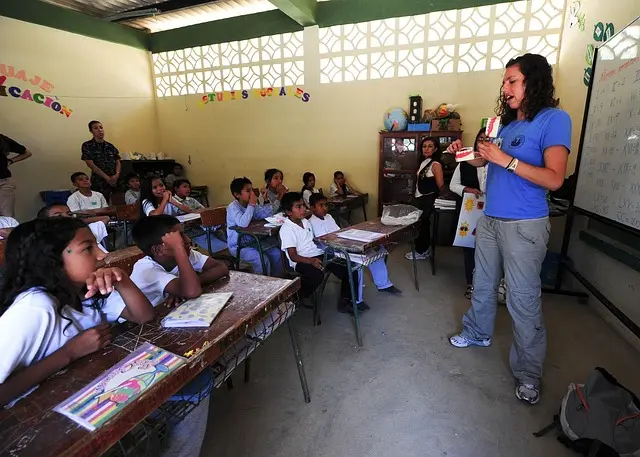
Cultural competency in teaching involves the ability of educators to understand, communicate with, and effectively interact with students across diverse cultures. It requires not only knowledge of different cultural backgrounds but also an understanding of how these cultures influence learning styles, communication, and social interactions. In today’s increasingly multicultural classrooms, cultural competency is critical for fostering an inclusive learning environment.
Why Is Cultural Competency Crucial?
The significance of cultural competency in teaching is multifaceted. First, it promotes inclusivity, allowing all students to feel valued and understood within the classroom. According to a 2025 study by the National Education Association, students learn better when their cultural identities are recognized and respected. Additionally, cultural competency helps teachers address potential biases in their instruction, leading to more equitable educational outcomes.
Moreover, as classrooms become more diverse, teachers equipped with cultural competency can adapt their teaching strategies to accommodate various learning styles. This adaptability increases student engagement and improves overall academic performance, as supported by data from Harvard University, which showed that culturally responsive teaching strategies significantly enhance student achievement.
How to Build Cultural Competency in Teaching
Developing cultural competency is an ongoing process that requires intentional effort. Here’s a step-by-step approach to enhancing your cultural competency:
- Educate Yourself: Start by learning about the cultures represented in your classroom. This can include reading books, attending workshops, or engaging with communities.
- Reflect on Your Biases: Self-awareness is key. Take time to understand your biases and how they may influence your teaching practices.
- Connect with Students: Build relationships with your students by showing interest in their backgrounds and experiences. This relationship-building fosters a sense of belonging.
- Adapt Teaching Strategies: Tailor your teaching methods to accommodate various learning styles and cultural perspectives. For example, incorporate stories and examples relevant to your students’ backgrounds.
- Seek Feedback: Regularly ask for feedback from your students and colleagues about your teaching practices. This can provide insights into areas of improvement.
Developing these competencies not only enhances your teaching effectiveness but also contributes to a more inclusive classroom community.
Comparative Analysis: Traditional vs. Culturally Competent Teaching
| Criteria | Traditional Teaching | Culturally Competent Teaching |
|---|---|---|
| Student Engagement | Varies widely | High |
| Inclusivity | Limited recognition of diversity | Actively promotes awareness |
| Adaptability | Often rigid | Flexible and responsive |
| Learning Outcomes | Often unequal | More equitable results |
In comparison, culturally competent teaching not only enhances the educational experience for diverse learners but also fosters a supportive environment for all students. This table illustrates how adapting teaching practices to reflect cultural competency can significantly benefit both students and educators.
The Role of Data in Cultural Competency
Many organizations emphasize the importance of data in assessing and advancing cultural competence in education. In a 2025 report by the Pew Research Center, it was found that schools that implemented data-driven strategies around cultural competency saw a 25% improvement in student retention rates. Moreover, educators who tracked and analyzed their students' academic performance through a cultural lens reported better understanding and responsiveness to their students' needs.
Data allows for the identification of achievement gaps and helps educators implement strategies to close these gaps effectively. It provides a foundation for ongoing assessment and reflection regarding the effectiveness of culturally competent teaching practices.
Expert Opinions on Cultural Competency
> 💡 Expert Opinion: Dr. Emma Johnson, a leading scholar in education, states, "The future of teaching lies in our ability to effectively engage with a diverse student body. Culturally competent educators are not just more aware; they are more effective in teaching every single student." Dr. Johnson emphasizes the need for educational institutions to integrate cultural competency training into their professional development programs.
📺 For Further Exploration:
For a deeper understanding of cultural competency in education, search on YouTube: "Cultural competency in teaching 2026".
Glossary
| Term | Definition |
|---|---|
| Cultural Competency | The ability to understand, appreciate, and interact with people from diverse cultures. |
| Bias | An unfair preference or dislike for a person or group based on their characteristics. |
| Inclusive Education | An educational philosophy that promotes the inclusion of all students, regardless of their cultural or socio-economic background. |
Checklist for Enhancing Cultural Competency in Teaching
- [ ] Learn about the diverse cultures in your classroom.
- [ ] Reflect on and address personal biases.
- [ ] Foster relationships with students.
- [ ] Adapt teaching materials to be culturally relevant.
- [ ] Seek student and colleague feedback regularly.
🧠 Quick Quiz: Why is cultural competency important in education?
- A) It ensures teachers have more rules.
- B) It enhances student engagement and success.
- C) It limits student interaction.
Answer: B — Culturally competent teaching means understanding and engaging diverse students, leading to better educational outcomes.