Table of Contents (14 sections)
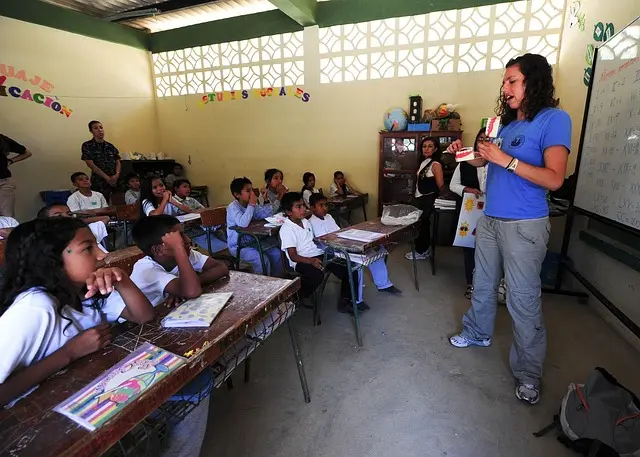
Culturally responsive teaching (CRT) is an educational approach that acknowledges and incorporates students' cultural backgrounds into the learning environment. In today's diverse classrooms, it is essential for educators to understand the importance of CRT in fostering inclusivity and promoting effective learning outcomes. By recognizing and valuing the unique cultural perspectives and experiences of each student, teachers can create a more engaging and supportive environment. This not only addresses the equity gap in education but also enhances student engagement and motivation.
In recent years, studies have shown that culturally responsive teaching can significantly impact student performance. For instance, a study conducted by the American Educational Research Association (AERA) found that students from marginalized groups performed better academically when teachers employed culturally relevant pedagogies. Therefore, integrating CRT into teaching practices is not only a moral imperative but also a necessary step towards closing the achievement gap.
Importance of Cultural Responsiveness in Education
Culturally responsive teaching is crucial for several reasons. First, it allows educators to build stronger relationships with their students. By taking the time to learn about their students' cultural backgrounds, teachers can foster trust, respect, and communication. This connection can lead to increased student participation and engagement in class activities.
Moreover, CRT acknowledges the rich diversity of cultural perspectives and experiences that students bring to the classroom. When students see their cultures represented in the curriculum, they are more likely to feel valued and included. This sense of belonging is essential for students to thrive academically and socially.
In addition, culturally responsive teaching practices can address the preconceived notions and biases that may exist among educators. By embracing diversity and understanding the impact of their own cultural identities, teachers can better support their students' needs and create a more equitable learning environment.
How to Implement Culturally Responsive Teaching
Implementing culturally responsive teaching in the classroom can be a transformative experience for both educators and students. Here are some practical steps to help you get started:
Step 1: Learn About Your Students
Understanding your students' cultural backgrounds is the foundation of CRT. Take the time to get to know each student, including their interests, values, and experiences. Engaging students in conversations about their cultures can provide valuable insights and foster a more inclusive environment.
Step 2: Reflect on Your Own Cultural Identity
Educators should also consider their own cultural identities and biases. Reflecting on how your background influences your teaching practices can help you identify areas for improvement. Knowing your biases allows you to create a more inclusive space for your students.
Step 3: Incorporate Diverse Perspectives into the Curriculum
Diversify lesson plans by including materials that reflect various cultures and perspectives. Use literature, media, and examples that represent the backgrounds of your students. This approach not only enriches learning experiences but also validates students' identities.
Step 4: Foster a Supportive Environment
Create classroom norms that promote respect and inclusivity. Encourage open discussions about cultural differences and ensure that all students feel safe to express their thoughts and experiences.
By following these steps, educators can make significant strides toward effective culturally responsive teaching.
Comparative Overview of Culturally Responsive vs. Traditional Teaching
| Criterion | Culturally Responsive Teaching | Traditional Teaching | Verdict |
|---|---|---|---|
| Student Engagement | High | Variable | CRT fosters higher engagement |
| Curriculum Diversity | Inclusive | Narrow | CRT provides a broader perspective |
| Relationship Building | Strong | Limited | CRT enhances teacher-student bonds |
| Academic Performance | Improved for marginalized | Dependent on various factors | CRT is proven to enhance outcomes |
Data-Driven Insights on Culturally Responsive Teaching
According to the National Center for Education Statistics, as of 2025, minority students made up nearly 50% of public school enrollment in the United States. This demographic shift necessitates teaching approaches that resonate with diverse cultural backgrounds. Studies have shown that schools implementing CRT have seen improvements in student attendance and graduation rates, especially among underrepresented groups.
Furthermore, research published by the Journal of Educational Psychology indicates that culturally responsive teaching strategies lead to increased student motivation and participation in the classroom, ultimately resulting in higher academic achievement. This data underscores the need for educational institutions to prioritize culturally responsive methodologies.
Expert Opinion on Culturally Responsive Teaching
> 💡 Expert Insight: Dr. Linda Darling-Hammond, a leading education researcher, emphasizes that “culturally responsive teaching is not just a trend; it's a vital part of effective education that acknowledges the diverse backgrounds of students, ultimately leading to meaningful learning experiences.” Her findings reinforce the idea that cultural responsiveness is essential for fostering equitable education.
📺 Resource Video
> 📺 For further insights: Understanding Culturally Responsive Teaching, a comprehensive overview of teaching practices that support students from diverse backgrounds. Search on YouTube: culturally responsive teaching practices.
Glossary
| Term | Definition |
|---|---|
| Culturally Responsive Teaching | An approach that incorporates students' cultural backgrounds into the teaching process to enhance engagement and academic success. |
| Equity in Education | Ensuring all students have access to the same opportunities, resources, and supports regardless of their background. |
| Inclusive Curriculum | A curriculum that recognizes and values the contributions and perspectives of diverse cultural backgrounds. |
Checklist for Implementing Culturally Responsive Teaching
- [ ] Understand your students' cultural backgrounds
- [ ] Reflect on your cultural identity and biases
- [ ] Include diverse materials in your lessons
- [ ] Create a supportive learning environment
- [ ] Foster open discussions about cultural differences
- [ ] Assess the effectiveness of your teaching strategies
🧠 Quick Quiz
> What is a primary goal of culturally responsive teaching?
> - A) Ensuring all students follow the same curriculum.
> - B) Valuing students' cultural backgrounds.
> - C) Limiting discussions to mainstream ideas.
> Answer: B — Culturally responsive teaching aims to value and incorporate students' cultural backgrounds into the learning process.
By embracing culturally responsive teaching practices, educators can create more equitable learning environments that truly empower all students.
##### Call to Action: If you're passionate about creating inclusive classroom spaces, start integrating culturally responsive practices today and share your journey with colleagues to inspire change!