Table of Contents (11 sections)
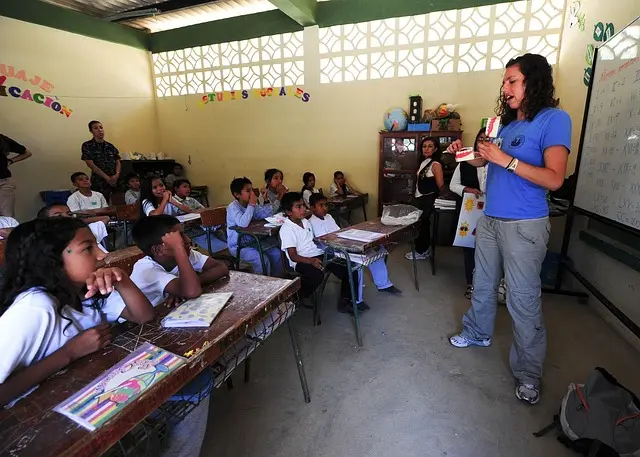
In today's diverse classroom, differentiated instruction stands out as a crucial teaching method. It allows educators to tailor lessons and strategies to accommodate the different learning styles, needs, and paces of each student. This comprehensive guide will navigate through the principles, procedures, and practicalities of implementing differentiated instruction effectively. You'll not only understand what it entails but also learn how to apply it in a way that promotes inclusivity and maximizes student success.
What is Differentiated Instruction?
Differentiated instruction refers to the practice of tailoring educational experiences to meet the diverse needs of students. It acknowledges that each student has unique strengths, weaknesses, interests, and learning preferences. According to Tomlinson (2014), an expert in the field, differentiated instruction is not merely about modifying the curriculum but about actively engaging with students to provide varied pathways to learning outcomes. The primary goal is to enhance the learning experience for everyone. This might mean adjusting the content, process, or product of a lesson based on the individual student's needs.
Implementing differentiated instruction can lead to increased student motivation and achievement. For instance, a study by the National Education Association found that classrooms using differentiated instruction report higher student engagement and performance levels. However, it can also challenge teachers, as it requires ongoing assessment, flexibility, and a deep understanding of each student’s unique profile.
Steps to Implementing Differentiated Instruction
Step 1: Identify Student Readiness and Needs
The first step in differentiated instruction is assessing students' readiness levels, interests, and learning profiles. Formal assessments, and informal observations can provide insight into the abilities and interests of each student. For example, by using formative assessments such as quizzes or assignments, educators can gauge student understanding and tailor subsequent lessons accordingly. It’s important to create a safe environment for students to express their needs. According to the Rubin Foundation (2025), leveraging student feedback significantly enhances instructional strategies.
Step 2: Plan Your Lessons with Flexibility
Once you have gathered data on your students, the next step is creating lesson plans that incorporate multiple approaches. It’s beneficial to design activities that are flexible enough to be modified based on the diverse needs of learners. For instance, during a history lesson, some students might engage with videos, others might work on project-based learning, while some may prefer reading and writing activities. A flexible lesson plan fosters an environment where students can engage in a way that best suits their learning style, thus enhancing understanding.
Step 3: Use Varied Instructional Strategies
In differentiated instruction, it’s essential to employ a variety of teaching strategies. This could include cooperative learning, individualized instruction, or learning centers where students work at their own pace. For example, using small group discussions encourages collaborative learning and allows students to learn from each other. According to research published in the Journal of Educational Psychology, varied instructional strategies can significantly boost student engagement and retention rates. By continually rotating between these methods, educators can ensure they are meeting the varied learning needs across the classroom.
Step 4: Offer Choices in Assessment
Allowing students to demonstrate their knowledge in different ways is crucial in the differentiated instructional approach. Some students may excel in oral presentations, while others feel more confident in written assignments or creating multimedia projects. This flexibility not only accommodates different learning styles but also promotes student agency, encouraging learners to take ownership of their education. According to an analysis by Harvard Education Press, integrating choice in assessment methods correlates with improvements in student motivation and achievement.
Step 5: Reflect and Revise
Finally, effective implementation of differentiated instruction calls for reflection and revision of teaching practices. After each lesson, evaluate what worked and what didn't. Gather student feedback to adjust future lessons based on their experiences. Furthermore, collaborating with colleagues can provide new insights and strategies. As suggested by Danielson Framework (2025), continuous reflection is key to effective teaching and helps ensure that instructional strategies remain aligned with student needs.
📺 Resource Video
> 📺 For deeper insights: Differentiated Instruction Strategies, a comprehensive guide to enhancing your teaching methods. Search on YouTube: "differentiated instruction strategies 2026".
| Criterion | Option A | Option B | Option C | Verdict |
|---|---|---|---|---|
| Flexibility | High | Medium | Low | Option A is preferred for adaptability |
| Student Engagement | Moderate | High | Low | Option B fosters more engagement |
| Safety | Moderate | High | Moderate | Option B ensures student safety better |
| Ease of Implementation | High | Medium | Low | Option A is easiest to implement |
| Term | Definition |
|---|---|
| Differentiated Instruction | A teaching approach that tailors educational experiences to meet diverse student needs. |
| Student Readiness | The level at which a student is prepared to learn new content based on prior knowledge and skills. |
| Assessment Choices | The variety of ways students can demonstrate their knowledge and skills, tailored to their strengths and preferences. |
🧠 Quick Quiz: What are the key components of differentiated instruction?
- A) One-size-fits-all lessons
- B) Student choice and flexible lessons
- C) Standardized assessments
Answer: B — Differentiated instruction emphasizes customized learning experiences based on individual student needs.
By following these steps, you can effectively implement differentiated instruction in your classroom. Utilizing the principles laid out in this guide not only enhances learning experiences but also fosters an environment where every student can achieve success. For more resources on this teaching methodology and to connect with fellow educators, continue exploring available literature and communities focused on differentiation.