Table of Contents (11 sections)
- Understanding the Challenges of New Teachers
- Creating a Mentorship Program
- Providing Professional Development Resources
- Encouraging Collaborative Teaching
- Setting Clear Expectations and Goals
- Implementing Emotional and Social Support Systems
- Fostering Reflective Practices
- Utilizing Feedback Effectively
- Checklist for Supporting New Teachers
Understanding the Challenges of New Teachers
New teachers often face a variety of challenges that can impact their effectiveness and confidence in the classroom. According to a 2025 survey conducted by National Education Association, nearly 50% of new teachers report feeling overwhelmed during their first year. Common challenges include classroom management, curriculum planning, and coping with the emotional demands of teaching. Understanding these obstacles is crucial in providing effective guidance. Establishing an environment that acknowledges these challenges encourages new teachers to seek help and communicate openly about their struggles. Moreover, involving experienced educators in discussions can provide insight into navigating these initial hurdles, ensuring a smoother transition into the teaching profession. Recognizing difficulties can set the stage for developing targeted support systems that foster resilience and adaptability in new educators.
Creating a Mentorship Program
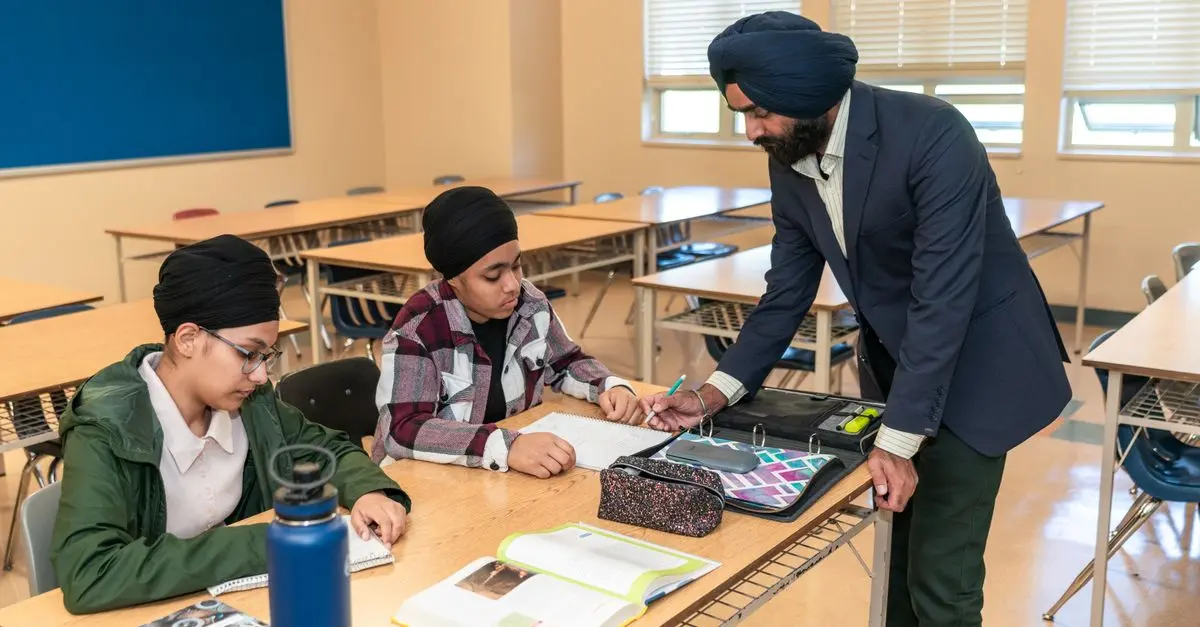
One of the most effective strategies for guiding new teachers is establishing a comprehensive mentorship program. Such programs pair novice educators with experienced mentors who can provide support and guidance. A structured approach ensures that each mentor-mentee relationship is constructive and focused on professional growth. For instance, the Teach For America program has successfully implemented mentoring where daily interactions are prioritized, helping new teachers face immediate classroom challenges through feedback and observation. Mentors can facilitate bi-weekly meetings to discuss teaching strategies, lesson planning, and classroom management techniques, allowing for real-time problem-solving. In turn, this relationship fosters a sense of community and may significantly reduce turnover rates among new teachers. According to a 2025 report from The Learning Policy Institute, schools with strong mentorship programs see up to a 30% decrease in early career teacher attrition. By investing in mentorship, educational institutions can create a supportive environment that enhances teacher effectiveness and job satisfaction.
Providing Professional Development Resources
Access to continual professional development resources is vital for new teachers. Providing a range of workshops, webinars, and training aligned with individual growth areas keeps teachers engaged and equipped with the latest educational strategies. Schools can partner with organizations, such as ASCD, to offer professional learning communities that focus on collaborative teaching methods and curriculum innovations. For example, workshops on differentiated instruction or technology integration can empower educators to adapt their teaching styles to diverse learners. Regular access to resources allows teachers to enhance their skills progressively and adapt to changing educational contexts, ensuring they remain effective and inspired. Investing in ongoing development can lead to improved student outcomes while cultivating a culture of lifelong learning among educators.
Encouraging Collaborative Teaching
Collaborative teaching models can enhance new teachers’ experiences by fostering teamwork and innovation in the classroom. By encouraging pair teaching or team teaching scenarios, new teachers can learn from their colleagues while actively engaging students in a more interactive environment. Collaboration not only provides a support network but also allows for the sharing of ideas, resources, and strategies that can improve overall teaching effectiveness. Research shows that schools employing collaborative teaching report higher levels of job satisfaction and professional growth among educators. Implementing regular co-planning sessions can strengthen partnerships, ensuring lesson plans are well-structured and responsive to students’ needs. This collaborative approach fosters a sense of camaraderie, which is beneficial in building confidence among new teachers amidst the often-daunting classroom dynamics.
Setting Clear Expectations and Goals
Establishing clear expectations and goals for new teachers is crucial in guiding their teaching journeys. School leaders must communicate curriculum standards, teaching responsibilities, and professional conduct expectations thoroughly. Creating a clear roadmap helps new educators understand what is expected of them and how their roles contribute to larger school goals. Setting specific, measurable, achievable, relevant, and time-bound (SMART) goals encourages accountability and personal growth. For example, a new teacher might aim to improve classroom management by implementing two management strategies per month and reflecting on their effectiveness. This process supports professional accountability, allowing new teachers to feel a sense of accomplishment as they meet their instructional goals.
Implementing Emotional and Social Support Systems
The emotional and social well-being of new teachers cannot be overlooked. Successful educational environments prioritize the mental health of their staff through support networks like peer groups and counselor access. Regular check-ins by school leaders or dedicated wellness programs can provide essential emotional support. According to a 2026 study conducted by Educational Psychology Review, new teachers who reported high levels of emotional support in the workplace demonstrated more resilience and significantly better classroom performance. Establishing wellness initiatives and promoting a healthy work-life balance ensures that new teachers remain motivated and passionate about their roles.
Fostering Reflective Practices
Encouraging reflective teaching practices is essential for new teachers to grow and improve their instructional methods. Reflection can occur through peer discussions, journaling, or guided feedback sessions. Schools that build a culture of reflection can help educators regularly assess their performance, identifying areas for improvement and success. This practice not only nurtures individual growth but also fosters collaboration among staff as they share insights and strategies. For instance, reflective practice sessions can be held monthly, where teachers assess what worked in their lessons and what could be improved, fostering a proactive growth mindset that benefits both teachers and students.
Utilizing Feedback Effectively
Providing constructive feedback is essential in the development of new teachers. Feedback should be specific, actionable, and timely, helping educators understand their strengths and areas needing development. Utilizing tools like peer observations or student feedback can empower new teachers to see their impact on student learning. Implementing regular feedback cycles, perhaps after every teaching unit, can create a habit of continuous improvement. Academic research indicates that teachers who actively seek feedback and adjust their practices accordingly are often more successful in elevating student learning outcomes. Establishing a feedback-rich environment turns evaluations into tools for professional development rather than assessments to be feared.
Checklist for Supporting New Teachers
- [ ] Establish a mentorship program with experienced educators.
- [ ] Provide professional development opportunities tailored to new teachers’ needs.
- [ ] Implement collaborative teaching practices to enhance teamwork.
- [ ] Set clear, specific goals for new teachers.
- [ ] Establish emotional and social support systems.
- [ ] Foster reflective practices among staff members.
- [ ] Encourage and structure effective feedback mechanisms.
Glossary
| Terme | Définition |
|---|---|
| Mentorship Program | A structured partnership between experienced and novice educators to foster professional development and support. |
| Collaborative Teaching | An instructional approach where two or more educators work together to plan, teach, and assess students. |
| Reflective Practice | A method of self-evaluation where educators analyze their teaching experiences to improve their instructional strategies. |
> 🧠 Quiz rapide : What is a key benefit of mentorship programs for new teachers?
> - A) Increased classroom management difficulties
> - B) Reduced teacher attrition rates
> - C) Enhanced student disengagement
> Réponse : B — Mentorship programs are shown to significantly decrease teacher turnover and increase job satisfaction.
📺 Pour aller plus loin : Explore strategies for effective teacher mentorship, a comprehensive analysis of best practices in teacher support. Recherchez sur YouTube : "effective mentorship programs for teachers 2026".
📺 Pour aller plus loin : effective mentorship programs for teachers 2026 sur YouTube