Table of Contents (15 sections)
What is a Supportive Community in Teaching?
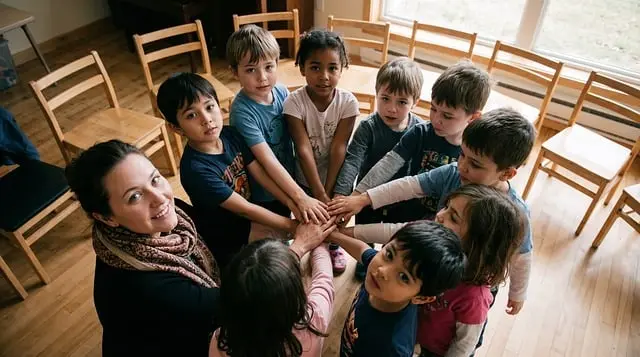
Building a supportive community in teaching is about creating a network of educators and peers that fosters encouragement, collaboration, and shared learning. In essence, it means establishing relationships that can help you navigate both the triumphs and challenges of your teaching journey. According to data from the National Education Association, educators with strong peer support networks report higher job satisfaction, lower burnout rates, and improved student outcomes. Furthermore, this community can provide resources, share innovative teaching strategies, and serve as a sounding board for ideas and challenges.
Creating a supportive environment can lead to more effective teaching practices. This community can encompass fellow teachers, mentors, administrators, and even parents. The diversity of perspectives in your community broadens your approach and enriches your professional development.
Step-by-Step Guide to Building Your Community
Building a supportive community isn’t a one-time effort; it requires consistent nurturing and engagement. Here are practical steps to guide you:
1. Identify Your Goals
Before embarking on this journey, it’s crucial to identify your specific goals. Are you looking to share resources, collaborate on lesson plans, or simply seek emotional support? Understanding your objectives will help you formulate the community structure that best suits your needs. For instance, you might want to enhance your teaching methods by tapping into others' experiences with certain curricula.
2. Choose the Right Platform
The platform you select for your community can significantly impact its effectiveness. Consider digital platforms like social media groups, dedicated forums, or even email newsletters. Each platform has its pros and cons; for example, while social media allows for quick communication, forums can facilitate deeper discussions over time. Selecting the right medium aligns with your comfort level and the nature of the interactions you desire.
3. Reach Out and Establish Connection
Once you have your goals and platform, reach out to potential community members. This can include colleagues from your school, friends in the teaching profession, or members of educational organizations you belong to. Introduce your vision and invite them to join your community. Create an engaging welcome message that outlines what they can expect and the value they can gain from being part of this supportive network.
4. Foster a Welcoming Environment
As your community begins to take shape, fostering a welcoming and inclusive environment is essential. Encourage open communication and respect for diverse opinions. This can include having regular check-ins, sharing personal experiences, and celebrating small wins. A welcoming atmosphere not only invites new members but also retains existing ones.
5. Organize Regular Activities
Regular activities can keep your community engaged and motivated. Consider hosting book discussions, webinars, or sharing teaching resources at scheduled intervals. Involvement can lead to deeper relationships among members, bolstering a supportive network. Research published by the American Educational Research Association indicates that collaborative activities among educators can lead to enhancements in instructional practices and student outcomes.
6. Evaluate and Adapt
Finally, consistently evaluate the effectiveness of your community. Solicit feedback to understand what works and what needs improvement. Adapt your approach based on this feedback to ensure your community remains beneficial to its members. Regularly assessing your community will strengthen its foundation and increase its longevity.

Dyonery - Extra Firm Mattress Full Size 8 Inch, Premier High Density Foam Mattresses in Box, Supportive Bed-Mattress
bestbuy.com
![Feelingirl Seamless Supportive Long Sleeve Tummy Control Bodysuit [BOGO] - Rust Red / 2XL Rust Red 2XL female](https://r.kelkoo.com/resize.php?country=us&merchantId=100579174&categoryId=108801&trackingId=96965890&width=300&height=300&image=https%3A%2F%2Fcdn.shopify.com%2Fs%2Ffiles%2F1%2F0089%2F1846%2F6641%2Ffiles%2FFeelingirl_Seamless_Long_Sleeve_Tummy_Control_Thong_Bodysuit_RD8_3.webp%3Fv%3D1761817735&sign=JbGFCvNN2jLESJEXgT7zUp7zvr_maQPEmA4Ftn42CoY-)
Feelingirl Seamless Supportive Long Sleeve Tummy Control Bodysuit [BOGO] - Rust Red / 2XL Rust Red 2XL female
feelingirl.com
Dyonery - Extra Firm Mattress Twin XL Size 8 Inch, Premier High Density Foam Mattresses in Box, Supportive Bed-Mattress
bestbuy.com
The Importance of Networking and Collaboration
Networking is a core component of building a supportive community. Studies show that approximately 70% of jobs and opportunities in education arise from networking. By connecting with other educators, you uncover potential collaborations that can enhance your teaching practices. Collaborating with peers leads to the exchange of resources and strategies that might be more effective than what you initially practiced.
Networking also leads to professional development opportunities such as workshops, conferences, and webinars. Engaging with a community enables one to remain updated on the latest trends and practices in education. Moreover, it fosters a culture of sharing, where educators open up about their journeys and motivate one another.
| Networking Benefits | Community Impact | Teaching Improvement | Student Outcomes |
|---|---|---|---|
| Greater resource sharing | Enhanced peer collaboration | Innovative teaching methods | Improved engagement |
| Emotional support | Diverse perspectives | Critical thinking skills | Higher test scores |
| Professional growth | Sustained motivation | Curriculum enhancement | Increased retention |
| Life-long connections | Community involvement | Shared best practices | Holistic development |
Checklist to Build a Strong Community
- [ ] Identify your goals
- [ ] Choose the right platform
- [ ] Connect with potential members
- [ ] Foster an inclusive environment
- [ ] Organize regular activities
- [ ] Evaluate and adapt based on feedback
> 💡 Expert Tip: I've seen communities thrive when members celebrate small successes together. Share those teaching moments that excite you!
📺 Resource Video
> 📺 For further insights: Building Community in Education, a comprehensive analysis of effective networking strategies. Search on YouTube: building supportive community teaching.
Glossary
| Term | Definition |
|---|---|
| Community Building | The process of creating and strengthening relationships among individuals in an educational environment. |
| Collaboration | Working together with others to achieve shared goals, particularly in educational settings. |
| Networking | Establishing and maintaining mutually beneficial relationships among peers and professionals in education. |
Dyonery - Extra Firm Mattress Queen Size 10 Inch, Premier High Density Foam Mattresses in Box, Supportive Bed-Mattress
bestbuy.com
Dyonery - Extra Firm Mattress King Size 10 Inch, Premier High Density Foam Mattresses in Box, Supportive Bed-Mattress
bestbuy.com
Dyonery - Extra Firm Mattress Twin Size 8 Inch, Premier High Density Foam Mattresses in Box, Supportive Bed-Mattress
bestbuy.com
Quiz rapide
> 🧠 Quick Quiz: What is the primary benefit of building a supportive community in teaching?
> - A) Increased workload
> - B) Emotional and resource support
> - C) Less interaction with peers
> Answer: B — Emotional and resource support is vital for educators.
📺 Pour aller plus loin : building supportive community teaching sur YouTube
Recommended products
Selected by our experts
Dyonery - Extra Firm Mattress Twin Size 6 Inch, Premier High Density Foam Mattresses in Box, Supportive Bed-Mattress
bestbuy.com
Feelingirl Seamless Supportive Long Sleeve Tummy Control Bodysuit [BOGO] - Rust Red / 3XL Rust Red 3XL female
feelingirl.com

Miles Kimball Propet® Ultima Women's Supportive Walking Sneaker - RTV-Grey-9W - Size 9W - Grey
mileskimball.com
Miles Kimball Propet® Ultima Women's Supportive Walking Sneaker - RTV-Grey-9M - Size 9M - Grey
mileskimball.com

Miles Kimball Propet® Ultima Strap Women's Supportive Walking Sneaker -RTV-Black-6W - Size 6W - Black
mileskimball.com

Miles Kimball Propet® Ultima FX Women's Supportive Walking Sneaker - RTV-Grey-9W - Size 9W - Grey
mileskimball.com