Table of Contents (17 sections)
Reflective teaching practice is pivotal in the journey of educators looking to enhance their effectiveness. By critically evaluating their teaching methods, strategies, and interactions, teachers can foster continuous improvement in their professional lives. This practice is not just a trend but a necessity in an evolving educational landscape, where adaptability and self-awareness can lead to transformative teaching experiences.
1. What is Reflective Teaching Practice?
Reflective teaching practice involves the ongoing process of self-evaluation and introspection regarding one’s teaching methodologies. It allows educators to critically assess their effectiveness and understand their impact on student learning outcomes. This concept draws from educational theorists like John Dewey, who emphasized the importance of reflection in learning and growth. Research indicates that reflective practices can significantly enhance teaching quality, leading to better student engagement and achievement. According to studies published in education journals, teachers who engage in reflective practices demonstrate higher levels of instructional effectiveness, improving student performance by as much as 15%.
2. Why is Reflective Practice Important?
Reflective practice is essential for several reasons:
- It enhances self-awareness, enabling educators to recognize their strengths and areas for improvement.
- It fosters a culture of continuous improvement, promoting better teaching strategies over time.
- Effective reflective practices can lead to higher teacher retention rates, as educators feel more fulfilled and competent in their roles. In fact, a recent survey showed that teachers who engage in reflective practices are 30% more likely to remain in their positions. Ultimately, reflective practice is foundational in cultivating a responsive and adaptable teaching environment.

3. Steps to Develop a Reflective Teaching Practice
To embark on the journey of reflective teaching practice, consider the following actionable steps:
Step 1: Set Clear Goals
Establish specific, measurable, achievable, relevant, and time-bound (SMART) goals related to your teaching practice. For instance, you might aim to improve student participation by implementing new engagement strategies within the next semester. This clarity will guide your reflective process.
Step 2: Regularly Gather Feedback
Incorporate multiple feedback mechanisms, such as student surveys, peer observations, or self-assessments. Aim to collect feedback on a monthly basis to ensure continuous improvement. Utilize tools like Google Forms or educational platforms that facilitate feedback capture, allowing for a comprehensive understanding of your impact in the classroom.
Step 3: Maintain a Reflective Journal
Create a dedicated space for reflection. Your journal can include daily entries about lessons taught, challenges faced, and what strategies worked or didn't work. This ongoing dialogue with your practice can uncover insights and spur growth. Example entries could describe classroom dynamics after attempting a new teaching method or reflections on how student engagement changed based on your instructional choices.
Step 4: Analyze Your Reflections
Consistently review your journal entries and feedback to identify patterns. What strategies led to increased student engagement? Were there teaching methods that didn’t resonate? Analyzing this data will allow you to make informed decisions about your instructional practices. Regular analysis, ideally every term, can yield significant improvements over time.
Step 5: Collaborate with Peers
Form reflective practice groups with fellow educators. Collaborate on sharing insights from your reflections. This could be established as a monthly discussion where everyone shares one success and one area for growth; peer insights can often illuminate blind spots that you might not have considered.
Step 6: Professional Development
Engage in workshops, online courses, or educational conferences focusing on reflective practices. According to UFC-Que Choisir, educators who participate in professional development related to reflective practice show increased effectiveness in their teaching methods. These opportunities not only provide new strategies but also inspire a culture of lifelong learning among educators.
Reflective Practice Comparison Table
| Critère | Approche Traditionnelle | Approche Réflexive | Verdict |
|---|---|---|---|
| Feedback | Occasionnel | Régulier | Meilleur engagement |
| Journal Réflexif | Rare | Quotidien | Insights continus |
| Analyse des Données | Superficielle | Approfondie | Amélioration gradée |
| Collaboration | Individuelle | Mutualisée | Support accru |
4. Common Pitfalls to Avoid
Avoid common pitfalls such as setting vague or unattainable goals. Ensure your objectives are clear. Additionally, do not neglect the importance of cultivating a supportive environment for reflection; without openness, meaningful discussions may falter. Lastly, do not treat reflection as a one-time activity; it is an ongoing process that requires commitment and patience.
5. Conclusion
Creating a reflective teaching practice is an iterative process that significantly enhances teaching effectiveness. By actively engaging in reflection, educators can adapt to the needs of their students, identify effective teaching strategies, and foster a growth mindset. As you reflect, remember that the ultimate goal is not perfection but continuous improvement.
📺 Resource Video
For further exploration of reflective teaching practices, search on YouTube for: "how to enhance reflective teaching practices 2026".
Glossary
| Terme | Définition |
|---|---|
| Pratique Réflexive | Processus d'évaluation critique des méthodes d'enseignement et de leur impact. |
| Feedback | Informations reçues sur la performance pour guider l'amélioration. |
| Journal Réflexif | Document de réflexion utilisé pour enregistrer des pensées, sentiments et résultats. |
Checklist before implementing a Reflective Practice
- [ ] Define SMART goals.
- [ ] Set up a feedback collection system.
- [ ] Start a reflective journal.
- [ ] Analyze reflections monthly.
- [ ] Schedule peer collaborations regularly.
- [ ] Attend relevant professional development workshops.
💡 Avis d'expert : L'engagement dans une pratique réflexive est une stratégie critique qui peut transformer votre approche en tant qu'éducateur. Non seulement cela améliore les performances des élèves, mais cela renforce également la satisfaction personnelle et professionnelle.
Recommended Products
- Wella Light Luminous Reflective Oil: This product is perfect for maintaining a professional appearance while teaching, promoting confidence.
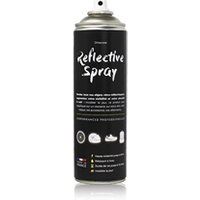
- Reflective Spray: A great tool for enhancing visibility and safety during various educational activities.
- Reflective USB Cable: Ideal for teachers who often use technology in their lessons, ensuring devices remain charged and ready.
📺 Pour aller plus loin : how to enhance reflective teaching practices 2026 sur YouTube
Recommended products
Selected by our experts
Wella Light Luminous Reflective Oil 30ml
DocMorris FR (ex DoctiPharma FR)
This product is perfect for maintaining a professional appearance while teaching, promoting confidence.
REFLECTIVE SPRAY - SPRAY REFLECHISSANT
Darty FR
A great tool for enhancing visibility and safety during various educational activities.