Table of Contents (10 sections)
Creating an engaging classroom environment is crucial for fostering a love of learning and encouraging student participation. This article will guide educators through a step-by-step process to develop a vibrant and stimulating classroom atmosphere. By implementing effective strategies, teachers can create a space where students feel valued, motivated, and eager to engage with the learning material.
Step 1: Establish Clear Expectations and Routines
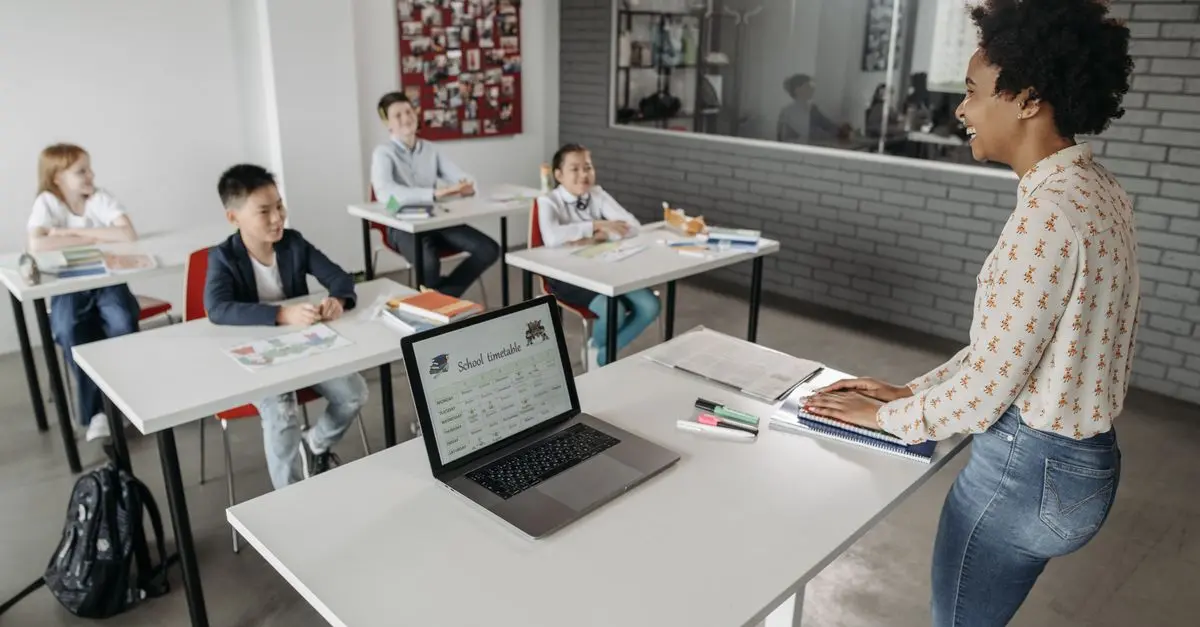
Setting clear expectations is the foundation of any effective classroom environment. Begin by establishing classroom rules that are collaboratively created with your students. When learners are involved in the rule-making process, they are more likely to feel a sense of ownership and accountability. Develop a routine that encompasses daily activities, transitions, and responsibilities. For instance, using visual schedules can help students understand the flow of the day. Additionally, according to research from the American Psychological Association, structured environments significantly enhance student engagement. By providing predictability, students can focus more on learning rather than behavioral management. Remember to review and discuss these expectations regularly, making adjustments as needed.
Step 2: Foster a Sense of Community
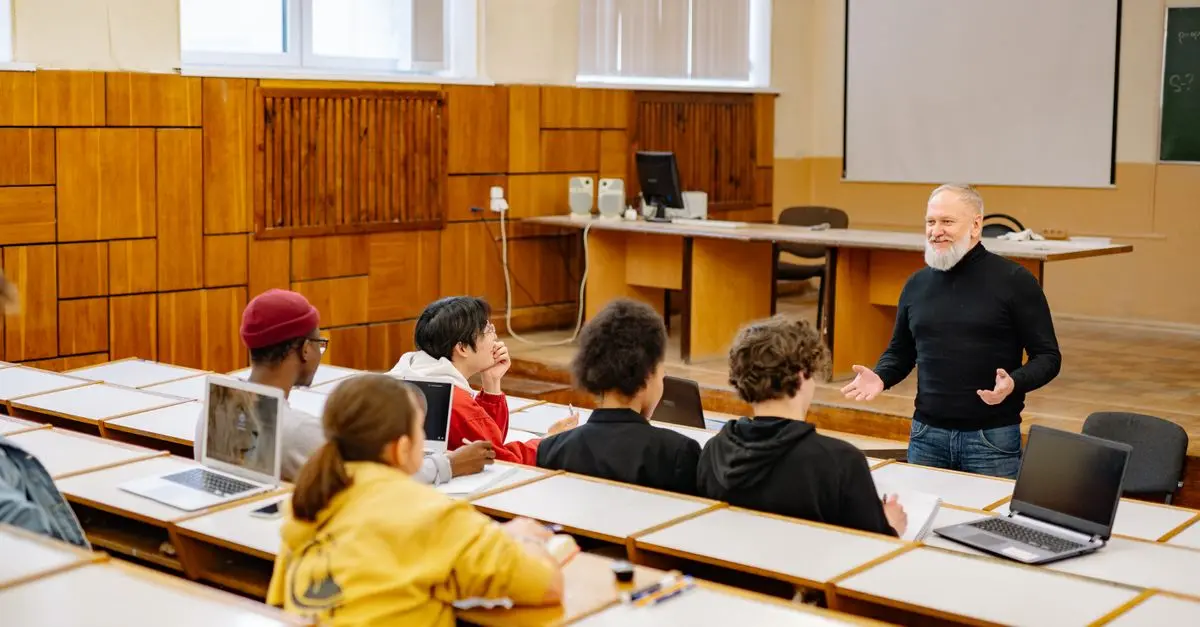
In an engaging classroom environment, students should feel a sense of belonging and safety. Develop activities that promote teamwork and cooperation, such as group projects or peer mentoring. Choose icebreakers and community-building exercises at the beginning of the school year to help students get to know one another. Consider organizing class meetings where students can voice their thoughts and concerns, further strengthening that community feel. According to a study by the National Education Association, classrooms that implement social-emotional learning practices show improved academic performance and peer relationships. Engage students in discussions about empathy and respect, creating a culture where differences are celebrated. This supportive environment encourages students to take risks and participate fully.
Step 3: Incorporate Interactive Learning Experiences
Interactive learning experiences are pivotal in maintaining an engaging classroom environment. For instance, integrating technology can enhance lesson presentations. Using digital tools allows students to interact with the material in novel ways. Incorporate project-based learning, where students explore real-world problems and work collaboratively to solve them. According to the Institute for Learning Technology, students engaged in project-based learning show higher levels of motivation and retention. Regularly use hands-on activities to cater to different learning styles. For example, incorporate experiments, role-playing, or guest speakers into your lesson plans. The key is to regularly vary your teaching methods to maintain student interest and engagement.
Step 4: Use Positive Reinforcement
Utilizing positive reinforcement is essential for creating an encouraging classroom environment. Recognize student achievements through praise, rewards, or certificate systems. When students know their efforts are acknowledged, they are more likely to remain engaged and strive for success. Establish a points system or reward chart where students can earn incentives for demonstrating positive behavior or completing tasks. According to findings from the National Center on Quality Teaching and Learning, consistent positive reinforcement not only boosts student motivation but also nurtures self-esteem. It's crucial to ensure that the reinforcement methods are tailored to the preferences and needs of the students, making it more effective.
Step 5: Create a Stimulating Physical Environment
A well-arranged classroom layout stimulates learning. Focus on the physical environment by ensuring it is organized, inviting, and conducive to various activities. Use flexible seating arrangements that allow for group work, individual study, and discussions, catering to the varying preferences of students. Incorporate vibrant colors, posters, and interactive bulletin boards that reflect classroom values and key subjects being learned. According to the Association for Supervision and Curriculum Development, learning environments that are aesthetically pleasing can enhance brain function and creativity. Additionally, ensure students have access to necessary resources, such as books, technology, and art supplies, to foster independence and creativity in their learning process.
Step 6: Encourage Student Input and Feedback
To fully engage students, it is essential to involve them in the decision-making process regarding their learning. Regularly solicit feedback on teaching methods, classroom activities, and content. Create opportunities for students to voice their preferences and suggestions. This practice not only empowers students but also demonstrates that their opinions matter. Conduct surveys or informal discussions at the end of each unit to gather insights on what they enjoyed or areas for improvement. Involving students in this manner promotes a culture of respect and collaboration. According to research from Stanford University, when students feel their voices are heard, their engagement levels significantly increase.
Checklist for Creating an Engaging Classroom Environment
- [ ] Establish clear classroom expectations and routines
- [ ] Foster a sense of community through team-building activities
- [ ] Incorporate interactive learning experiences and technology
- [ ] Implement positive reinforcement strategies
- [ ] Create a stimulating and organized physical classroom environment
- [ ] Encourage student input and feedback regularly
📺 Resource Video
> 📺 For further insights: How to Create an Engaging Classroom Environment, a detailed look at best practices for fostering a positive classroom ambiance. Search on YouTube: engaging classroom strategies 2026.


Shiseido Ultimate Sun Protector Lotion & Urban Environment Bundle ($78 Value)
shiseido.com

Glossary
| Term | Definition |
|---|---|
| Engagement | The level of interest and participation a student has in their learning process. |
| Collaborative Learning | A teaching method where students work together to achieve learning goals. |
| Positive Reinforcement | A technique used to encourage desired behaviors by providing rewards or incentives. |
> 🧠 Quick Quiz: What is the primary benefit of incorporating interactive learning?
> - A) Increased student boredom
> - B) Enhanced engagement and retention
> - C) Fewer classroom activities
> Answer: B — Interactive learning enhances engagement and retains student interest.
By implementing these strategies, educators can cultivate an engaging classroom environment that promotes continuous learning. Let's make our classrooms vibrant places of discovery, collaboration, and growth.
📺 Pour aller plus loin : engaging classroom strategies 2026 sur YouTube
Recommended products
Selected by our experts
Shiseido Urban Environment & Cleansing Foam Bundle ($139 Value)
shiseido.com
This bundle offers essential skincare products to keep educators feeling fresh and confident, enhancing their classroom presence.
Shiseido Ultimate Sun Protector Lotion & Urban Environment Bundle ($78 Value)
shiseido.com
A comprehensive sunscreen set ensures that educators and students can enjoy outdoor learning experiences while staying protected.
Shiseido Urban Environment Oil-Free Sunscreen SPF 42 - 50 ml
shiseido.com
Daily sunscreen is crucial for educators who spend time outdoors, helping maintain skin health during instructional activities.