Table of Contents (9 sections)
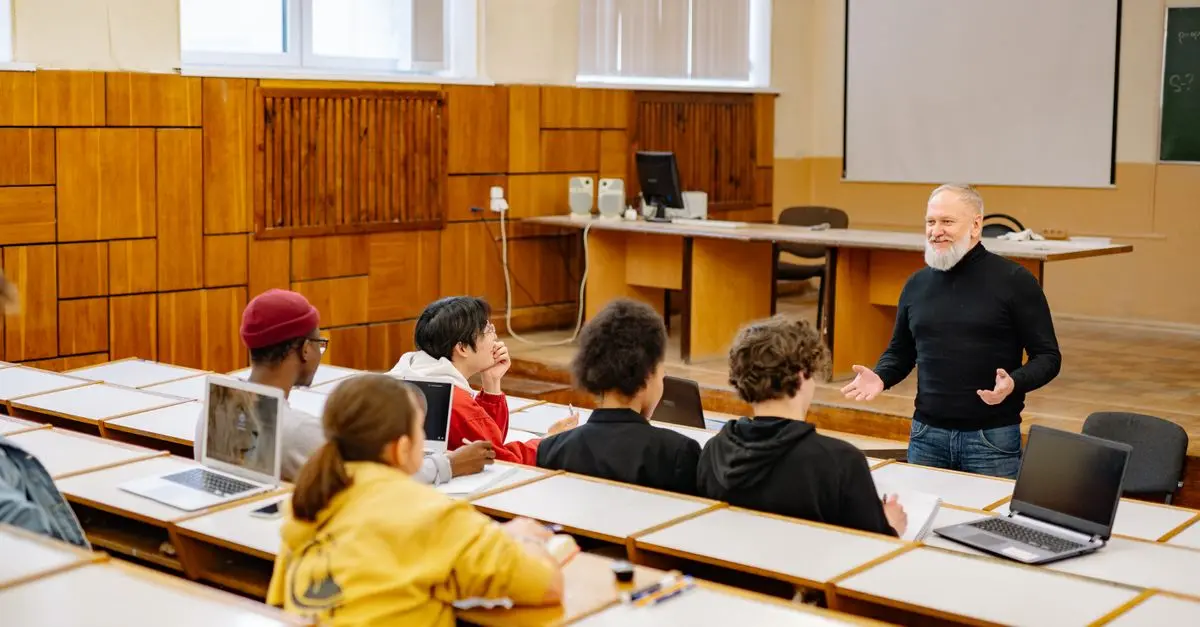
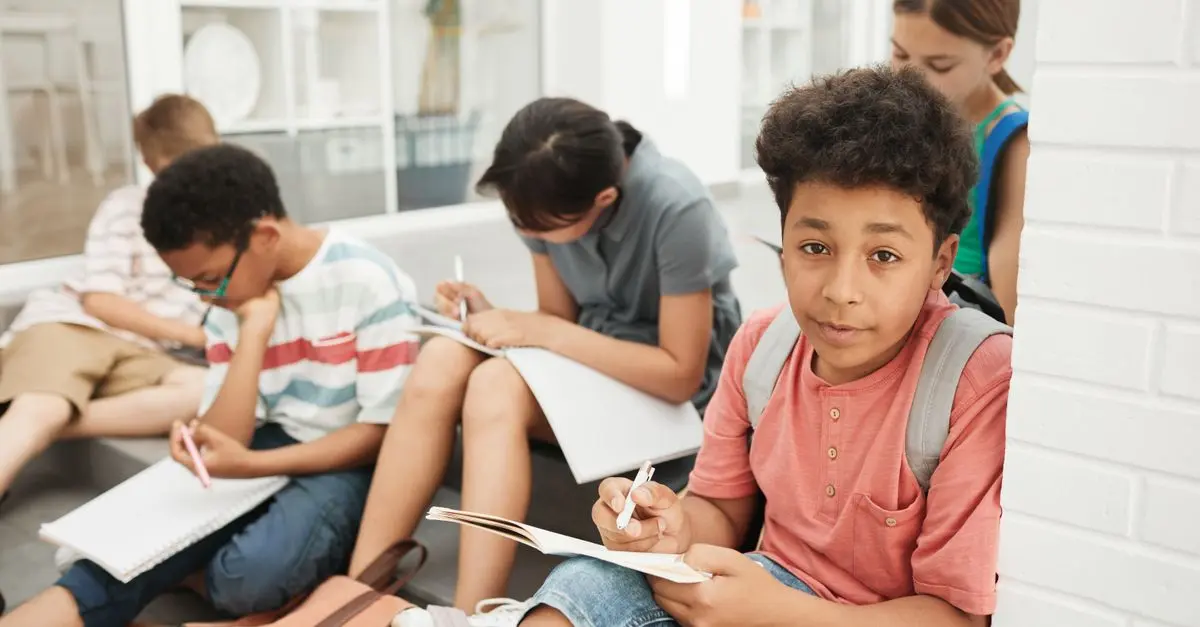
Creating an inclusive classroom environment is vital in today’s diverse educational landscape. Every student deserves to feel respected, valued, and supported. This guide provides a step-by-step approach to ensure inclusivity in your teaching space, allowing for a richer learning experience. Inclusivity promotes equality, enhances student engagement, and aids in the development of social skills. Moreover, an inclusive environment encourages cooperation between students from varied backgrounds and abilities.
Step 1: Understand Your Students' Needs
The first step in fostering an inclusive classroom environment is to gain a thorough understanding of your students’ needs. Consider conducting surveys or one-on-one discussions to learn about their backgrounds, interests, and any obstacles they face. It’s crucial to recognize that students come from different cultural, linguistic, and socioeconomic backgrounds. According to a study by the National Center for Learning Disabilities, over 13% of students have some form of learning disability, making it essential to tailor your teaching strategies to accommodate diverse learners. By understanding their unique challenges, you can implement targeted strategies that foster inclusivity. For example, if a student struggles with language barriers, consider providing materials in multiple languages to aid comprehension. This step emphasizes the importance of personal connection and demonstrates that you care about their individual experiences.
Step 2: Create a Welcoming Physical Environment
A welcoming physical environment plays a significant role in establishing an inclusive classroom environment. Arrange your classroom to promote accessibility for all students, including those with disabilities. Ensure pathways are clear, furniture is adjustable, and materials are easily reachable. Incorporate diverse decorations that reflect various cultures and backgrounds, fostering a sense of belonging among students. A study conducted by University of Southern California highlights that students are more likely to engage in learning when they feel psychologically safe in their physical environment. For instance, using bright colors, welcoming signage, and inclusive imagery can make a significant difference in how students perceive their space. Furthermore, consider creating designated areas for group work, relaxation, and independent study, catering to different student needs and learning styles.
Step 3: Implement Differentiated Instruction
Differentiated instruction is a key strategy in creating an inclusive classroom environment. This approach involves tailoring your teaching methods and resources to meet the diverse needs of your students. Group students by interests, learning styles, or academic levels, and vary your teaching techniques accordingly. For example, while some students may benefit from visual aids, others might understand better through hands-on activities or verbal instructions. Research by the Center for Applied Special Technology (CAST) indicates that differentiated instruction increases engagement and helps all students succeed. Additionally, be flexible in your assessments, providing different methods for students to demonstrate their knowledge. Allowing options like written reports, presentations, or creative projects can cater to varied strengths and promote a deeper understanding of the material.
Step 4: Foster a Supportive Community
Building a supportive community is essential for an inclusive classroom environment. Encourage collaboration and peer support through team-building activities and group projects. Promote respect and understanding by facilitating open discussions about diversity and inclusion among students. Consider establishing a classroom norm thatvalues all voices, ensuring everyone has the opportunity to share their thoughts. According to the American Psychological Association, a supportive classroom community enhances student motivation and academic performance. Incorporating social-emotional learning (SEL) activities can also improve students’ interpersonal skills, further strengthening their bonds. For example, role-playing scenarios can help students practice empathy and conflict resolution in a controlled environment.
Step 5: Monitor and Reflect on Inclusivity Practices
Finally, regularly monitor and reflect on your inclusivity practices. Gather feedback from your students to understand their experiences in the classroom and identify potential areas for improvement. Create a system for ongoing assessment of your teaching effectiveness regarding inclusivity. This could involve student surveys, peer observations, or self-reflection sessions. Research from the Robert Wood Johnson Foundation emphasizes the importance of continuous improvement in teaching methods. Use this feedback to adapt your strategies and try new approaches that might better serve your diverse learners. Engage in professional development workshops focused on inclusive education to stay informed about new trends and best practices.
💡 Expert Tip: Develop a personal journey of inclusivity through continuous learning. Educators are crucial in shaping an inclusive environment; your ongoing commitment to understanding and growth is vital for your students’ success.
Checklist for Creating an Inclusive Classroom Environment
- [ ] Assess the diverse needs of your students.
- [ ] Arrange a physically accessible classroom.
- [ ] Implement differentiated instruction methods.
- [ ] Foster a supportive and collaborative community.
- [ ] Regularly monitor and reflect on your inclusivity practices.
Glossary
| Term | Definition |
|---|---|
| Differentiated Instruction | Teaching method that tailors learning experiences to meet individual student needs. |
| Social-Emotional Learning (SEL) | Process through which students learn to manage emotions, set goals, and establish positive relationships. |
| Inclusive Education | Educational approach aimed at including all students, regardless of their diverse backgrounds or abilities. |
📺 For further exploration: An In-Depth Look at Inclusive Classrooms, a comprehensive analysis of fostering inclusivity in education. Search on YouTube: "creating an inclusive classroom environment 2026".
🧠 Quick Quiz: What is a key benefit of an inclusive classroom?
- A) Higher stress levels
- B) Improved student engagement
- C) Less collaboration
Answer: B — An inclusive classroom facilitates better engagement among students.
📺 Pour aller plus loin : creating an inclusive classroom environment 2026 sur YouTube
Recommended products
Selected by our experts

Sanctuary Clothing Every Which Way Jacket Parachute Green Inclusive Collection / 3X
sanctuaryclothing.com
This jacket from our inclusive collection is perfect for creating a welcoming and comfortable classroom space for all body types.

Sanctuary Clothing Make A Statement Top Autumn Rust Inclusive Collection / 1X
sanctuaryclothing.com
This oil-free sunscreen will benefit teachers and students alike, ensuring that everyone feels confident and cared for during outdoor activities.

Shiseido Ultimate Sun Protector Lotion & Urban Environment Bundle ($78 Value)
shiseido.com
This sunscreen bundle offers a comprehensive skincare solution for teachers promoting self-care while embodying inclusivity in their classroom.