Table of Contents (10 sections)
In today's educational landscape, fostering emotional intelligence in teaching has become an essential skill for educators. Understanding and managing emotions in the classroom not only enhances the learning experience but also plays a crucial role in developing positive relationships among students. This step-by-step guide aims to equip teachers with practical strategies to cultivate emotional intelligence within their classrooms.
1. Understand the Basics of Emotional Intelligence
Before you can foster emotional intelligence in your classroom, it’s important to understand what emotional intelligence is. Emotional intelligence comprises the ability to recognize, understand, and manage our own emotions, as well as those of others. According to Daniel Goleman, who popularized emotional intelligence, it encompasses five key components: self-awareness, self-regulation, motivation, empathy, and social skills.
Establishing a solid foundation in emotional intelligence can significantly affect the classroom environment. A positive classroom atmosphere encourages students to express their feelings openly, which in turn enhances their learning experience. For example, a study by UCLA found that classrooms emphasizing emotional intelligence saw a 20% improvement in overall student performance.
2. Foster a Safe Emotional Environment
Creating a safe emotional environment is crucial when cultivating emotional intelligence. This means establishing a classroom culture where students feel safe expressing their emotions without the fear of judgment. Start by setting clear rules about respect and empathy.
Activities such as creating a “Feelings Wall” where students can express their emotions can help foster openness. Furthermore, conduct regular check-ins, allowing each student to share how they are feeling. This will help normalize emotional discussions and make students more comfortable with expressing their feelings.
3. Incorporate Emotional Learning Activities
Integrate emotional learning activities into your lesson plans to reinforce the concept of emotional intelligence. For instance, use role-playing exercises where students can practice empathy by putting themselves in someone else’s shoes. A relevant example could be discussing scenarios related to conflict resolution and having students role-play different approaches.
Additionally, consider incorporating mindfulness exercises—like guided meditation or deep-breathing techniques—into your daily routine. Such practices enhance self-regulation and self-awareness, two crucial components of emotional intelligence.
4. Model Emotional Intelligence Behaviors
As a teacher, modeling emotional intelligence behaviors can significantly influence your classroom. When students observe you handling your emotions effectively, it teaches them how to do the same. Share personal experiences related to your feelings when appropriate and exhibit strategies for managing stress or disappointment.
For example, when faced with a problem, describe how you plan to solve it, including the emotional aspects involved. This not only demonstrates emotional intelligence but also encourages students to articulate and manage their emotions effectively. Furthermore, showcasing vulnerability can create a deeper connection between you and your students.
5. Encourage Peer Recognition and Support
Encouraging peer recognition and support can foster a stronger sense of community within your classroom. Implement activities like peer appreciation days where students take turns recognizing their classmates’ strengths and achievements. This practice nurtures empathy and appreciation among students.
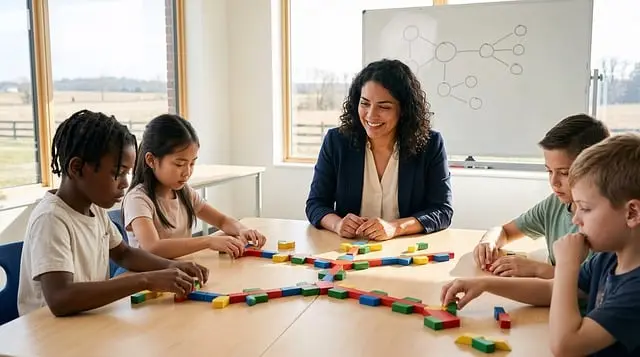
Additionally, consider group projects that require collaboration. These activities promote social skills and teach students how to work through conflicts, enhancing their social awareness and emotional regulation. Positive peer interactions can profoundly impact students’ emotional well-being and confidence.
6. Assess and Reflect on Emotional Growth
Evaluating students’ emotional growth is essential to gauge the effectiveness of your emotional intelligence curriculum. Use tools such as surveys or journals where students can reflect on their emotions and their responses to various situations. This not only allows you to measure progress but also encourages self-assessment among students.
Additionally, use self-reflection as a teaching tool. At the end of each term, hold discussions where students share what they've learned about their emotions and the emotions of others. This reflection promotes a culture of continuous improvement and encourages students to take responsibility for their emotional development.
Checklist for Cultivating Emotional Intelligence
- [ ] Understand the fundamentals of emotional intelligence.
- [ ] Create a safe emotional environment in your classroom.
- [ ] Incorporate emotional learning activities regularly.
- [ ] Model emotional intelligence behaviors.
- [ ] Encourage peer recognition and support.
- [ ] Assess and reflect on emotional growth periodically.
Glossary
| Terme | Définition |
|---|---|
| Emotional Intelligence | The ability to recognize, understand, and manage our own emotions and those of others. |
| Self-Regulation | The ability to control your emotions and behaviors in different situations. |
| Empathy | The ability to understand and share the feelings of others. |
> 💡 Expert Opinion: Fostering emotional intelligence in the classroom not only prepares students for academic success but also equips them with vital life skills. According to Goleman, this can lead to improved relationships, better decision-making, and greater resilience.
🧠 Quick Quiz: What is a key component of emotional intelligence?
- A) Knowledge
- B) Empathy
- C) Focus
Answer: B — Empathy is essential for understanding and connecting with others.
By implementing these strategies into your classroom, you can significantly enhance the emotional intelligence of your students, which will foster an enriching educational environment that supports both academic success and social well-being.

📺 Resources Video
To dive deeper into this topic, search on YouTube for: "The Importance of Emotional Intelligence in Education".
📺 Pour aller plus loin : The Importance of Emotional Intelligence in Education sur YouTube
Recommended products
Selected by our experts
Thames & Kosmos, LLC Artificial Intelligence Robot STEM Kit
sharperimage.com
This Artificial Intelligence Robot STEM Kit can help engage students in problem-solving activities, enhancing their emotional and social skills during collaborative projects.