Table of Contents (13 sections)
Creating inclusive classrooms is no longer just a trend in education; it’s an essential practice that ensures all students feel valued and supported in their learning environments. With growing diversity in classrooms, educators must adopt strategies that cater to various needs, backgrounds, and abilities. Below is a list of actionable strategies to help foster inclusivity in classroom environments. Each method is illustrated with examples and insights to provide a comprehensive guide for educators.
1. Understanding Diversity in Classrooms
An inclusive classroom starts with recognizing the diverse backgrounds and abilities of the students. Diversity is multifaceted, encompassing not only cultural differences but also varied learning styles, social-emotional needs, and physical abilities. Strategies such as workshops for teachers on cultural competency and inclusivity can greatly enhance understanding. For instance, according to a survey by the National Education Association, teachers who engage in professional development on diversity are 50% more effective in addressing the needs of diverse learners. Recognizing and respecting this diversity lays the groundwork for creating a supportive classroom atmosphere.
2. Implementing Universal Design for Learning (UDL)
Universal Design for Learning (UDL) is a framework that guides educators in offering multiple means of engagement, representation, and action/expression. By adopting this approach, educators can create lessons that accommodate various learning preferences. For example, a teacher might provide options for students to demonstrate understanding through verbal presentations, visual projects, or written reports. This flexibility not only empowers students but also encourages self-directed learning, as they can choose how they engage with the material. Consequently, UDL practices can significantly improve student engagement and academic success in an inclusive classroom.
3. Create Collaborative Learning Opportunities
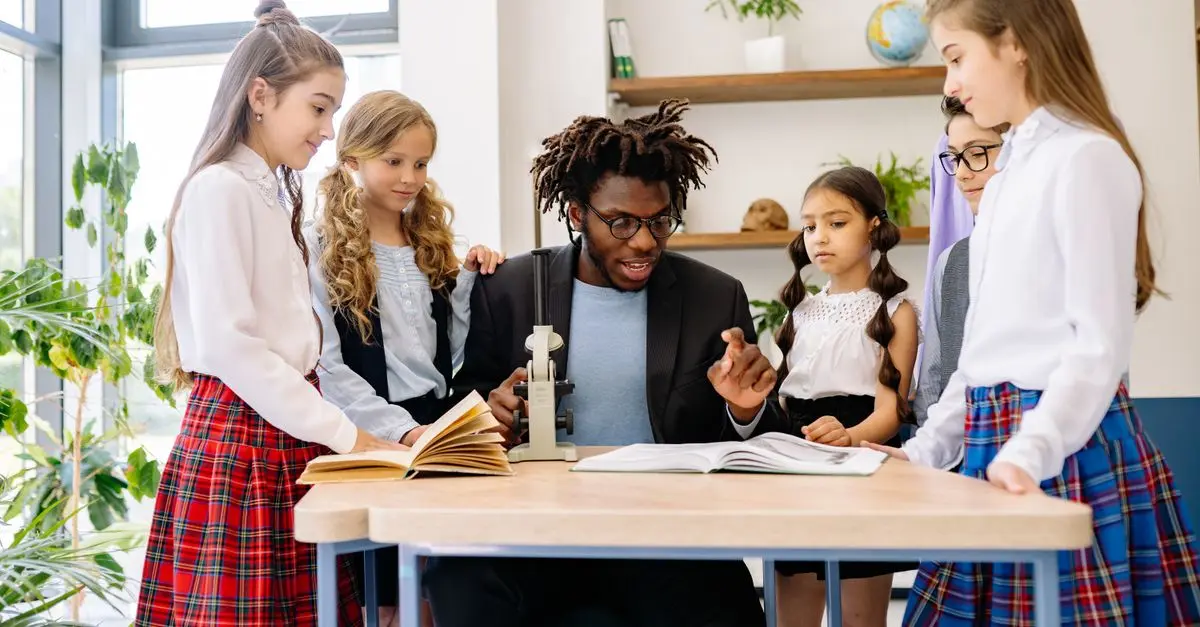
Collaboration among students can foster inclusivity by promoting peer interactions. Group projects and cooperative learning environments encourage students to share their diverse strengths and perspectives. For instance, a science project could be structured so that each student takes on a role that matches their strengths—whether they're good at research, creative design, or presentation. Implementing structured group roles and responsibilities ensures that all students contribute and feel valued, cultivating a sense of community and collaboration that is vital for an inclusive classroom.
4. Developing Culturally Relevant Curriculum
Integrating students' cultural backgrounds into the curriculum can enhance engagement and foster inclusivity. Culturally relevant pedagogy not only acknowledges students' cultural identities but also enriches the learning experience by making lessons relatable. This could include choosing literature from diverse authors or integrating historical events from various cultural perspectives. Research from Harvard University indicates that students who find their culture represented in the curriculum perform better academically and demonstrate increased motivation. Tailoring lessons to reflect students' lives can bridge the gap between home and school, fostering a more supportive educational experience.
5. Utilize Assistive Technology
Assistive technology can level the playing field for students with disabilities, supporting an inclusive classroom environment. Tools such as text-to-speech software, audiobooks, and speech recognition programs can cater to various learning needs. For instance, a student with dyslexia may benefit from audiobooks, while another student with motor skills challenges may utilize speech recognition software to complete writing assignments. Studies show that the effective integration of assistive technology can improve student independence and academic performance, resulting in a more inclusive atmosphere.
6. Promote Social-Emotional Learning (SEL)
Implementing social-emotional learning (SEL) strategies supports students' emotional health and fosters a safe environment. SEL can help students build empathy, manage emotions, and develop healthy relationships. Practical techniques include daily check-ins, mindfulness exercises, and structured peer feedback sessions. According to research by The Collaborative for Academic, Social, and Emotional Learning (CASEL), implementing SEL programs can significantly enhance students' academic success and their capacity to thrive in inclusive settings. By prioritizing SEL, educators can cultivate a nurturing and inclusive classroom climate.
7. Regularly Assess and Adapt Instruction
Regular assessment of student progress and needs is crucial for maintaining an inclusive classroom environment. Utilizing formative assessments, teachers can gauge students' understanding and adjust their instructional strategies accordingly. For example, if a significant number of students struggle with a specific concept, the teacher can modify their approach or provide additional resources. Frequent check-ins and feedback foster a responsive educational environment that adapts to the diverse needs of all students, ensuring that no one falls behind.
8. Create a Safe and Welcoming Physical Environment
The physical arrangement of the classroom can impact inclusivity. A well-organized space that allows for easy movement, visual access, and collaborative workstations can enhance student participation. Incorporating flexible seating options, such as stand-up desks or bean bags, can also accommodate different learning preferences. Additionally, having accessible materials and clear pathways can benefit students with physical disabilities. A welcoming space communicates to students that their diverse needs are acknowledged and respected, setting the stage for inclusive interaction.
💡 Expert Opinion: Creating inclusive classrooms is not just about integrating strategies; it's about continuously reflecting on practices and seeking feedback from students. This ongoing dialogue ensures that every child's voice is heard and valued.
📺 Resource Video
> 📺 For further exploration: Creating Inclusive Classrooms, a comprehensive guide to integrating inclusive practices. Search on YouTube: creating inclusive classrooms strategies 2026.
Checklist for Creating Inclusive Classrooms
- [ ] Understand student diversity.
- [ ] Implement UDL strategies.
- [ ] Foster collaborative learning.
- [ ] Develop culturally relevant curriculum.
- [ ] Utilize assistive technology.
- [ ] Promote social-emotional learning.
- [ ] Regularly assess and adapt instruction.
- [ ] Create a welcoming physical environment.
Glossary
| Term | Definition |
|---|---|
| Inclusive Classroom | An educational setting that accommodates diverse learners by addressing their varied needs, backgrounds, and abilities. |
| Universal Design for Learning (UDL) | An educational framework designed to optimize teaching by providing multiple means of engagement, representation, and action/expression. |
| Culturally Relevant Pedagogy | An approach to teaching that utilizes students' cultural references to make learning more effective and meaningful. |
Quiz Quick
> 🧠 Quick Quiz: What is the primary goal of creating an inclusive classroom?
> - A) Standardized testing preparation
> - B) Catering to diverse student needs
> - C) Maintaining classroom discipline
> Answer: B — Inclusivity focuses on acknowledging and supporting the diverse needs of all students.
In conclusion, fostering inclusivity in classrooms not only enhances the educational experience for every student but also prepares them for a diverse world post-education. By actively implementing these strategies, educators can ensure that learning environments are supportive and equitable for all.