Table of Contents (14 sections)
In the world of education, the journey of teaching is an ongoing adventure that evolves with time. The landscape is ever-changing, and so are the methods educators use to engage their students. To truly enhance your teaching journey, it's essential to adopt innovative techniques that not only capture attention but also foster a deeper understanding of the material. In this article, we will explore various creative strategies designed to enrich your teaching experience and engage students more effectively.
1. Flipped Classroom
The concept of the flipped classroom turns traditional teaching on its head by allowing students to learn content at home and complete assignments in class. This method promotes active learning, as students engage with the material and participate in discussions and group work when they are together with the teacher. Implementing this style requires preparation; educators need to develop or curate high-quality video content that students can view at their own pace. By doing this, classroom time can be converted into interactive learning sessions, significantly enhancing the teaching journey.
2. Gamification
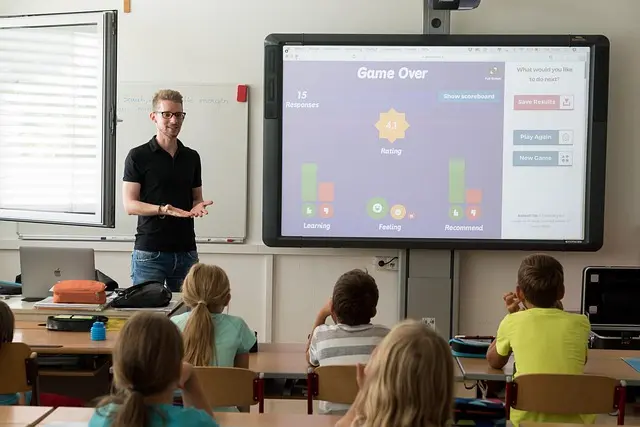
Gamification involves incorporating game elements into the learning process to boost student engagement and motivation. Techniques such as point scoring, leaderboards, and virtual badges can transform learning into a fun and competitive experience. Research indicates that gamification can increase student motivation by up to 50%. Educators who implement these techniques can enhance their teaching journeys by creating a captivating environment. For example, using platforms like Kahoot to quiz students in real-time can turn revision sessions into engaging competitions, leading to a more dynamic classroom atmosphere.
3. Collaborative Learning
Encouraging collaborative learning is another innovative technique that enriches the teaching journey. By promoting teamwork among students, they can learn from each other’s strengths and perspectives. Methods like group projects, peer reviews, and problem-solving activities help develop essential skills and deepen understanding. For instance, assigning group tasks that reflect real-world challenges can stimulate students to apply their knowledge and work together to find solutions, enhancing not just their learning but also their interpersonal skills.
4. Project-Based Learning
Project-based learning(PBL) shifts the focus from traditional instruction to hands-on projects that require critical thinking and real-world application. Instructors can foster higher engagement by allowing students to explore topics in depth through research and practical applications. For example, a project on environmental issues can lead students to develop sustainable solutions for their communities. According to research from the Buck Institute for Education, PBL increases student retention of content by 90%, showcasing its effectiveness in teaching methodologies.
5. Technology Integration
Integrating technology into the classroom can enhance both teaching and learning experiences. Utilizing tools such as educational apps, virtual reality, and online resources can provide students with interactive and immersive experiences. Tools like Google Classroom facilitate efficient communication and resource sharing between educators and students. A recent study indicated that incorporating technology in education increases student engagement by 70%, indicating its importance in the modern teaching journey.
6. Inclusion of Diverse Learning Styles
Every student has a unique learning style, whether it's visual, auditory, or kinesthetic. By incorporating multiple intelligence theory and catering to different learning styles, educators can create a more inclusive classroom environment. Techniques such as visual aids for visual learners or role-playing for kinesthetic learners can significantly enhance student understanding and retention. By recognizing the strengths and styles of all students, teachers can embark on a more rewarding and effective teaching journey.
7. Inquiry-Based Learning
Inquiry-based learning encourages students to ask questions and seek answers through exploration and research. This method stimulates curiosity and fosters a deeper understanding of subjects. Teachers can guide discussions by posing compelling questions that drive students to conduct investigations and present their findings. Research shows that inquiry-based techniques can enhance critical thinking skills by up to 30%, making it a valuable approach in any educator’s toolkit.
8. Formative Assessment
Incorporating formative assessment techniques allows educators to gauge student understanding throughout a lesson or unit, rather than just at the end. Techniques like exit tickets or one-on-one check-ins can provide real-time feedback that teachers can use to adjust their instruction. A study by the National Education Association found that ongoing assessments improve student performance significantly. By continuously evaluating comprehension, educators can adapt their teaching strategies, enriching their own teaching journeys while meeting students' needs.
📺 Resource Video
> 📺 For those looking to enhance their teaching strategies with innovative techniques, check out the video, "Innovative Teaching Strategies for 2026." Search on YouTube: "2026 innovative teaching techniques".
Comparison of Techniques
| Technique | Pros | Cons | Verdict |
|---|---|---|---|
| Flipped Classroom | Promotes active learning | May require more prep time | Highly effective |
| Gamification | Increases engagement | Can be time-consuming | Excellent for motivation |
| Collaborative Learning | Builds teamwork skills | Group dynamics may vary | Great for social learning |
| Project-Based Learning | Real-world applications | May need guidance | Ideal for deep understanding |
| Technology Integration | Engages students | Tech issues can arise | Necessary in modern learning |
| Diverse Learning Styles | Meets individual needs | More planning required | Essential for inclusion |
| Inquiry-Based Learning | Cultivates critical thinking | May lead to off-topic discussions | Excellent for exploration |
| Formative Assessment | Provides real-time feedback | Some may resist adaptation | Highly valuable for growth |
Glossary
| Term | Definition |
|---|---|
| Flipped Classroom | A teaching model where students learn material at home and apply it in class. |
| Gamification | The application of game elements to non-game contexts, particularly in learning. |
| Project-Based Learning | An instructional method where students gain knowledge by working on a project. |
Checklist Before Implementing New Techniques
- [ ] Assess student needs and learning styles.
- [ ] Research innovative techniques suitable for your subject.
- [ ] Create a plan for integrating chosen methods.
- [ ] Gather necessary materials or technology.
- [ ] Prepare to evaluate student feedback and outcomes.
Conclusion
Implementing innovative techniques is essential for enhancing your teaching journey. By incorporating methods such as flipped classrooms, gamification, and project-based learning, educators can significantly engage their students and foster a rich learning environment. Exploring and adapting these techniques not only benefits students but also enriches the teaching experience for educators. So take the leap—explore these innovative methods, and elevate your teaching journey today!
🧠 Quick Quiz: What is a benefit of gamification in education?
- A) Lower student engagement
- B) Increases motivation
- C) Reduces learning outcomes
Answer: B — Gamification has been shown to increase student motivation significantly.
📺 Pour aller plus loin : 2026 innovative teaching techniques sur YouTube