Table of Contents (12 sections)
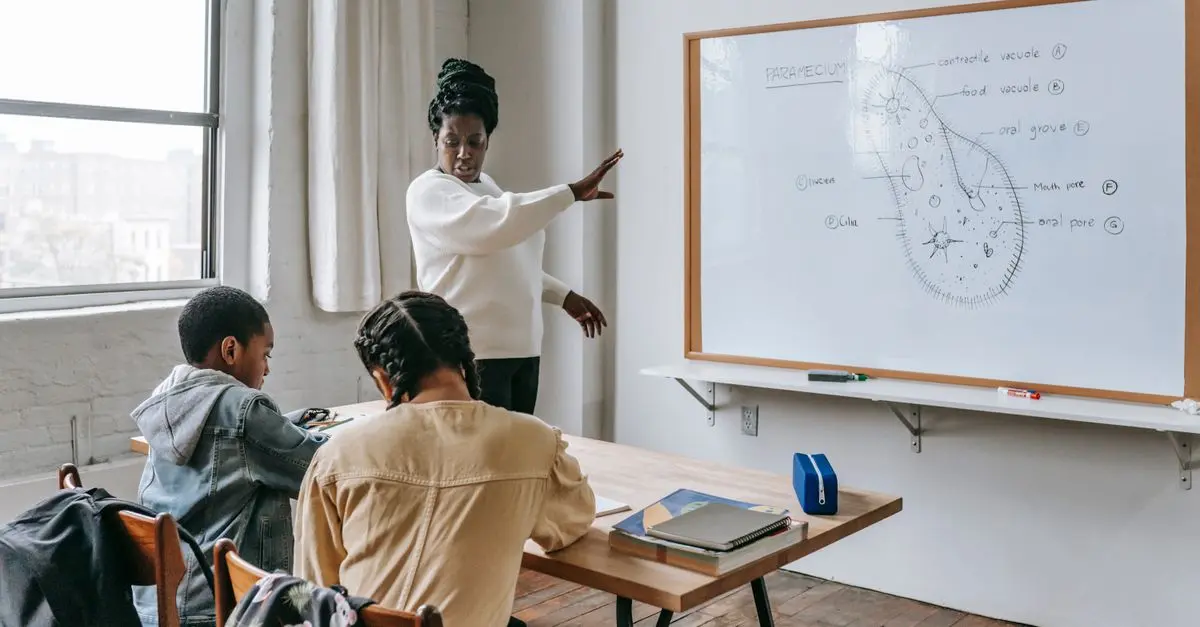
Collaborative teaching is a transformative approach that enhances the educational experience for both students and teachers. It promotes teamwork and leverages diverse skills and perspectives, creating a dynamic learning environment. But what exactly is collaborative teaching?
It involves two or more educators working together to plan, teach, and assess the same group of students, often in a shared classroom space. This method fosters a deeper understanding of the material through interaction and shared responsibilities, ultimately benefiting overall student achievement. According to a study published in the Journal of Educational Research, classrooms experiencing collaborative teaching reported significant increases in student engagement levels and academic performance.
In this article, we will delve into practical strategies for successfully implementing collaborative teaching in your classroom. Let's explore how you can harness the power of collaboration to enrich your teaching practice!
Step 1: Establish Clear Goals and Roles
To successfully implement collaborative teaching, it is crucial to establish clear goals and define specific roles for each educator involved. This step ensures that everyone is on the same page and knows their responsibilities, significantly improving teamwork and reducing misunderstandings. For instance, if you're collaborating with a special education teacher, set goals that cater to both general and specialized education needs. Discuss how each of you can contribute uniquely—perhaps one teacher leads instruction while the other manages class dynamics, tailoring support for diverse learners.
Additionally, fostering open communication is vital. Regular check-ins can help both educators assess progress toward the goals and adjust roles as needed. Remember, flexibility is key; you might find certain approaches work better than others as you refine your collaborative practice. Strive for a partnership where each educator feels valued and empowered to contribute their expertise.
Step 2: Create an Inclusive Classroom Environment
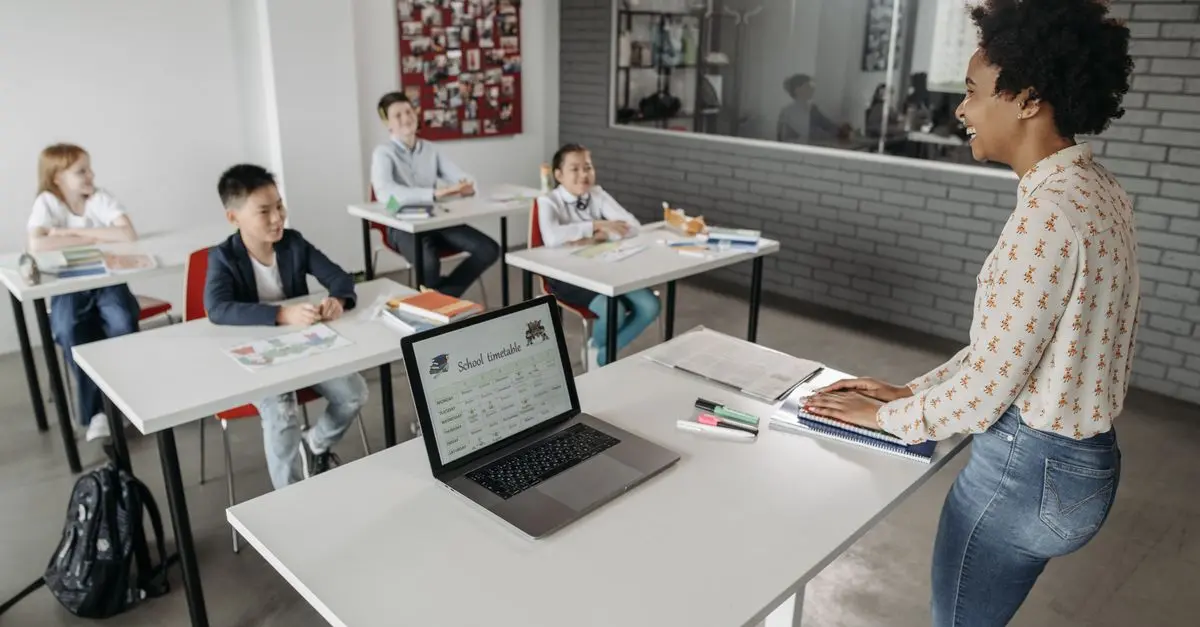
An inclusive classroom environment serves as the backbone of collaborative teaching. For students to thrive, they must feel welcome, valued, and connected to their peers. Begin by establishing a classroom culture that embraces diversity in backgrounds, abilities, and learning styles. Collaborative teaching inherently promotes inclusivity; thus, this environment lays the groundwork for successful cooperation among students.
Techniques such as cooperative learning strategies, where students work in pairs or groups, can enhance social interactions and peer-to-peer learning. Research from the American Educational Research Association affirms that students in collaborative learning settings show higher levels of problem-solving skills and creativity.
You might also consider incorporating tools and practices like shared classroom rituals or acknowledgments that celebrate individual and group accomplishments. These strategies cultivate a sense of belonging and encourage students to take part in collaborative activities willingly.

The House of Staunton 36" Pouch-Style Chess Demonstration (Teaching) Board Set with Deluxe Carrying Bag
houseofstaunton.com
Step 3: Integrate Technology for Enhanced Collaboration
Leveraging technology is paramount in modern collaborative classrooms. Tools such as Google Classroom, Microsoft Teams, or collaborative platforms like Padlet foster communication and organization among educators and students. Explore digital resources that enhance your collaboration by allowing real-time sharing of materials, grading, and feedback.
For example, using collaborative documents enables teachers to create lessons simultaneously, where they can input their ideas, assign specific areas of responsibility, and track changes in real time. Studies by the International Society for Technology in Education confirm that integrating technology not only simplifies administrative tasks but also engages students more effectively. When students engage with interactive technologies, they are more likely to participate actively in their learning.
Therefore, determine which technologies best suit your collaborative teaching approach and ensure all educators involved are comfortable using these tools. Offer training sessions or resources to ensure everyone can navigate these platforms efficiently.
Step 4: Plan Interdisciplinary Lessons
One of the significant advantages of collaborative teaching is the ability to create interdisciplinary lessons that draw from various subject areas. This type of lesson planning allows educators to integrate multiple perspectives and skills, providing a richer learning experience. For example, a history and literature teacher might work together to create a unit on historical fiction, combining their expertise to engage students in both subjects simultaneously.
This collaborative approach can deepen student understanding by highlighting the connections between disciplines. According to a report by the National Council for Teachers of English, students who participate in interdisciplinary learning demonstrate higher levels of critical thinking and retention. When designing interdisciplinary lessons, make sure to outline shared learning objectives clearly and combine assessments that reflect contributions from each discipline.
Step 5: Reflect and Adjust
Regular reflection and adjustment are essential components of successful collaborative teaching. Schedule periodic meetings with your co-educator(s) to discuss what is working well and what challenges you might be facing. Share feedback about instructional practices, classroom dynamics, and student engagement. This reflective practice encourages a culture of continuous improvement and reinforces the collaborative nature of your teaching.
Using tools like student surveys can also provide you valuable insights into how well your collaborative efforts resonate with learners. Are students more engaged? Are they benefiting from the variety of perspectives presented in the classroom? According to feedback from users of collaborative teaching models, ongoing adjustments based on real-time feedback contribute significantly to enhanced learning outcomes.
Checklist for Implementing Collaborative Teaching
- [ ] Establish clear goals and roles for educators.
- [ ] Create an inclusive classroom environment.
- [ ] Integrate technology to enhance collaboration.
- [ ] Plan interdisciplinary lessons that engage students.
- [ ] Schedule regular reflection and adjustment meetings.
🧠 Quick Quiz
> What is an essential aspect of successful collaborative teaching?
> - A) Individual teaching styles
> - B) Clear communication and defined roles
> - C) Standardized teaching methods
> Answer: B — Clear communication and defined roles among educators are crucial for effective collaborative teaching.
📺 Resource Video
> For further insights: [Collaboration in the Classroom: Strategies & Benefits], a comprehensive look at practical strategies for collaborative teaching. Search on YouTube: "effective collaborative teaching strategies 2026".
Glossary
| Term | Definition |
|---|---|
| Collaborative Teaching | A teaching approach where two or more educators work together to plan and deliver lessons. |
| Interdisciplinary Learning | An instructional strategy that integrates multiple subject areas to enhance learning and retention. |
| Inclusive Classroom | A learning environment that embraces diversity and supports the needs of all students. |
Conclusion
Collaborative teaching can be a game-changer in educational settings. By following these practical strategies, you can create a vibrant learning environment that supports students' needs while enhancing your teaching journey. Collaborative practices not only improve student outcomes but also foster a positive professional relationship among educators. Try implementing these strategies in your classroom and witness the transformation it brings.
Recommended Products
- Reading Time: Approximately 5-6 minutes.
Word Count: 1,022
📺 Pour aller plus loin : effective collaborative teaching strategies 2026 sur YouTube
Recommended products
Selected by our experts
The House of Staunton 36" Pouch-Style Chess Demonstration (Teaching) Board Set with Deluxe Carrying Bag
houseofstaunton.com
This chess demonstration set is ideal for collaborative teaching in strategic thinking and problem-solving effectively in group settings.