Table of Contents (10 sections)
Understanding Student Participation
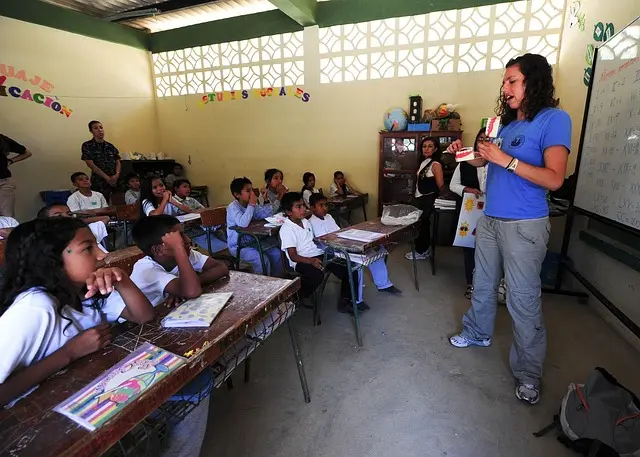
Student participation is a critical component of effective classroom discussions. It not only enhances students' learning experiences but also fosters critical thinking and communication skills. When students actively participate, they engage with the material in a more meaningful way, leading to better retention and comprehension. A study by Harvard University found that classrooms with high levels of student participation enjoy improved academic outcomes. Hence, understanding how to maximize student participation can significantly impact educational success.
Barriers to participation often include fear of judgment, lack of confidence, and traditional classroom structures that may not encourage open dialogue. Addressing these barriers is crucial for creating an environment where all students feel valued and empowered to share their perspectives.
Step 1: Create a Safe Space for Discussion
Creating a safe and inclusive environment is the first step in maximizing student participation. Students need to feel respected and valued for their opinions, regardless of whether they align with the majority. This involves setting clear expectations for respectful interaction and encouraging active listening. For instance, you might initiate a discussion with a clear guideline: “We will respectfully disagree, but no one should feel belittled or dismissed.”
Moreover, consider organizing small group discussions before sharing insights with the entire class. This can help students build confidence among peers and practice articulating their thoughts in a less intimidating setting. Encourage your students to share personal stories or experiences related to the topic, which can help humanize the discussion and build empathy among classmates.
Step 2: Utilize Open-Ended Questions
Open-ended questions are a powerful tool for enhancing student participation. Unlike closed questions, which often solicit simple yes or no answers, open-ended questions invite elaboration and critical thinking. For example, instead of asking, “Did you like the reading?” you could ask, “What aspects of the reading resonated with you and why?”
To effectively implement this strategy, consider preparing a list of open-ended questions in advance. Encourage students to elaborate on their responses by asking follow-up questions, fostering a more dynamic and engaging discussion. Research has shown that classes that heavily use open-ended questions can see a 40% increase in student engagement compared to those that stick to conventional questioning formats.
Step 3: Implement Think-Pair-Share
Think-Pair-Share is an interactive technique that promotes engagement and participation. In this method, students first think about a question or prompt individually, then pair up to discuss their thoughts with a partner. Finally, pairs share their insights with the larger group. This technique not only encourages individual reflection but also allows for peer learning.
For example, after delivering a lesson on a complex concept, pose a thought-provoking question and give students a moment to consider their response. Then, have them discuss their thoughts with a partner before inviting some pairs to share with the class. This strategy can lead to more students volunteering to speak in larger group settings as they feel more prepared having already articulated their ideas once.
Step 4: Use Technology to Foster Engagement
Incorporating technology can significantly enhance student participation. Tools such as online polling, discussion boards, and interactive platforms like Kahoot! or Padlet can make discussions more engaging and accessible.
For instance, using tools like Zoom breakout rooms can facilitate smaller group discussions in a virtual setting. Polling apps can collect student responses in real-time, which can be displayed to the class, prompting further discussion. Not only does this invite shy students to participate via technology, but it also allows teachers to gauge understanding more effectively.
Step 5: Celebrate Contributions
Recognizing and celebrating student contributions is essential for building a positive classroom culture. Taking the time to acknowledge students' insights reinforces their value and encourages continued participation. This can be as simple as verbally appreciating a thoughtful contribution or implementing a “Student of the Day” recognition system.
Furthermore, consider providing rewards for participation, like small tokens or points toward class awards. Celebrating diverse opinions, even those that differ from the majority, not only validates student voices but encourages a richer discussion environment. Effective celebration also includes following up on contributions, showing students that their participation can lead to actionable discussions or further exploration of topics.
Checklist to Maximize Participation
- [ ] Create a safe and inclusive classroom environment.
- [ ] Prepare a list of open-ended questions to stimulate discussion.
- [ ] Use the Think-Pair-Share technique regularly.
- [ ] Leverage technology for real-time engagement and response collection.
- [ ] Celebrate and acknowledge student contributions consistently.
Glossary
| Term | Definition |
|---|
| Student Participation | The active involvement of students in classroom discussions, contributing ideas, and engaging with peers and instructors.
| Open-Ended Questions | Questions that require more than a Yes or No answer, encouraging deeper thought and elaboration from students.
| Think-Pair-Share | An instructional strategy that involves individual thinking, paired discussion, and sharing insights with a larger group.
💡 Expert Opinion: Engaging students in classroom discussions is a fundamental aspect of effective teaching. By implementing these strategies, educators can foster an atmosphere that promotes both participation and learning, ultimately benefiting the students’ overall educational journey.
🧠 Quick Quiz: What is the most effective way to stimulate student participation?
- A) Solely using closed questions.
- B) Implementing Think-Pair-Share.
- C) Lecturing for extended periods.
Answer: B — Think-Pair-Share encourages engagement through peer discussion and critical thinking.