Table of Contents (14 sections)
Embarking on a teaching journey can be both rewarding and challenging. Every educator faces obstacles, from classroom management to curriculum design, and recognizing these challenges is the first step toward success. In this article, we will explore effective strategies to help you navigate these hurdles and enhance your professional development.
1. Embrace Lifelong Learning
Showing a commitment to lifelong learning not only enhances your skills but also sets an example for your students. According to a study by the National Education Association (NEA), teachers who engage in continuous professional development are 50% more likely to improve student performance. Consider attending workshops, enrolling in online courses, or pursuing advanced degrees to stay updated on educational trends. Setting personal learning goals can help you remain focused and motivated throughout your journey.
2. Develop a Support Network
Establishing a robust support network is crucial for any educator. Collaborate with colleagues, join teacher associations, and seek mentorship from experienced educators. A study published in the Journal of Educational Research indicated that teachers who actively participate in professional communities reported higher job satisfaction and resilience against challenges. Regular meetings with peers can provide fresh perspectives and share valuable resources that enrich your teaching practice.
3. Implement Effective Classroom Management Strategies
Effective classroom management is fundamental for fostering a positive learning environment. Strategies such as establishing clear rules, using consistent routines, and implementing positive reinforcement can significantly improve classroom behavior. According to a report by the School Discipline Consensus Report, schools that enforce clear behavioral expectations reduce disruptions by up to 30%. Practice these strategies consistently, and adjust them based on your class’s unique dynamics.
4. Utilize Technology in the Classroom
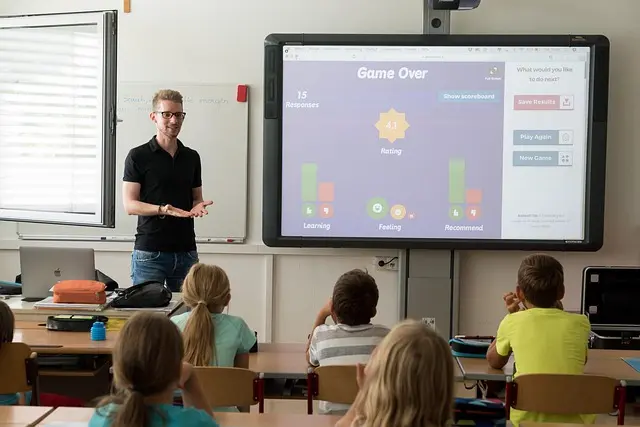
Incorporating technology into your teaching can enhance engagement and improve learning outcomes. Utilizing online platforms for collaborative projects, multimedia presentations, and virtual field trips expands your teaching toolkit. Research from EdTech Magazine shows that 74% of teachers noticed increased student engagement when technology was integrated into lessons. Explore tools like Google Classroom or Kahoot! to create interactive and engaging lessons.
5. Prioritize Self-Care
Teaching can be overwhelming, making it essential to prioritize self-care. Set boundaries between work and personal life, and engage in activities that replenish your energy. A survey from the American Psychological Association found that teachers who practiced self-care reported lower anxiety and higher levels of job satisfaction. Investing time in hobbies, exercise, or mindfulness practices can improve your overall well-being, making you more effective in the classroom.
6. Adapt to Diverse Learning Needs
Every classroom consists of students with varying learning needs and backgrounds. Adapting your teaching methods to accommodate these differences fosters inclusivity and enhances learning. Use differentiated instruction strategies, formative assessments, and flexible grouping to ensure that all students learn effectively. Research by the Inclusive Schools Network shows that inclusive classrooms see a 20% improvement in student outcomes. Tailoring your approaches can make a significant impact on student success.
7. Foster Positive Relationships with Students
Building strong, positive relationships with students is key to a successful teaching journey. Take the time to learn about your students’ interests, backgrounds, and challenges. A study by the University of Minnesota found that teachers who cultivated positive relationships saw a 25% increase in student motivation. Create a classroom culture based on trust, respect, and communication to enhance students' learning experiences.
8. Assess and Reflect on Your Practice
Regularly assessing your teaching practice is crucial for growth. Gather feedback from peers and students, and take time to reflect on what works and what doesn’t. Studies from the Harvard Graduate School of Education indicate that teachers who engage in reflective practices improve their teaching effectiveness. Set aside time at the end of each week to review your lessons, evaluate student performance, and adjust your strategies accordingly.
9. Collaborate with Families
Involving families in the educational process enhances student learning and strengthens the school-community connection. Regular communication through newsletters, meetings, and digital platforms helps keep families informed and engaged. Research by The National PTA indicates that students whose families are involved in their education have improved grades and behavior. Foster a welcoming environment for families to participate in their child's education journey.
10. Set Realistic Goals
Establishing realistic goals for yourself and your students can significantly enhance your teaching experience. Goals should be specific, measurable, achievable, relevant, and time-bound (SMART). Research from EdLeader21 found that educators who set SMART goals increased their effectiveness and student outcomes. Reflect on both short-term and long-term goals regularly to ensure you remain on track and motivated.
📺 Resource Video
> 📺 To go further: Navigating Classroom Challenges, a comprehensive analysis of teaching strategies. Search YouTube for: navigating challenges in classroom management.
Checklist before Navigating Challenges
- [ ] Embrace lifelong learning opportunities
- [ ] Develop a strong support network
- [ ] Implement effective classroom management techniques
- [ ] Utilize technology to enhance learning
- [ ] Commit to self-care practices
- [ ] Adapt teaching methods for diverse learning needs
- [ ] Foster positive student relationships
- [ ] Assess and reflect regularly on your teaching practices
- [ ] Collaborate with families in education
- [ ] Set realistic, achievable goals
Glossary
| Term | Definition |
|---|---|
| Lifelong Learning | Continuous self-education beyond formal education, often through professional development, workshops, and courses. |
| Classroom Management | Techniques and strategies used to maintain a productive learning environment. |
| Differentiated Instruction | Tailoring teaching methods and resources to accommodate different learning styles and abilities among students. |
> 🧠 Quick Quiz: What is a key benefit of a support network for teachers?
> - A) Increased workload
> - B) Higher job satisfaction
> - C) More administrative tasks
> Answer: B — Support networks help teachers share resources and strategies, leading to greater job satisfaction.
📺 Pour aller plus loin : navigating challenges in classroom management sur YouTube