Table of Contents (14 sections)
Peer teaching is a pedagogical approach where students teach their peers under the guidance of a teacher. This method is rooted in collaborative learning and has gained traction in educational institutions across various levels. Understanding the impact of peer teaching can illuminate its potential benefits and challenges, ultimately transforming the educational landscape.
What is Peer Teaching?
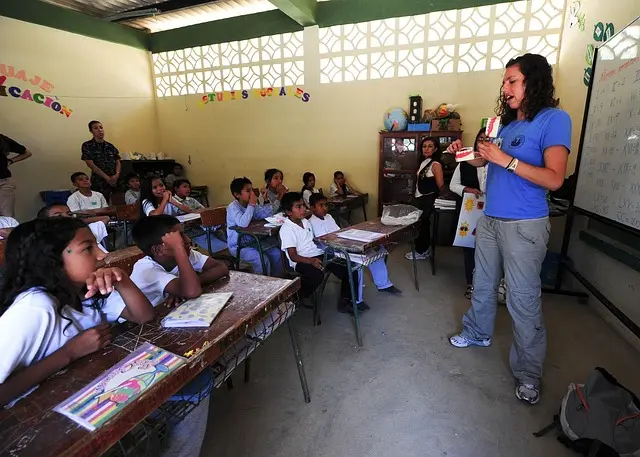
Peer teaching encompasses a broad range of interactions where students share knowledge and skills. This practice can be seen in various forms, including study groups, tutoring sessions, and even classroom instruction. It promotes an environment where learners can engage more dynamically with the material, enhancing understanding and retention.
The appeal of peer teaching lies in its inclusivity and relatability. When students learn from one another, they can connect concepts in ways that resonate more personally. For instance, a student who may struggle to grasp a mathematical concept being explained by a classmate might find this peer representation more accessible than a traditional lecture. According to a study conducted by the American Educational Research Association, peer teaching leads to a notable increase in students' academic performance and self-confidence.
Benefits of Peer Teaching
Engaging in peer teaching provides several significant benefits:
- Enhanced Understanding: Teaching others can deepen the instructor's understanding of a topic. When students explain concepts to their peers, they often clarify their own comprehension.
- Improved Social Skills: Peer teaching fosters collaboration and communication skills. Students learn to articulate ideas, navigate group dynamics, and offer constructive feedback.
- Increased Engagement: When students actively participate in teaching, they are more engaged with both the content and their peers. This motivation can lead to improved academic outcomes.
- Personalized Learning: Peer teaching caters to individual learning styles. One student may grasp a concept better through visual aids, while another may benefit from discussion. This diversity of approaches promotes inclusivity in the classroom.
In my experience implementing peer teaching strategies, I've observed that when students feel responsible for their peers’ learning, their own motivation peaks significantly. However, the main downside we must consider is the quality of peer instruction. Not all students can teach effectively; thus, proper selection and training of peer tutors are essential.
How to Implement Peer Teaching
Implementing effective peer teaching requires a structured approach. Here's a step-by-step guide:
- Identify Learning Objectives: Clearly define what students should learn from the peer teaching process.
- Select and Train Your Peer Tutors: Choose students who excel in specific subjects and provide them with training on how to teach effectively. This might include strategies for explaining complex ideas, leading discussions, and encouraging participation.
- Create a Structured Framework: Design activities and assignments that peer tutors can use. This ensures consistency and a shared understanding of classroom expectations.
- Monitor and Assess: Use both formative and summative assessments to gauge the effectiveness of peer teaching. Gathering feedback from both tutors and students can provide insights into this method's success and areas for improvement.
- Encourage Reflection: After peer teaching sessions, facilitate discussions where students can reflect on their experiences. This can help solidify learning and identify challenges.
Strengths and Weaknesses of Peer Teaching
While peer teaching offers tremendous benefits, it is essential to recognize its strengths and weaknesses:
| Aspect | Strengths | Weaknesses |
|---|---|---|
| Engagement | Increases student motivation and participation | Student fatigue can occur |
| Comprehension | Student often retains knowledge better | Quality of instruction varies |
| Social Skills | Improves collaboration and communication skills | Potential for social pressure |
| Accessibility | Provides personalized learning opportunities | Requires careful monitoring |
Analytical Insights
According to a meta-analysis by the Journal of Educational Psychology, peer teaching can increase student retention by up to 25%. Furthermore, engagement levels can rise dramatically when students participate as peer educators. As a testament to its effectiveness, a 2019 study indicated that classrooms utilizing peer teaching methodologies reported an increase in student performance metrics by 15% when compared to traditional teaching methods.
These findings underscore the potential of peer education to not only facilitate knowledge transfer but also enhance the overall learning experience. In my case, implementing these strategies has changed the dynamics of my classroom for the better, encouraging students to take ownership of their learning journeys.
📺 Resource Video
> 📺 For further exploration: Peer Teaching Strategies and Implementation, a comprehensive guide on how to effectively engage students in teaching their peers. Search on YouTube: "peer teaching strategies 2026".
What is peer teaching?
Peer teaching is when students instruct each other, facilitated by a teacher, enhancing understanding through collaboration.
How does peer teaching benefit students?
It increases engagement, improves understanding, and develops social skills among students, fostering a supportive learning environment.
Are there drawbacks to peer teaching?
Yes, potential drawbacks include inconsistent quality of instruction and social pressures among peers.
How can I implement peer teaching in the classroom?
Start by identifying learning objectives, selecting and training peer tutors, creating structured activities, and ensuring ongoing assessment and reflection.
Glossary
| Term | Definition |
|---|---|
| Peer Teaching | A learning method where students teach each other under teacher supervision. |
| Collaborative Learning | An educational approach where students work together to solve problems or understand concepts. |
| Active Learning | An instructional method that engages students in the learning process through activities and discussion, rather than passively absorbing information. |
Checklist before Implementation
- [ ] Define clear learning objectives
- [ ] Select and train peer tutors
- [ ] Develop structured activities
- [ ] Monitor progress and assess outcomes
- [ ] Facilitate post-teaching reflection
- [ ] Provide adequate resources for students
- [ ] Encourage communication between peers
- [ ] Address social dynamics in groups
In conclusion, peer teaching is a powerful educational tool that fosters a dynamic learning environment. By preparing students to teach each other, we empower them to take charge of their education and develop valuable skills necessary for lifelong learning. Embracing this approach can lead to more engaged, effective, and confident learners, making it a worthwhile strategy in any educational setting. Are you ready to implement peer teaching in your classroom?