Table of Contents (16 sections)
Understanding Social Media in Teaching
Social media in teaching refers to the use of platforms like Facebook, Twitter, Instagram, and educational forums as tools for education. These platforms allow educators to connect with students, share resources, and facilitate discussions beyond the boundaries of the classroom. The incorporation of social media in teaching can enhance student engagement, foster collaboration, and provide access to a wide range of educational resources.
Why Use Social Media in Education?
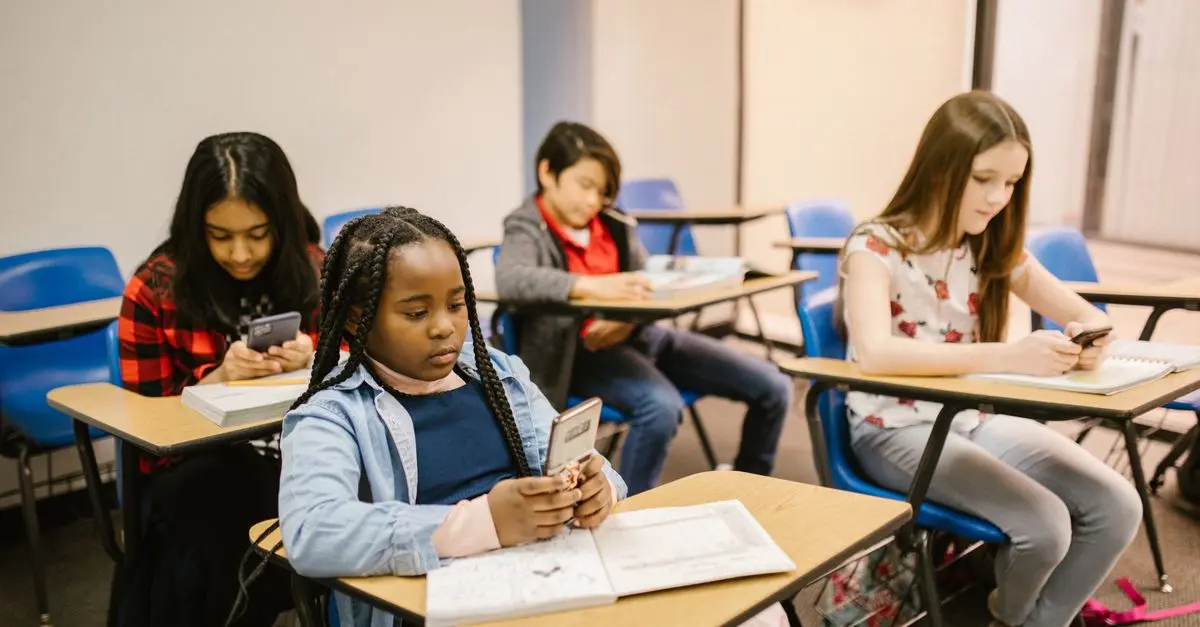
Understanding the significance of social media in education is crucial. First, it can bridge the gap between traditional teaching methods and the dynamic, digital world that students inhabit. According to a study by Pew Research Center, 69% of teens reported that they use social media daily. Leveraging these platforms can create a more relatable and engaging learning environment, making it essential for educators to embrace these technologies.
Moreover, social media facilitates peer-to-peer learning and allows students to express themselves creatively. By creating a collaborative learning environment, teachers can harness peer feedback, which is invaluable for student development. As a result, integrating social media into teaching is no longer just an option; it's a necessity in today's educational landscape.
Step-by-Step Guide to Using Social Media
Step 1: Identify the Right Platforms
Choosing the appropriate social media platforms for your teaching goals is the first step. Different platforms serve unique functions; for instance, Twitter is excellent for quick updates, while Instagram can be used for visual storytelling. Analyze the demographic of your students and select platforms they are comfortable using.
Prerequisites:
- Assess the age group of your students.
- Evaluate the technological access they have.
Step 2: Establish Guidelines and Objectives
Before diving in, it’s essential to create a framework for how social media will be used in your teaching. Set clear expectations for appropriate conduct and define educational objectives. This might involve creating a contract that outlines acceptable behavior and goals for using the platform.
Pro Tip:
Consider organizing a class meeting to discuss the guidelines collaboratively. This not only fosters a sense of ownership but also encourages students to be more responsible in their online interactions.
Step 3: Create Engaging Content
Social media thrives on engaging, visually appealing content. Incorporate multimedia elements like images, videos, polls, and quizzes to capture your students’ attention. Tools such as Canva and Prezi can help in designing professional-quality content that connects the subject matter to their interests.
Common Mistakes to Avoid:
- Posting too frequently and overwhelming students.
- Focusing solely on one type of content.
Step 4: Foster Interaction and Feedback
Encourage students to interact with the content and with each other. Use social media to post questions, foster discussions, and share projects. Interactive posts lead to valuable peer feedback. For example, set up a weekly challenge where students can share insights on a particular topic.
Professional Insight:
According to Edutopia, classrooms that foster interactive discussions see improved communication skills and increased student performance.
Step 5: Assess and Reflect
Regularly evaluate the impact of social media on student engagement and learning outcomes. Use tools like surveys to gather feedback from students about their experiences. What do they find valuable? What could be improved? Based on this feedback, be prepared to adjust your approach.
Don't Forget:
Document successes and challenges throughout the year to create a reflective diary, which can help you refine your methods in the future.
Comparative Analysis of Social Media Platforms
| Platform | Pros | Cons | Best Use Case |
|---|---|---|---|
| Community building, group functions | Privacy concerns, age restrictions | Class announcements, group work | |
| Visual storytelling | Limited text, fast content flow | Creative projects, art classes | |
| Real-time updates, networking | 280-character limit | Quick updates, news sharing | |
| TikTok | Highly engaging, creative content | Not traditionally educational | Innovations, short tutorials |
Current Trends and Statistics
Recent data shows that 79% of educators have reported successfully incorporating social media into their curriculum. This transformation reflects a shift towards more innovative teaching methods that resonate with students. Furthermore, a study by Global Web Index indicates that 73% of students believe social media can positively impact their learning experiences. Leveraging these statistics can help educators understand the importance of integrating social media into their teaching strategies.
Q: What are the benefits of using social media in teaching?
A: Social media facilitates communication, promotes collaboration, and enhances engagement among students.
Q: How can I ensure students use social media responsibly?
A: Establish clear guidelines and educate students about online etiquette and privacy.
Q: Which social media platform is best for educational purposes?
A: It depends on your goals; however, Facebook and Instagram are popular choices for developing class communities.
Q: Can social media impact student learning positively?
A: Yes, studies show that effective use of social media can significantly enhance learning outcomes and engagement levels.
Glossary
| Term | Definition |
|---|---|
| Digital Citizenship | The ability to navigate the digital world safely and responsibly. |
| Social Media Literacy | The competence to use social media platforms effectively for learning and communication. |
| Engagement | The level of interest and participation a student shows in their learning process. |
Checklist
- [ ] Identify suitable social media platforms
- [ ] Establish guidelines and objectives
- [ ] Create engaging content
- [ ] Foster interaction and feedback
- [ ] Assess and reflect on the impact
Quiz
> 🧠 Quiz rapide : What is a key benefit of using social media in the classroom?
> - A) It's free to use
> - B) It connects students with real-world issues
> - C) There's no need for a lesson plan
> Réponse : B — Social media connects students to current events, enhancing relatability in learning.
📺 Ressource Vidéo
> [Effective Use of Social Media in Education], a comprehensive analysis of social media strategies in classrooms. Recherchez sur YouTube : "how to use social media in teaching 2026".