Table of Contents (9 sections)
Effective classroom management is a skill every educator must master to create a productive learning environment. The way a classroom is managed can significantly affect the learning outcomes of students. Effective classroom management involves organizing the setting in which you teach so that it fosters learning rather than disruption. It is about creating a space where students feel valued and motivated.
Understanding the fundamentals of classroom management is crucial. It involves not only the logistics of physically managing your classroom but also the psychological aspects of discipline and engagement. With a solid foundation, educators can better navigate the challenges they face in the classroom.
1. Establish Clear Expectations
Creating a safe and engaging classroom begins with setting clear expectations from day one. Clearly outlined rules help students know what is acceptable behavior and what isn't. To establish expectations, consider the following steps:
- Involve Students: At the start of the school year, involve your students in developing classroom rules. This encourages ownership and accountability.
- Be Specific: Ensure that rules are specific and actionable. Instead of saying, "Be respectful," clarify that students should listen when others are speaking.
- Reinforce Positively: Use positive reinforcement to acknowledge when students meet expectations. This could be verbal praise, a sticker system, or extra privileges.
Following these steps creates a communal environment where students understand their responsibilities. It reduces disruptive behaviors and sets the tone for the school year.
2. Build Relationships with Students
Fostering strong relationships with students is another fundamental strategy in effective classroom management. According to a study by Harvard University, strong teacher-student relationships can lead to increased academic success and improved behavior.
- Know Your Students: Take the time to learn about your students' interests, strengths, and challenges. This might include informal chats, learning styles questionnaires, or student surveys.
- Show Empathy: Practice active listening and show that you care about their concerns. When students feel known and understood, they are more likely to engage.
- Be Available: Make an effort to be approachable. If students feel comfortable coming to you with questions or issues, it can prevent problems from escalating.
Strengthening the teacher-student relationship leads to a positive classroom climate where students are willing to engage and cooperate. This decreases misbehavior and enhances motivation.
3. Implement Engaging Instructional Strategies
One root cause of classroom disruption is disengagement. Implementing various instructional strategies can enhance students’ engagement levels:
- Active Learning: Incorporate methods that require collaboration, discussion, and hands-on activities. Techniques such as group work and project-based learning can spark interest and attention.
- Differentiated Instruction: Understand that students learn differently. Use diverse teaching methods to cater to various learning styles—visual aids, auditory resources, and kinesthetic activities are all vital.
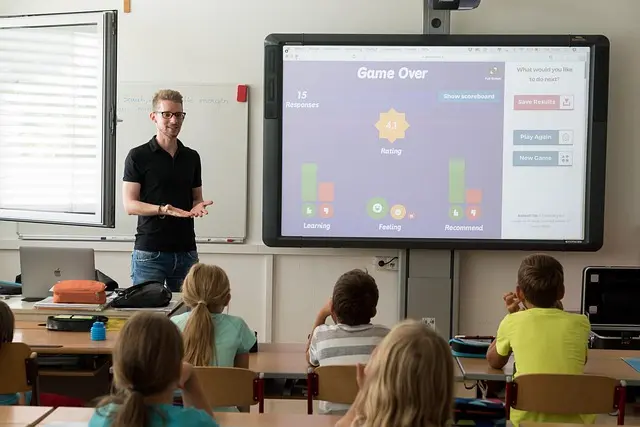
- Technology Resources: Utilize educational technology applications to engage students. Tools like interactive quizzes or collaborative platforms can make learning more appealing.
By diversifying instructional methods, you cater to different learning preferences and keep students motivated, which in turn minimizes disruptive behaviors.
4. Create a Positive Learning Environment
A positive learning environment signifies more than just physical space; it encapsulates emotional and psychological aspects:
- Arrange Your Space: Organize your classroom to facilitate interaction. Desks arranged in a circle or clusters promote discussion and help build a community feel.
- Manage Transitions Smoothly: Utilize signals or countdowns for transitions to prevent chaos during changes in activities. Discuss the transition with students beforehand to prepare them mentally.
- Maintain Classroom Calm: Use calming strategies like deep breathing or short mindfulness exercises to help students reset when tensions rise.
Teachers who maintain an inviting and calm environment can help students feel safe and supported, encouraging both learning and respect.
5. Monitor and Adjust
Classroom management requires flexibility and adaptability. As the dynamics within the classroom change, so too should your management techniques:
- Observe Behavior Patterns: Keep an eye on what strategies are effective and which ones are not. Regular reflection on classroom management practices can yield further insights.
- Adjust Lesson Plans: If a particular instructional strategy includes frequent disruptions, don’t hesitate to alter your plan on the fly. Being responsive to your classroom's needs demonstrates to students that you are invested in their learning experience.
- Seek Feedback: Encourage students to provide feedback regarding classroom management tactics. This not only empowers them but also gives you insights for improvement.
Active monitoring allows teachers to recalibrate and find effective solutions tailored to their classroom dynamics. Tailor your approach continuously for success.
Conclusion
In conclusion, effective classroom management is an ongoing process that requires dedication, experimentation, and patience. Implementing these strategies can provide a solid groundwork for fostering a productive learning environment. Remember, a well-managed classroom not only enhances the learning experience but also cultivates respect and understanding among students.
Checklist for Effective Classroom Management
- [ ] Establish clear and actionable expectations.
- [ ] Build strong relationships with students.
- [ ] Implement diverse instructional strategies.
- [ ] Create a positive and inviting learning environment.
- [ ] Monitor classroom dynamics and adjust accordingly.
Glossary
| Term | Definition |
|---|---|
| Classroom Management | Techniques employed by teachers to maintain a productive learning environment. |
| Engagement | The level of interest and attention students exhibit in the learning process. |
| Differentiation | Tailoring instruction to meet the varied needs of students in the classroom. |
> 💡 Expert Insight: Research supports that effective classroom management correlates with a 30% increase in student achievement across various subjects. Creating an environment conducive to learning is not just beneficial—it’s essential for success.
> 📺 For further exploration: Classroom Management Techniques That Work, a deep dive into innovative strategies for classroom success. Search on YouTube for:
effective classroom management strategies 2026.
📺 Pour aller plus loin : effective classroom management strategies 2026 sur YouTube
Recommended products
Selected by our experts