Table of Contents (4 sections)
Teaching is more than just delivering lessons; it’s about nurturing, guiding, and inspiring students. In this article, we’ll explore the essential teaching skills that can empower educators to excel in their profession, leading to better outcomes for students and a more fulfilling career for teachers. Here’s what you need to master:
- ## Effective Communication
Effective communication is paramount for teachers. It involves conveying ideas clearly, listening actively, and adjusting messages based on the audience’s response. For example, utilizing clear language and relatable examples can help convey complex subjects in a simpler manner. Furthermore, engaging students through questions encourages them to think critically and participate actively in discussions. According to a study by the National Education Association, teachers who communicate effectively see significantly higher student engagement and performance.
- ## Classroom Management
Classroom management is crucial in creating a conducive learning environment. This skill encompasses establishing rules, maintaining order, and cultivating respect between teachers and students. Successful classroom management involves proactive strategies, such as setting clear expectations at the beginning of the school year and employing techniques like positive reinforcement to promote desirable behavior. Research by Edutopia indicates that effective classroom management can reduce behavioral disruptions, creating a more productive learning atmosphere.
- ## Empathy and Emotional Intelligence
Understanding students is a foundational skill that requires empathy and emotional intelligence. When teachers relate to their students’ feelings and experiences, they create a supportive space for learning. For instance, being able to recognize when a student is struggling can prompt timely intervention. This emotional connection fosters trust and encourages open communication, creating an environment where students feel safe to express themselves. Activities that promote social-emotional learning can also enhance this connection.
- ## Adaptability
In today’s ever-evolving educational landscape, adaptability is an essential teaching skill. It involves being open to change and willing to modify approaches based on what works for students. For example, during unexpected disruptions like the transition to online learning due to a global pandemic, teachers who quickly adapted their teaching methods saw better student success rates. This flexibility can enhance learning experiences, making them more relevant and effective.
- ## Innovation and Creativity
Incorporating innovation and creativity in lesson planning can dramatically enhance student engagement. Teachers who employ creative teaching methods, such as project-based learning or integrating technology, tend to capture student interest more effectively. A report from The Creativity Crisis notes that students benefit significantly from innovative teaching strategies, as they encourage exploration and critical thinking. Innovators like Apple and Google have highlighted the importance of creativity in education through their various educational programs, showcasing the value of engaging learners in novel ways.
- ## Collaboration and Teamwork
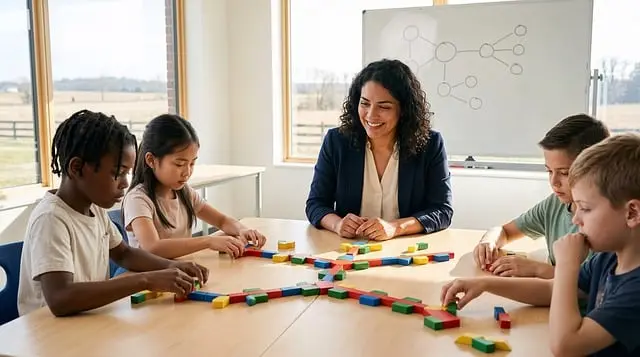
Collaborating with peers and engaging in teamwork can enrich teaching practices. Teachers can share resources, strategies, and support each other in addressing challenges. For instance, professional learning communities (PLCs) allow educators to discuss methods and improve instructional quality. Studies show that this collaborative approach can lead to improved outcomes, as teachers learn from each other’s experiences and enhance their skill set through shared knowledge. The American Educational Research Association indicates that teachers partaking in collaborative practices often report higher job satisfaction and effectiveness.
- ## Critical Thinking and Problem-Solving
Encouraging critical thinking and problem-solving among students is essential. Teachers must model these skills by asking thought-provoking questions and providing challenging scenarios that require thoughtful solutions. Using real-world problems in classroom discussions helps students develop these essential skills. A study from Harvard Graduate School of Education found that students exposed to critical thinking tasks showed improved analytical skills and creativity.
- ## Technology Integration
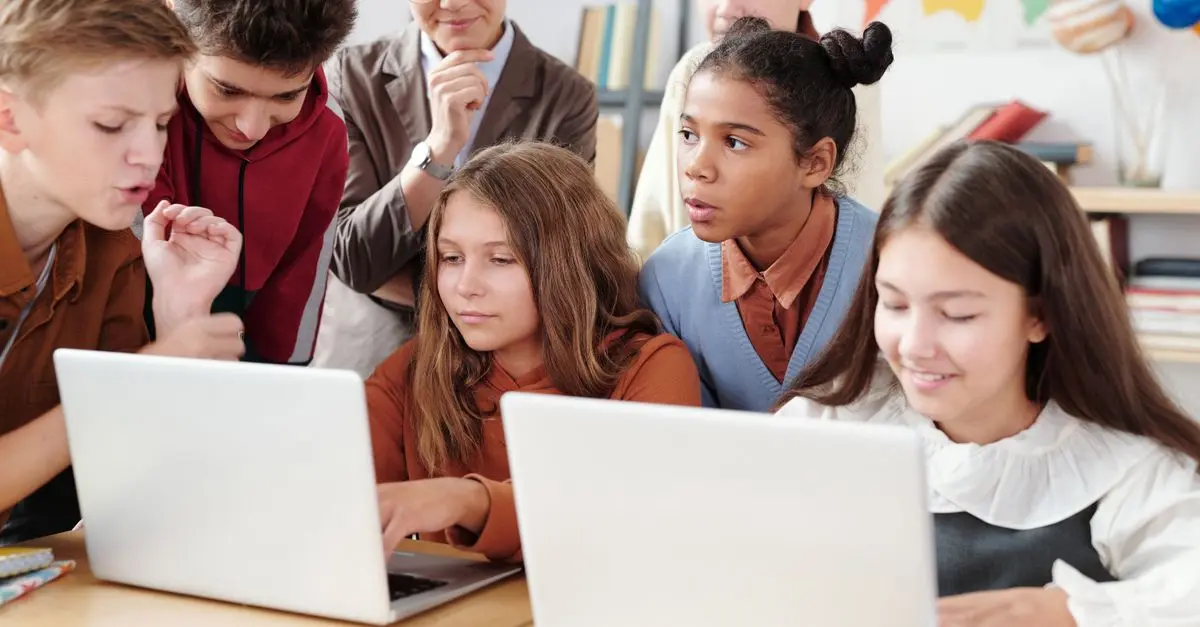
In the digital age, integrating technology into teaching is no longer optional. Familiarity with educational software, interactive tools, and online resources enhances the learning experience. Educators should seek professional development opportunities to stay up-to-date with emerging technologies and effective online teaching methodologies. A Pew Research study highlights that teachers who effectively use technology see significant improvements in student engagement and success.
- ## Cultural Competence
Cultural competence is crucial for today’s diverse classrooms. Teachers who understand and respect cultural differences can create inclusive environments where all students feel valued. This can be achieved through culturally relevant pedagogy and tailored resources. The National Center for Culturally Responsive Teaching and Learning emphasizes the connection between cultural competence and improved student performance across various demographics.
- ## Continuous Professional Development
The educational landscape is constantly changing; therefore, ongoing professional development is essential for teachers. Engaging in workshops, conferences, and online courses can enhance teaching skills and introduce new educational trends. Moreover, being part of a community of learners helps teachers stay informed and inspired. According to the Learning Policy Institute, continuous learning for educators leads to enhanced teaching efficacy and better student outcomes.
💡 Expert Insight: “In our experience, teachers who prioritize continuous learning and skill development are more likely to inspire their students to achieve their best.”
📺 For Further Exploration:
Explore a comprehensive guide on essential teaching skills that empower educators. Search on YouTube: "essential teaching skills 2026".
Checklist Before You Enhance Your Skills:
- [ ] Identify areas for personal growth
- [ ] Explore professional development opportunities
- [ ] Collaborate with colleagues for shared learning
- [ ] Incorporate innovative strategies in the classroom
- [ ] Stay updated on educational technology
Glossary
| Term | Definition |
|---|---|
| Culturally Relevant Pedagogy | Teaching that recognizes the cultural backgrounds of students and incorporates those into the learning experience. |
| Social-Emotional Learning | Programs that focus on developing social and emotional skills in students to enhance overall school success. |
| Professional Learning Community | A group of educators that collaborates to improve teaching skills and student success. |
> 🧠 Quick Quiz: What is essential for effective classroom management?
> - A) Strict discipline
> - B) Clear expectations
> - C) Limited student interaction
> Answer: B — Clear expectations help set the foundation for proper behavior and engagement.
📺 Pour aller plus loin : Top 10 Technical Skills That Will Matter Most in 2026 sur YouTube