Table of Contents (13 sections)
- Understanding Teaching Challenges
- Setting Clear Goals
- Building a Support Network
- Incorporating Technology
- Enhancing Classroom Management
- Adaptability in Teaching Methods
- Utilizing Student Feedback
- Professional Development Opportunities
- Fueling Passion for Teaching
- Effective Communication
- Checklist Before Implementation
Understanding Teaching Challenges
Teaching is a dynamic and rewarding profession full of unique challenges. From engaging students effectively to managing classroom dynamics, educators must maneuver through a variety of issues that can hinder their teaching journey. Common challenges include time management, student motivation, and navigating differing learning styles. According to a survey by Education Week, about 50% of teachers cite lack of support as a significant obstacle to their effectiveness in the classroom. By recognizing these challenges and understanding their implications, educators can devise strategies that not only address these issues but also enhance the teaching experience overall.
Setting Clear Goals
Setting clear and attainable goals is crucial in overcoming teaching challenges. This involves defining what you want to accomplish within a time frame, whether personal professional growth or student achievement. For instance, using the SMART criteria—Specific, Measurable, Achievable, Relevant, Time-Bound—can help clarify objectives. An example could be to improve student engagement by 30% by introducing interactive lessons or technology within six months. Regularly reviewing these goals allows educators to reflect on their progress and adapt methods accordingly, promoting a proactive approach to overcoming obstacles.
Building a Support Network
Creating and maintaining a support network can significantly reduce the feeling of isolation many educators experience. Collaborating with colleagues, joining teacher associations, and participating in online forums can provide new insights and resources. For example, teachers can share effective strategies and resources for classroom management or lesson planning through collaborative platforms. A supportive environment not only allows teachers to feel more connected but empowers them to brainstorm solutions to challenges collectively. Establishing a mentorship relationship can profoundly impact professional growth and offer guidance in overcoming struggles.
Incorporating Technology
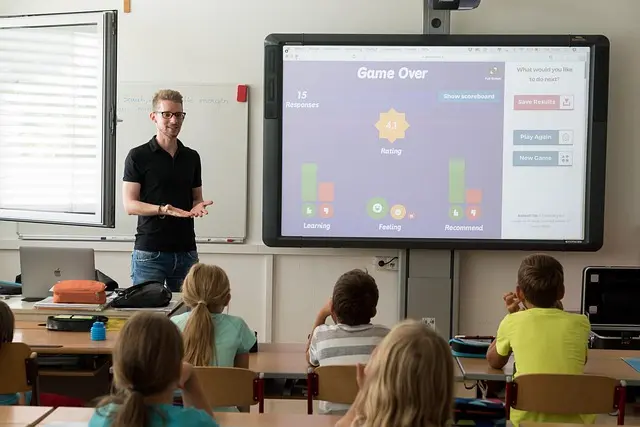
In 2026, technology integration in education is more important than ever. By incorporating digital tools and online platforms, educators can address various teaching challenges, particularly in fostering engagement and meeting diverse student needs. Platforms such as Google Classroom or Edmodo enhance communication and streamline assignment management, making the teaching process more efficient. Furthermore, tools like Zoom or Kahoot! enable dynamic and interactive lessons that harness student interest and participation, ultimately reducing classroom management difficulties and promoting a more collaborative learning experience.
Enhancing Classroom Management
Effective classroom management is fundamental in overcoming teaching challenges. It sets the tone for the learning environment and prevents disruptive behaviors. Techniques such as establishing clear rules, implementing a consistent routine, and using positive reinforcement can foster a conducive atmosphere. For example, a study by The National Center for Education Statistics indicates that 74% of successful educators incorporate structured classroom management plans to maintain student focus. Continuous training in classroom management strategies not only equips educators with the approaches necessary to minimize disruptions but also promotes a respectful and productive classroom culture.
Adaptability in Teaching Methods
Every classroom is unique, comprising diverse learning styles and abilities that require flexibility in teaching methods. Adaptability is key when overcoming challenges such as student engagement and learning differences. Using differentiated instruction can help meet varied learning needs and improve all students' learning experiences. An example includes offering multiple assignment formats, such as presentations, written reports, or creative projects, to cater to everyone's strengths. Embracing a growth mindset not only helps teachers adjust their strategies but also encourages students to take ownership of their learning journey.
Utilizing Student Feedback
Utilizing feedback from students is a critical strategy in addressing challenges and enhancing teaching effectiveness. Implementing tools like anonymous surveys can provide valuable insights into student preferences and experiences, guiding educators in refining their lesson plans or teaching methods. According to Harvard University, students who regularly provide feedback tend to show a 20% increase in engagement and performance. This two-way communication fosters a sense of community, strengthening the educator-student relationship and allowing for tailored approaches to problem-solving.
Professional Development Opportunities
Engaging in professional development is essential for teachers looking to overcome various challenges. Continuous learning through workshops, seminars, or online courses can equip educators with the knowledge and skills necessary to navigate today’s educational landscape. Many school districts offer resources for teachers to access, aimed at addressing specific challenges like technology use in the classroom or effective assessment strategies. Inviting guest speakers or industry professionals to share best practices can also spark new ideas, leading to improved teaching practices and enhanced student engagement.
Fueling Passion for Teaching
Maintaining passion and enthusiasm for teaching can sometimes be overshadowed by the daily challenges educators face. To overcome this, teachers should establish self-care routines, participate in educational workshops, and spend time on personal interests outside the classroom. Joining groups or communities that align with their educational values can reignite the passion for teaching and help combat burnout. For example, dedicating just 30 minutes daily for personal reflection or engaging with other educators can inspire new ideas and strategies that enrich the teaching experience.
Effective Communication
Effective communication is at the heart of overcoming teaching challenges. Establishing clear channels of communication with students, parents, and colleagues ensures everyone is informed and on the same page. Techniques such as regular newsletters to parents or weekly check-ins with students can foster connections and build trust. According to research from The International Journal of Educational Research, effective communication improves parent and student engagement by 25%. Developing strong communication skills facilitates constructive dialogue and reduces misunderstandings, thus creating a more supportive and collaborative educational environment.
Checklist Before Implementation
- [ ] Define key challenges and opportunities in your teaching environment.
- [ ] Establish specific, measurable goals for student outcomes.
- [ ] Build a support network of colleagues and mentors.
- [ ] Integrate technology tools suitable for your classroom needs.
- [ ] Implement strong classroom management techniques.
- [ ] Remain adaptable in your teaching methods.
- [ ] Regularly solicit feedback from students.
- [ ] Engage in ongoing professional development.
- [ ] Prioritize self-care to maintain enthusiasm.
- [ ] Enhance communication strategies with all stakeholders.
📺 Resource Video
📺 For further insights: Transforming Education: Strategies for Educators, a deep dive into innovative practices for addressing classroom challenges. Search for