Table of Contents (15 sections)
Engaging students has become an ever more crucial aspect of the teaching journey. As educators, our primary goal is to ensure that students not only absorb knowledge but are also active participants in their learning process. Engaging students can lead to improved retention rates, higher motivation, and a more enjoyable educational experience for both teachers and learners. In this article, we’ll explore ten innovative strategies designed to create vibrant learning environments that enhance student engagement.
1. Foster a Collaborative Classroom Environment
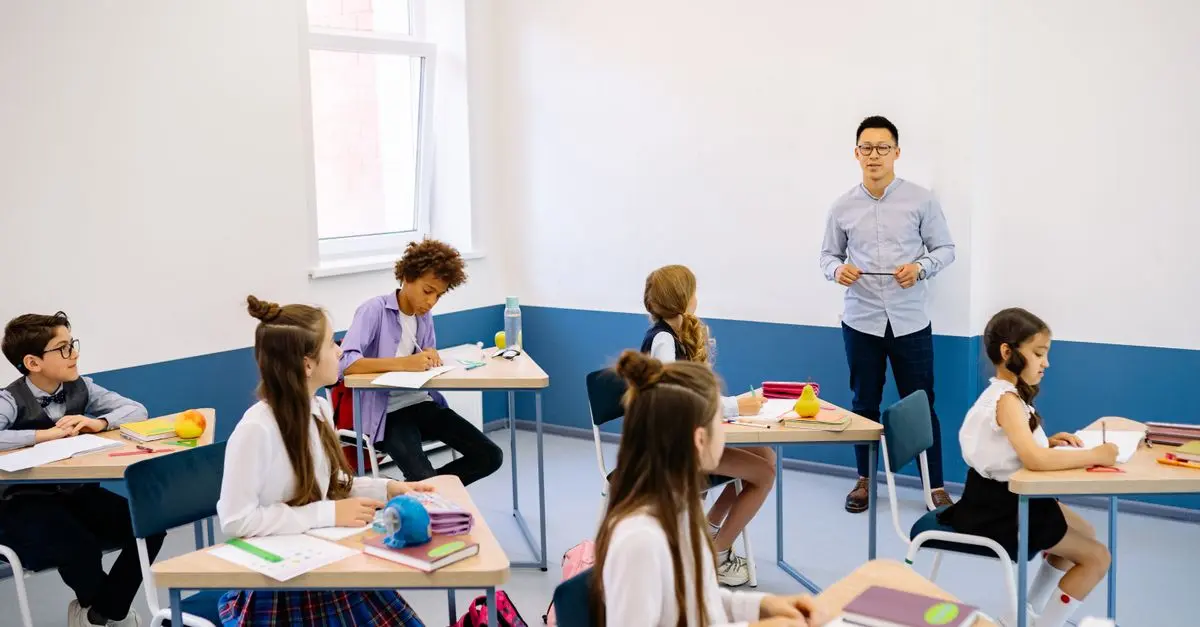
Creating a collaborative environment is fundamental for engaging students effectively. Encourage group work and peer-to-peer learning. When students work together, they can share ideas and insights, making learning a mutual effort rather than a solitary chore. Research shows that collaboration significantly boosts motivation and accountability among peers. Implementing tools such as collaborative projects, group discussions, or even digital platforms can enhance students' communication skills and foster a sense of community in the classroom.
For instance, incorporating a group project where students must present a topic can encourage active participation and deeper learning.
2. Incorporate Technology Wisely
Technology plays a vital role in engaging students today. From interactive presentations to educational apps, technology can enhance learning experiences. Tools like Kahoot! or Google Classroom provide interactive ways for students to engage with lessons. However, it’s important to use technology judiciously. Every tech tool incorporated should align with learning objectives and foster engagement rather than distract. For example, using an online quiz can turn a usual assessment into a fun competition, maximizing student participation and excitement!


3. Connect Learning to Real-World Scenarios
To truly engage students, one effective strategy is to connect lessons to real-world applications. Students are more likely to engage with material that they see as relevant to their lives. This can be done through project-based learning, where students tackle real-world problems or delve into projects that have tangible outcomes. For instance, if teaching science, consider a unit that addresses local environmental issues. This allows students to see the implications of their studies beyond the classroom, fostering a deeper interest in the subject matter.
4. Use Gamification Techniques
Gamification is a powerful method to boost student engagement. Integrating game elements such as point scoring, competition, and rewards can transform traditional learning into a dynamic and exciting experience. Techniques such as leaderboards, badges for achievements, and educational games can stimulate interest and motivation. For example, setting up a classroom quest where students earn points for contributing to discussions or completing challenges can create a fun and engaging atmosphere. This approach has been shown to increase participation rates significantly.
5. Encourage Student Feedback and Involvement
Engaging students actively includes allowing them to voice their opinions. Soliciting student feedback through surveys or informal discussions helps you understand their interests and preferences, which can guide your teaching strategies. By discussing what worked and what did not during a lesson, students feel valued and more invested in their education. Opening channels of communication can include suggestion boxes or digital forums where students can freely express their thoughts on class activities.
6. Create Interactive Lessons
The format of your lessons matters greatly when it comes to maintaining student engagement. Interactive lessons that include hands-on activities, discussions, and multimedia presentations tend to keep students captivated. Include arts, drama, or even digital storytelling to make lessons more relatable. For example, if teaching literature, have students act out scenes from a book or create a digital story that summarizes the plot in a creative way.
7. Establish Clear Learning Goals
Setting clear learning objectives helps students understand the importance of their coursework and how it applies to their overall educational development. Transparent goals create a sense of purpose that can motivate students. Implementing a roadmap for a unit can help students track their progress and identify areas where they need additional support. For instance, visible goal-setting activities at the beginning of each term can encourage students to take ownership of their learning, ensuring that they remain engaged and focused.
8. Utilize Diverse Teaching Methods
Every student learns differently, and as educators, it’s imperative to recognize these diverse learning styles. Employing a mix of lectures, discussions, visual aids, and hands-on activities caters to various preferences. This diversity not only caters to different learning styles but also maintains interest levels among students. Providing options for assignments—where students can choose how to present their knowledge—can also empower students and promote engagement.
9. Build Strong Teacher-Student Relationships
Establishing relationships built on trust and respect can significantly enhance student engagement. When students feel that their teacher genuinely cares about their success, they are more likely to engage with the material. Take time to learn about your students' interests and backgrounds, and maintain open lines of communication. Regular check-ins can also help ensure that students feel supported in their learning, fostering an environment where they are more eager to participate.
10. Involve Parents and Guardians
Parents and guardians play a critical role in student engagement. Regular communication regarding classroom activities and the importance of parental support can strengthen the learning experience. Hosting open houses or family nights, where parents can participate in classroom activities, encourages a community approach to education. Moreover, providing resources for parents to assist with homework or projects reinforces the connection between home and school, signaling to students that their education is a shared priority.
Conclusion
By implementing these ten creative strategies, teachers can create an interactive and vibrant learning environment that engages students effectively. Remember that student engagement is not a one-size-fits-all approach; it often requires flexibility and adaptation to foster the best learning outcomes.
Checklist for Engaging Students
- [ ] Foster collaboration and peer learning
- [ ] Incorporate relevant technology
- [ ] Connect lessons to real life
- [ ] Use gamification
- [ ] Encourage student feedback
- [ ] Create interactive lesson plans
- [ ] Establish clear learning goals
- [ ] Utilize diverse teaching methods
- [ ] Build strong teacher-student relationships
- [ ] Involve parents and guardians
Glossary
| Term | Definition |
|---|---|
| Engagement | The degree of attention, curiosity, interest, and passion that students show when learning. |
| Gamification | The application of game-design elements in non-game contexts to improve user engagement. |
| Collaborative Learning | An educational approach that involves groups of students working together to maximize their own and each other’s learning. |
> 🧠 Quiz rapide : What is a key technique for engaging students?
> - A) Lectures only
> - B) Collaborative group work
> - C) Independent study
> Réponse : B — Collaborative group work encourages students to participate actively and helps enhance their learning experience.
📺 Pour aller plus loin : Check out our analysis on innovative teaching methods, a comprehensive look at engaging students in today's classrooms. Recherchez sur YouTube : "creative strategies for student engagement 2026".
📺 Pour aller plus loin : creative strategies for student engagement 2026 sur YouTube
Recommended products
Selected by our experts
Learn How to Create and Deliver Engaging Webinars
Alison US CA
This product is essential for educators looking to improve their webinar skills and engage students through online platforms.
Engaging in Grief and Loss Support
Alison US CA
Understanding how to support students during grief can enhance engagement, showing them that their emotional health is prioritized.