Table of Contents (18 sections)
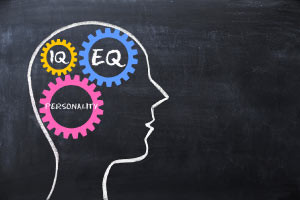
Emotional intelligence in teaching is a crucial element that can significantly improve the learning environment. By fostering emotional intelligence, educators can create stronger connections with their students, enhance their own teaching practices, and facilitate a more supportive classroom atmosphere. This article provides ten actionable tips to cultivate emotional intelligence throughout your teaching journey.
1. Understand Your Emotions
Understanding your own emotions is the first step in cultivating emotional intelligence. Educators who can identify their feelings and recognize their triggers are better equipped to manage their reactions in the classroom. For instance, if a teacher notices they are feeling frustrated due to a student's behavior, they can pause and reassess the situation rather than reacting impulsively. This self-awareness not only benefits the teacher but also sets a positive example for students. A study by the Institute for Social and Emotional Learning found that self-aware teachers have more effective classroom management techniques.
2. Practice Empathy
Empathy is at the heart of emotional intelligence. It enables educators to understand and relate to their students' feelings and perspectives. By actively listening to students, asking questions, and validating their feelings, teachers can foster a trusting and open classroom environment. Role-playing scenarios can be an effective method in training educators to respond empathetically. For example, consider creating opportunities to discuss difficult topics in small groups, encouraging students to share their feelings and thoughts openly.



3. Develop Strong Communication Skills
Effective communication is essential for building relationships with students. Teachers should aim to express their thoughts clearly while also being receptive to student feedback. Utilizing tools such as active listening—where the teacher acknowledges what the student has said—can enhance the dialogue in the classroom. According to a study by the National Education Association, classrooms with open communication channels see an increase in student engagement and participation.
4. Create a Safe Environment
It’s imperative that students feel safe and supported in their learning environment. A safe classroom allows students to express their emotions and share their experiences without fear of ridicule. Teachers can establish this environment by fostering mutual respect and establishing clear classroom rules that promote inclusivity. In a study published in the Journal of Educational Psychology, classrooms that prioritize emotional safety saw improved academic outcomes.
5. Use Social-Emotional Learning (SEL)
Incorporating Social-Emotional Learning (SEL) into the curriculum is a proven way to enhance emotional intelligence among students. SEL teaches skills such as self-awareness, self-management, and relationship building. Implementing SEL programs or lessons can help students develop their emotional skills, equipping them to handle their emotions effectively. According to research from Collaborative for Academic, Social, and Emotional Learning (CASEL), SEL programs lead to an 11% increase in academic performance, highlighting its relevance in teaching.
6. Foster Collaboration
Encouraging collaborative projects enables students to work together, develop their interpersonal skills, and engage with their emotional capacities. Group projects that require teamwork will help students learn about conflict resolution and develop empathy for their peers. Consider structuring activities that involve grouping students with different abilities or backgrounds, allowing them to appreciate different perspectives and emotional responses.



7. Encourage Emotional Expression
Teachers should encourage their students to express their emotions constructively. This might include incorporating activities like journaling, art, or discussions focused on feelings. These activities provide a platform for students to articulate their experiences and learn how to express their emotions in a safe space. Furthermore, emotional expression in educational settings has been linked to higher levels of student satisfaction and resilience.
8. Reflect on Your Teaching Practices
Regularly reflecting on your teaching practices can enhance your emotional intelligence. Ask yourself what emotions you experienced during particular classes, how you responded, and how that affected your students. Keeping a reflective journal can help identify patterns and areas for improvement. Engaging in peer observations and seeking constructive feedback can also provide insight into how your emotional responses impact the classroom environment.
Comparative Analysis of Emotional Intelligence Approaches
| Approach | Pros | Cons | Effectiveness |
|---|---|---|---|
| Self-awareness training | Enhances personal insight | Time-consuming | High |
| Empathy-building exercises | Improves student-teacher relationships | May require facilitator help | Very High |
| Communication workshops | Develops strong dialogue skills | May not suit all learning styles | High |
| SEL curriculum integration | Boosts overall emotional skills | Implementation challenges | Extremely High |
9. Model Emotional Intelligence
As a teacher, modeling emotional intelligence behaviors can significantly influence your students. Demonstrate self-regulation, empathy, and positive conflict resolution in everyday situations. Sharing personal experiences and how emotions impact decisions can create a relatable teaching moment. When students observe these traits in their teachers, they are more likely to mimic them.
10. Invest in Professional Development
Finally, investing in professional development focused on emotional intelligence can bolster your teaching effectiveness. Workshops, online courses, and seminars can provide educators with a wealth of knowledge and strategies to enhance their emotional understanding. We have selected several products adapted to help you in this area—check out our recommendations below to further develop your skills!
Conclusion
Emotional intelligence in teaching is paramount for creating a nurturing, effective classroom. By implementing these ten tips, educators can connect with their students on a deeper level, fostering an environment where learning truly flourishes.
Checklist before Implementation
- [ ] Understand your own emotions
- [ ] Practice empathy regularly
- [ ] Enhance your communication skills
- [ ] Create a safe classroom environment
- [ ] Implement SEL in your lessons
- [ ] Foster collaboration among students
- [ ] Encourage emotional expression in class
- [ ] Reflect on your teaching practices
- [ ] Model emotional intelligence
- [ ] Invest in professional development
Glossary
| Term | Definition |
|---|---|
| Emotional Intelligence | The ability to recognize and manage one’s own emotions and the emotions of others. |
| Social-Emotional Learning | The process through which children and adults acquire the skills to understand and manage emotions, set positive goals, show empathy, establish positive relationships, and make responsible decisions. |
| Self-Regulation | The ability to manage one's emotions, thoughts, and behaviors effectively in different situations. |
📺 Resources Video
> 📺 For further exploration: Discover how to enhance emotional intelligence in teaching, an insightful analysis of methods and benefits. Search on YouTube: "emotional intelligence in teaching 2026".
Quiz
> 🧠 Quick Quiz: What is the first step in developing emotional intelligence as a teacher?
> - A) Understanding your emotions
> - B) Empathy exercises
> - C) Group collaboration
> Answer: A — Understanding your emotions lays the groundwork for further developing emotional intelligence.
📺 Pour aller plus loin : emotional intelligence in teaching 2026 sur YouTube
À lire aussi
Recommended products
Selected by our experts