Table of Contents (14 sections)
Successfully managing a classroom is crucial for both educators and students. It enhances learning, minimizes disruptions, and contributes to a positive atmosphere. Here, we explore seven essential tips to help you achieve effective classroom management that engages students and strengthens their learning experience.
1. Establish Clear Expectations
Setting clear expectations from day one is the foundation of effective classroom management. Outline your behavior standards, learning goals, and the consequences for not meeting these standards. This clarity promotes an environment where students know what is expected of them and what they can expect from you. For instance, consider displaying a poster of classroom rules that can serve as a constant reminder and facilitate discussions around acceptable behavior. Establishing these guidelines not only fosters discipline but also nurtures mutual respect.
2. Build Strong Relationships
Creating positive relationships with your students is key to successful classroom management. A supportive relationship encourages students to engage in their learning and respect classroom rules. Techniques such as learning students' names, being approachable, and showing interest in their lives can help build rapport. According to studies, teachers who connect with their students foster a healthier learning environment, leading to improved academic outcomes. Investing time in understanding your students as individuals can significantly enhance classroom dynamics.
3. Use Positive Reinforcement
Positive reinforcement is an effective strategy in classroom management. Rewarding students for displaying good behavior not only encourages them to repeat those actions but also creates a positive classroom atmosphere. This can be accomplished through verbal praise, stickers, or a reward system that recognizes academic and behavioral achievements. Research indicates that positive reinforcement can lead to a noticeable decline in disruptive behavior, enabling you to focus more on teaching rather than managing disruptions.
4. Implement Engaging Lessons
Boredom can lead to disruptions in the classroom. To maintain student engagement, it’s crucial to design lessons that are interactive, relevant, and aligned with students' interests. Incorporate technology, group projects, and real-life scenarios that motivate students to participate actively. According to educational experts, lessons that stimulate students’ curiosity keep them focused and reduce the likelihood of behavioral issues. For example, transitioning from a lecture-based approach to project-based learning can greatly enhance student engagement.
5. Incorporate Routine and Structure
Establishing a consistent daily routine promotes a sense of security and predictability in the classroom. Routines guide students through their day and help them know what to expect at each stage of the lesson, which can reduce anxiety and behavioral issues. Begin each day with a morning routine that includes a brief discussion of the day’s schedule, allowing students to mentally prepare. Moreover, routines can streamline transitions between activities, minimizing downtime and keeping students focused.
6. Manage the Physical Environment
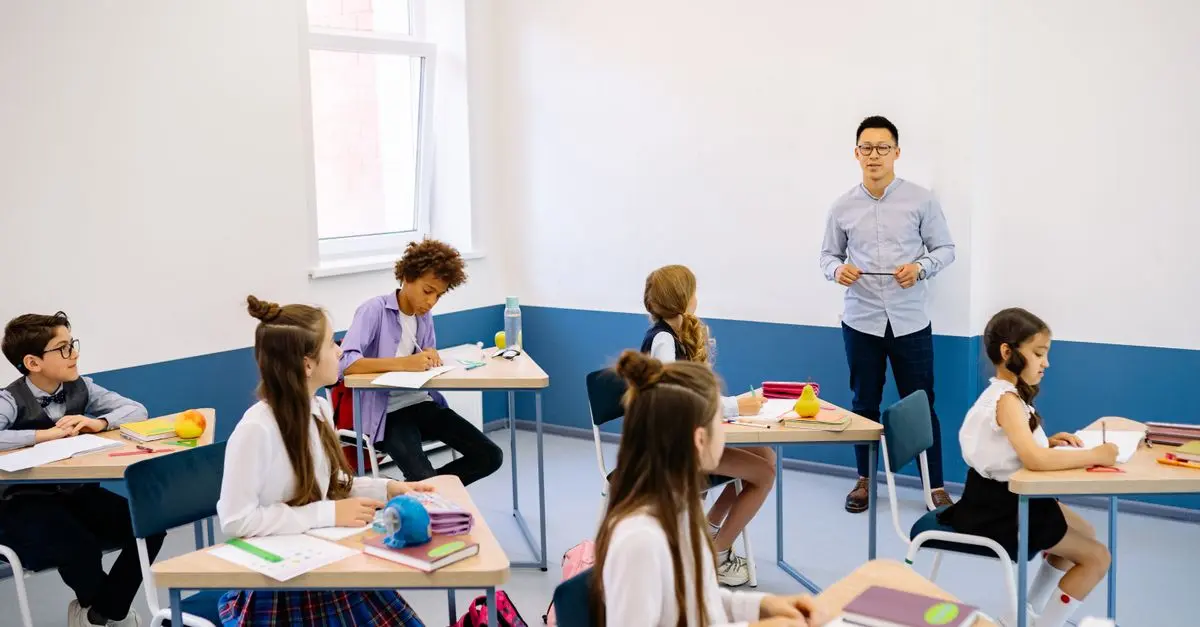
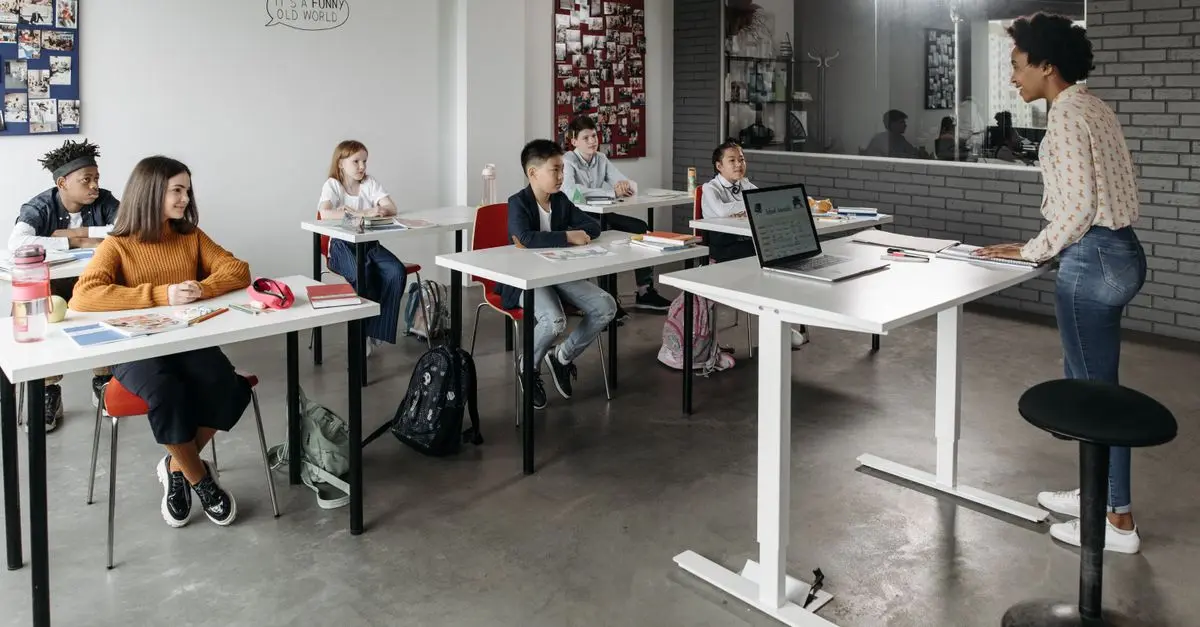
The physical setup of your classroom can significantly impact behavior and learning. Organize your space to minimize distractions and create distinct learning areas, such as quiet zones for independent work and collaborative spaces for group activities. Effective classroom design ensures that students can see the board clearly and facilitates smooth movement around the room. According to research by the National Center for Education Statistics, a well-organized classroom promotes better engagement and reduces classroom management issues, leading to a more conducive learning environment.
7. Be Consistent and Fair
Consistency is essential when enforcing rules and expectations. Students are more likely to respect authority when they perceive it as fair and reliable. This means following through with consequences and rewards as stated in your classroom expectations. Additionally, communicating openly with students about why certain actions merit consequences fosters trust and understanding. By being transparent and fair, you reinforce a culture of accountability in your classroom, ultimately leading to a more harmonious learning environment.
📺 Resource Video
> Watch this insightful video on effective classroom management strategies. Search YouTube for: "classroom management techniques 2026".
Glossaire
| Terme | Définition |
|---|---|
| Engagement des étudiants | Participation active des étudiants dans le processus d'apprentissage. |
| Routines de classe | Programmes établis qui structurent la journée scolaire. |
| Renforcement positif | Technique qui consiste à récompenser les comportements souhaitables pour les inciter à se reproduire. |
Checklist avant achat
- [ ] Establish classroom expectations.
- [ ] Build rapport with students.
- [ ] Implement positive reinforcement strategies.
- [ ] Design engaging and interactive lessons.
- [ ] Create routines for consistency.
- [ ] Organize the classroom environment effectively.
- [ ] Be fair and consistent in rule enforcement.
Conclusion
Mastering classroom management requires a multifaceted approach. By establishing clear expectations, cultivating relationships, and fostering an engaging learning environment, educators can create classrooms that thrive. We encourage you to implement these strategies and witness the positive changes they bring in your teaching journey.
Recommended Products
- - ---
📺 Pour aller plus loin : classroom management techniques 2026 sur YouTube
Recommended products
Selected by our experts
Effective Classroom Management Strategies
Alison US CA
This resource provides effective classroom management strategies to help teachers create a structured environment.
Fundamentals of Classroom Management
Alison US CA
This course covers the fundamentals of classroom management, perfect for new teachers and those looking to refine their skills.