Table of Contents (13 sections)
Creating effective classroom rules is a cornerstone of successful classroom management and can greatly influence the learning environment. Well-crafted rules help establish clear expectations, promote a sense of security, and foster respect among students. In this guide, we will explore the step-by-step process to create classroom rules that are not only effective but also resonate with students.
1. Understand the Purpose of Classroom Rules
Before you can establish rules, it's crucial to understand their purpose. Classroom rules serve several important functions: they set the tone for behavior, clarify what is acceptable and what is not, and promote a positive learning environment. For instance, rules like "Respect everyone" or "Raise your hand to speak" guide students toward appropriate interactions. According to a study by the National Center for Education Statistics, over 75% of teachers believe that clear rules improve classroom behavior. Understanding this context will help you to set rules that contribute to a productive educational atmosphere.
2. Involve Students in the Rule-Making Process
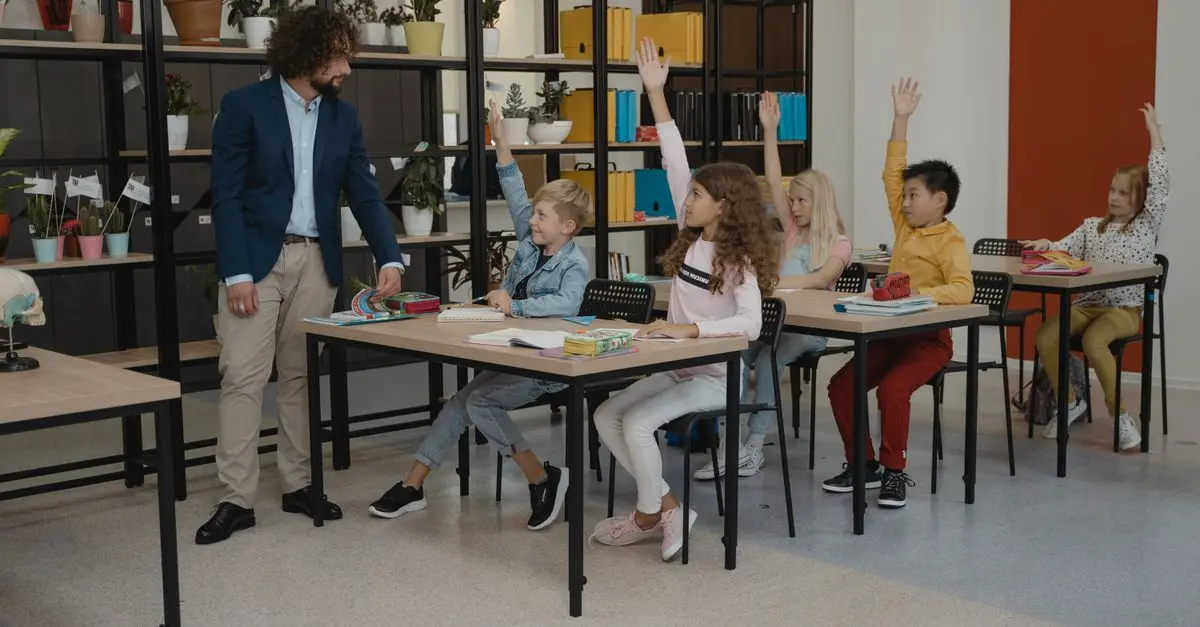
One effective strategy for developing rules is involving students in the creation process. When students participate, they are more likely to buy into the rules and adhere to them. Start by conducting a class meeting where you discuss the importance of rules and brainstorm ideas together. This not only encourages ownership but also teaches students about accountability. For example, you could ask, "What behaviors help us learn better as a class?" This collaborative approach fosters a sense of community and respect among peers.
3. Keep Rules Clear and Concise
After gathering input, focus on articulating the rules clearly and concisely. Aim for a set of no more than five to seven key rules that cover the essential behaviors. Ambiguity can lead to confusion, so use straightforward language. For instance, instead of saying, "Don't disrupt the class," rephrase it to, "Listen when others are speaking." This positive phrasing encourages the desired behavior instead of merely outlining what not to do. According to research by Harvard University, clear rules can reduce misbehavior by up to 30% in the classroom.
4. Define Consequences and Rewards
Creating a system of consequences and rewards is vital in supporting the rules you've established. Make sure that both are consistently applied. For rewards, you might consider a token system where students earn points for positive behavior that can be traded for privileges. On the other hand, consequences for rule violations should be communicated clearly in advance. For instance, if a student disrupts class, they may lose a privilege such as choosing the next activity. By implementing this framework, you create a balanced approach that encourages positive behavior while managing missteps effectively.
5. Post Rules Visibly in the Classroom
Once the rules are defined, ensure they are visible and easily accessible in the classroom. Consider creating a poster that highlights the rules with colorful visuals. This not only serves as a constant reminder for students but also helps new students to acclimate quickly. For example, displaying a chart with both visuals and text can cater to different learning styles. Studies, such as those from the American Educational Research Association, show that visual aids in a classroom can increase retention of information by up to 50%.
6. Review and Revise Rules Periodically
It's essential to review the rules periodically to ensure they remain relevant and effective. Every few months, conduct a class discussion to reflect on what’s working and what’s not. This helps to adapt rules to the changing dynamics of the classroom. You might ask questions like, "Are our rules helping everyone?" or "Is there a rule we should change or add?" This reflective practice reinforces accountability and shows students that their input is valued. Furthermore, adapting rules in response to feedback demonstrates flexibility and responsiveness essential to good classroom management.
7. Lead by Example
One of the most effective ways to enforce classroom rules is to model the behavior you expect from your students. Demonstrate respect, responsibility, and engagement during lessons and interactions. If students see their teacher adhering to the rules, they are more likely to follow suit. Moreover, share stories about your own experiences related to following rules, as this personal touch can resonate on a deeper level.
Checklist for Developing Classroom Rules
- [ ] Define the purpose of rules in the classroom.
- [ ] Involve students in the rule-making process.
- [ ] Create clear and concise rules.
- [ ] Establish consequences and rewards.
- [ ] Display rules visibly in the classroom.
- [ ] Review and revise rules periodically.
- [ ] Model the behaviors you expect from students.
📺 Resource Video
📺 For further insight: Creating an Engaging Classroom Environment, an exploration of best practices for classroom management. Search on YouTube: "classroom management tips 2026".
Glossary
| Term | Definition |
|---|---|
| Classroom Rules | Guidelines set by educators to outline acceptable behaviors in a learning environment. |
| Positive Reinforcement | A technique used to encourage desired behaviors by rewarding positive actions. |
| Student Engagement | The degree of attention, curiosity, and interest that students show towards learning. |
Conclusion
Establishing effective classroom rules is an ongoing journey that requires reflection and adaptation. By following these steps and fostering a positive learning environment, educators can greatly enhance student engagement and overall classroom success.
📺 Pour aller plus loin : classroom management tips 2026 sur YouTube