Table of Contents (25 sections)
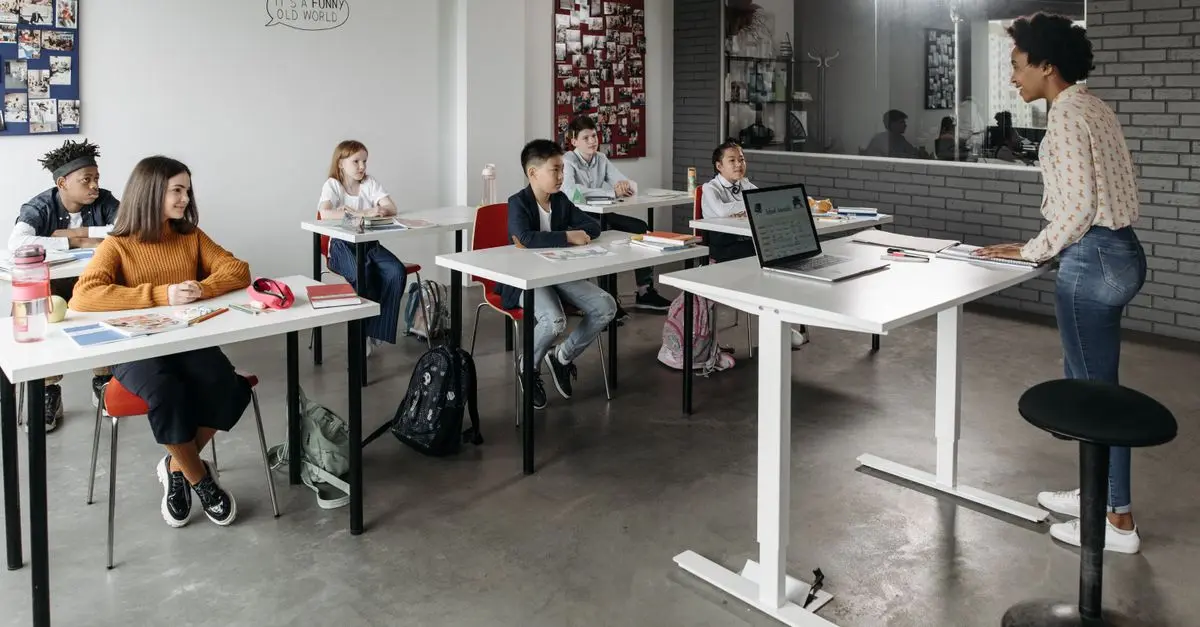
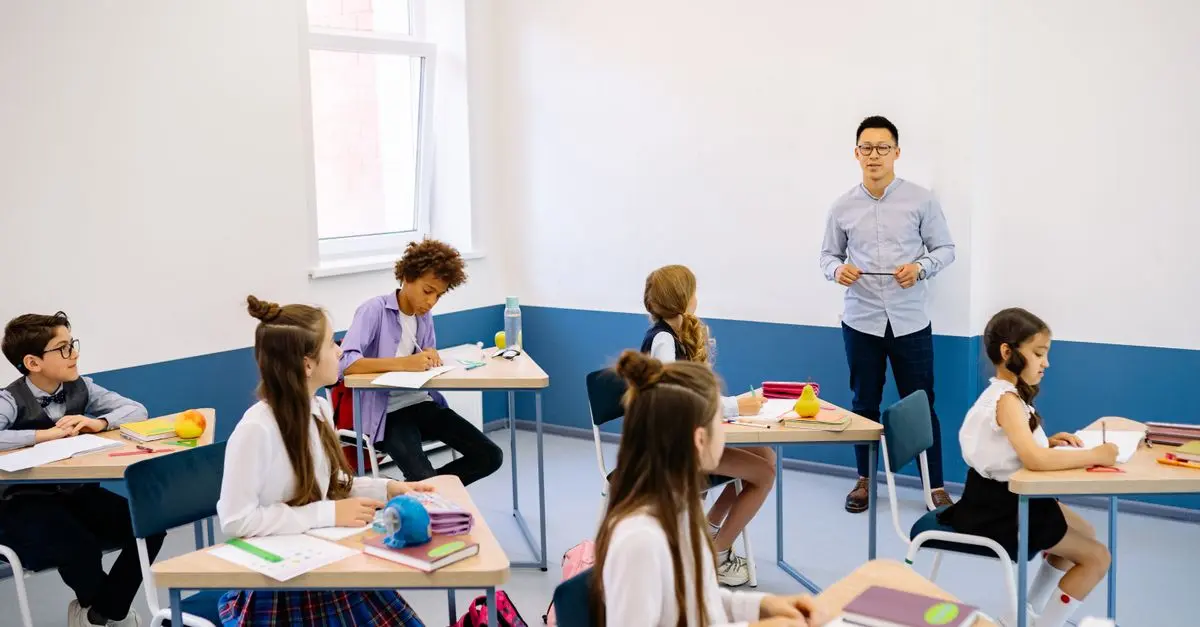
Creating a productive classroom environment is crucial for both teachers and students. Effective classroom management is the backbone of any educational experience, ensuring that lessons are delivered smoothly and that students thrive. In this article, we explore the top 10 tips for successful classroom management that will help you foster a positive learning atmosphere.
1. Establish Clear Expectations
Setting clear expectations is the first step towards effective classroom management. At the beginning of the school year—or even the semester—outline your rules and routines. Make sure students understand what is expected of them regarding behavior, participation, and homework.
Why It Matters
When students know the rules, they are less likely to misbehave. According to a study by the National Center for Education Statistics, classrooms with clear expectations experience 20% fewer discipline issues. Reinforce these expectations regularly to keep them fresh in students' minds.
2. Build Relationships with Students
Developing strong relationships with your students can significantly impact classroom management. Get to know them—understand their interests, strengths, and challenges. This rapport can lead to increased respect and cooperation.
Practical Tips
- Spend a few minutes daily checking in with students.
- Incorporate icebreaker activities to encourage interaction.
Building these connections creates a trusting environment conducive to learning.


3. Use Positive Reinforcement
Positive reinforcement can be an effective classroom management tool. Recognizing and rewarding good behavior encourages students to repeat those behaviors. Use praise, small rewards, or a points system as incentives.
Benefits of Positive Reinforcement
Studies show that positive reinforcement can improve student behavior by up to 30%. It fosters a supportive environment where students feel valued and motivated to learn.
4. Develop a Routine
Consistency in the classroom helps students feel secure. Establishing a daily routine minimizes confusion and cultivates a sense of stability. Outline routines for various transitions— enter the classroom, start activities, and pack up at the end of the day.
Implementation
Create a visual schedule to help students understand their day. Regularly practicing these routines will make transitions smoother, further supporting effective classroom management.
5. Address Misbehavior Promptly
Ignoring misbehavior can let it escalate. Address issues as they arise rather than letting them build up. Use a calm and measured approach to address the behavior without embarrassing the student in front of their peers.
Techniques to Handle Misbehavior
- Implement a system of non-verbal signals to remind students of expectations.
- Follow through with established consequences if behavior does not improve. Prompt intervention demonstrates your commitment to maintaining a respectful learning environment.
6. Engage Students Actively
Incorporate engaging and interactive activities to keep students involved in the learning process. Students are less likely to act out when they are interested in the material being presented.
Ideas for Engagement
- Use group work, discussions, and hands-on projects.
- Incorporate technology and multimedia resources to enhance learning experiences. Engagement is essential for maintaining focus and minimizing disruptions.


7. Monitor the Classroom Environment
Being aware of your classroom dynamics is key. Walk around and observe student interactions and their engagement levels. Proactively addressing issues before they escalate can prevent distractions and maintain a positive environment.
Observational Techniques
Use techniques like proximity control—being near students who may need more support or reminders. This subtle approach can deter misbehavior while also fostering a collaborative atmosphere.
8. Adapt to Different Learning Styles
Every student learns differently. Adapting your teaching style to accommodate various learning preferences can lead to a more successful classroom management experience. Use different instructional strategies to reach all students effectively.
Suggested Methods
Incorporate visual aids, hands-on activities, and auditory elements into your lessons. Assess and address student needs regularly to ensure everyone can thrive.
9. Communicate with Parents
Engaging parents in the classroom management process can yield positive results. Establish open lines of communication to share updates about student progress and behavior.
Parent Engagement Strategies
- Send regular newsletters or emails.
- Schedule parent-teacher conferences to discuss individual student needs. Parental involvement can enhance student accountability and foster a collaborative approach.
10. Reflect and Adjust
Finally, regularly reflecting on your classroom management strategies is vital. What works well? What doesn’t? Be prepared to adjust your methods based on student feedback and classroom dynamics.
Why Reflection is Important
Assessment of classroom management helps identify patterns and trends that may need attention. According to TeachThought, reflective teaching practices can lead to a 25% increase in overall classroom effectiveness.
Conclusion
Effective classroom management is a critical component of successful teaching. By implementing these tips—such as establishing expectations, building relationships, and engaging students—you can create a positive and productive environment for learning.
Checklist for Successful Classroom Management
- [ ] Establish clear rules and routines.
- [ ] Build relationships with students.
- [ ] Use positive reinforcement methods.
- [ ] Develop a consistent daily routine.
- [ ] Address misbehavior promptly and effectively.
- [ ] Engage students with interactive activities.
- [ ] Monitor classroom dynamics regularly.
- [ ] Adapt to various learning styles.
- [ ] Communicate with parents.
- [ ] Reflect on classroom management strategies.
Glossary
| Term | Definition |
|---|---|
| Classroom Management | Techniques used to maintain a productive learning environment. |
| Positive Reinforcement | Providing rewards or praise to encourage desirable behavior. |
| Engagement | The level of interest and involvement students show in their learning. |
📺 Resources Video
> 📺 For further insight: Explore various effective teaching strategies in 2026, search on YouTube for: "effective classroom management techniques 2026".
🧠 Quick Quiz: What is the most effective method for classroom engagement?
- A) Lectures
- B) Group Work
- C) Silent Reading
Answer: B — Group work fosters collaboration and keeps students engaged.
📺 Pour aller plus loin : effective classroom management techniques 2026 sur YouTube
Recommended products
Selected by our experts
Think Tank Photo Cable Management 30
thinktankphoto.com
These cable management pouches help keep your classroom organized and free from distractions caused by tangled cords.
Think Tank Photo Cable Management 10
thinktankphoto.com
Smaller cable management solutions can easily be integrated into personal desks to maintain a tidy work environment.
Think Tank Photo Cable Management 20
thinktankphoto.com
These medium-sized cable management pouches work effectively for shared tech areas, reducing confusion and enhancing focus.