Table of Contents (13 sections)
Classroom management is a crucial aspect of effective teaching. A well-managed classroom not only enhances learning outcomes but also fosters a positive environment for both students and teachers. In this article, we will explore key strategies for successful classroom management to help educators establish order, promote engagement, and support student success.
1. Establish Clear Expectations
Setting clear expectations is vital in any classroom. Students thrive when they know what is expected of them. Begin the school year by discussing classroom rules, routines, and the behavior that is expected from each student. Use positive reinforcement to encourage adherence to these rules. For example, you might use a reward system for students who consistently meet classroom expectations. According to a study by the National Education Association (NEA), classrooms with clearly defined rules experience fewer behavioral issues and higher levels of student engagement.
2. Create a Positive Classroom Environment
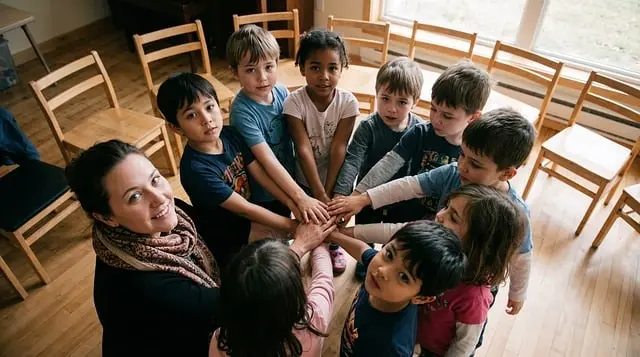
A positive classroom environment is essential to effective classroom management. This can be achieved by fostering strong relationships with students and creating a welcoming atmosphere. Consider using collaborative seating arrangements or having a designated area for student-led activities. According to research from Stanford University, classrooms that emphasize a supportive community lead to increased student motivation and a decrease in disciplinary actions. The physical environment should also be inviting; personalize the space with student work and engaging educational materials.
3. Implement Engaging Instructional Strategies
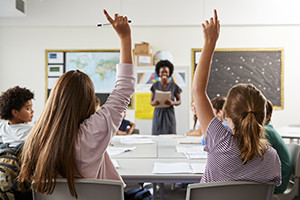
Engagement is the key to effective classroom management. Students are less likely to exhibit disruptive behaviors when they are actively involved in the learning process. Use a variety of teaching methods—like group work, hands-on activities, and digital resources—to cater to diverse learning styles. For instance, project-based learning encourages students to collaborate and engage deeply with the material. According to Hattie and Timperley (2007), effective feedback and interactive teaching methods significantly contribute to student success.
4. Utilize Technology Wisely
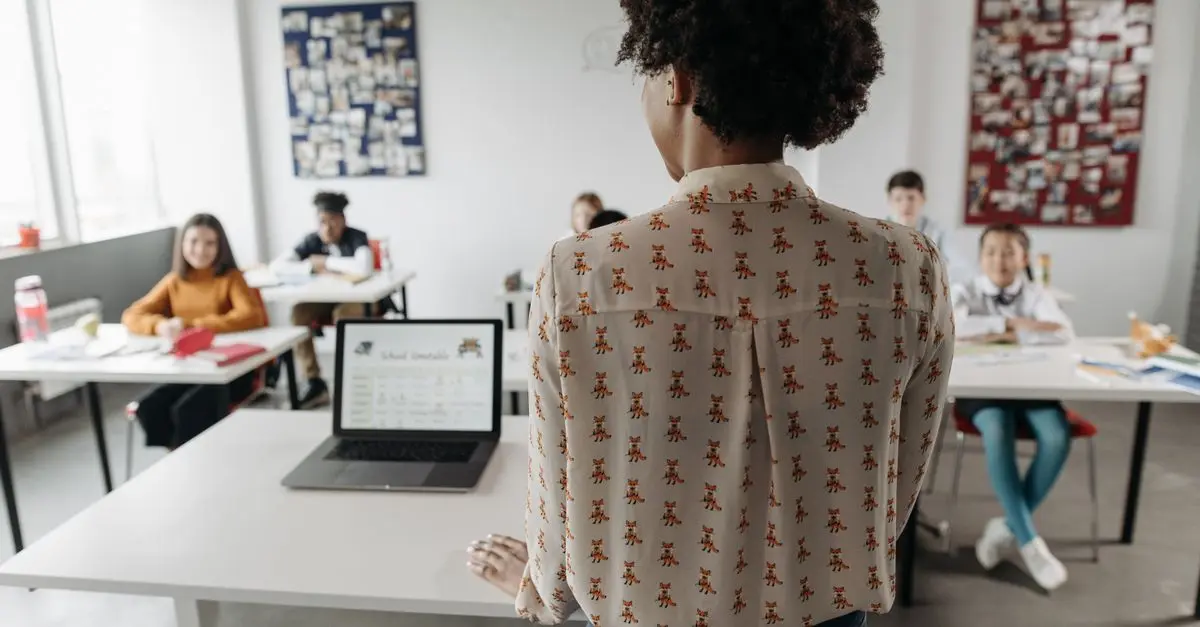
In today's digital age, incorporating technology in classroom management can enhance engagement. Tools such as interactive whiteboards, classroom management apps, and online quiz platforms can streamline classroom operations and maintain student interest. Utilizing educational apps that promote gamified learning can incentivize students to participate more actively. According to recent data, classrooms that integrate technology dynamically see an average increase of 20% in student participation.
5. Build Strong Relationships
Building relationships with students is at the core of effective classroom management. Taking time to understand each student's background, interests, and learning preferences can foster mutual respect and improve communication. Simple actions such as personal check-ins and engaging in students' hobbies can enhance rapport. Research shows that teachers who foster strong relationships see improvements in not just academic performance but also social-emotional outcomes for students. According to a report from the American Psychological Association**, positive teacher-student relationships lower anxiety and promote a more cohesive classroom.
6. Manage Time Effectively
Effective time management is a critical strategy that relates deeply to classroom management. Mapping out a well-structured lesson plan can minimize downtime and misbehavior. Introduce time limits for activities and provide smooth transitions between tasks to keep students focused. Implementing techniques like the Pomodoro Technique can also aid in maintaining attention spans. Studies show that adequately managing classroom time can lead to a 30% improvement in task completion rates among students.
7. Utilize De-escalation Techniques
Managing classroom conflicts and disruptions is an unavoidable task for educators. Learning de-escalation techniques, like remaining calm and using a low voice to address disruptive behavior, can diffuse tense situations. Furthermore, strategies such as providing students with a choice of consequences or allowing them to take a brief break can be effective. For instance, waiting for a student to cool down before addressing their behavior can lead to better resolutions. According to the Journal of Classroom Interaction, classrooms using de-escalation methods report a 15% decrease in disruptive incidents.
8. Visual Aids and Resources
Visual aids can significantly enhance comprehension and retention, which is crucial in managing a classroom effectively. Utilize posters, charts, and digital presentations to convey information and reinforce expectations visually. This not only aids in instruction but also serves as a constant reminder of rules and routines. Engaging visuals can captivate students' attention and reduce incidents of misbehavior, as noted by the Visual Learning Research Group, which found that visual stimuli increase retention rates by over 30%.
Conclusion
Effective classroom management requires a multifaceted approach, integrating clear expectations, engaging activities, and relationship-building techniques. By implementing these strategies, educators can create a learning environment conducive to growth and achievement. Remember, classroom management is not just about maintaining order; it is about inspiring and empowering your students to be their best selves.
Checklist for Effective Classroom Management
- [ ] Establish clear classroom rules and expectations
- [ ] Create a positive and welcoming classroom environment
- [ ] Utilize diverse instructional strategies to engage students
- [ ] Integrate technology to enhance learning experiences
- [ ] Build strong relationships with students
- [ ] Employ effective time management techniques
- [ ] Utilize de-escalation strategies for conflict management
- [ ] Incorporate visual aids and resources effectively
Glossary
| Term | Definition |
|---|---|
| Classroom Management | Strategies and methods used to maintain an effective learning environment. |
| De-escalation | Techniques used to reduce tension and prevent conflicts in a learning space. |
| Engagement | The level of interest and participation that students exhibit towards learning activities. |
> 📺 For further learning: Watch this video on classroom management strategies to enhance engagement and reduce disruption. Search on YouTube: "classroom management techniques 2026".
Recommended Products: Discover our carefully selected resources tailored for enhancing classroom management. Below are some valuable products:
- - ---
📺 Pour aller plus loin : classroom management techniques 2026 sur YouTube
Recommended products
Selected by our experts
Effective Classroom Management Strategies
Alison US CA
A guide that outlines effective strategies for classroom management tailored for diverse student needs.
Fundamentals of Classroom Management
Alison US CA
An overview of foundational concepts in classroom management to help educators establish a productive learning environment.