Table of Contents (15 sections)
Teaching is often described as one of the most rewarding professions. However, it also comes with a unique set of emotional challenges that can impact both personal well-being and professional effectiveness. Understanding the emotional aspects of your teaching journey is crucial for fostering resilience and ensuring a positive impact on your students. This article will explore various emotional challenges teachers face, practical strategies for managing them, and the importance of emotional intelligence in teaching.
Understanding the Emotional Aspects of the Teaching Journey
Teaching is not simply a profession; it is a journey filled with emotional highs and lows. According to research published by the National Education Association, nearly 60% of teachers report feeling overwhelmed by their job's emotional demands. The emotional landscape can include stress from managing classroom behavior, the weight of meeting diverse student needs, and the pressure of administrative expectations.
Further complicating this landscape is the specific emotional investment that teachers make in their students. Empathy plays a pivotal role in teaching, allowing educators to connect with students and address their diverse needs. However, this emotional attachment can lead to compassion fatigue, a condition that impacts teachers' mental health and effectiveness in the classroom. Understanding these emotional dynamics is essential for creating a supportive teaching environment.
Strategies to Manage Emotional Challenges
Self-Care Practices
One effective method for navigating the emotional aspects of your teaching journey is implementing a self-care routine. Self-care encompasses various practices that enhance personal well-being. For teachers, this can mean setting boundaries between work and home life. Engaging in hobbies outside of work, spending time with family, or even just taking a moment to breathe during a hectic day can make a significant difference.
Furthermore, mindfulness practices such as meditation or yoga have been shown to reduce stress and improve emotional resilience. Incorporating these practices into your daily routine can help teachers reset and recharge, enabling them to approach their classrooms with a fresh mindset.
Building a Support Network
Creating a supportive network is another key strategy. Teachers often work in isolation, leading to feelings of loneliness and burnout. Establishing connections with colleagues—whether through formal professional learning communities or informal friendships—can provide emotional support and facilitate shared problem-solving.
Moreover, engaging with mentors can offer insight and guidance in navigating difficult emotional situations. According to a study by Education Week, teachers who reported having strong mentorship relationships felt less stressed and more satisfied in their roles. These relationships can foster a sense of belonging and provide validation, essential for maintaining emotional health.



Comparative Analysis of Emotional Support Strategies
| Strategy | Benefits | Drawbacks | Effectiveness | Verdict |
|---|---|---|---|---|
| Self-Care Practices | Reduces stress; promotes well-being | Time-consuming | Highly effective when consistently practiced | Recommended |
| Building a Support Network | Emotional validation; shared learning | May require effort to establish | Very effective for long-term emotional health | Essential |
| Professional Development Workshops | Skill enhancement; meeting peers | May not address emotional aspects directly | Moderately effective | Beneficial but should complement other strategies |
| Mindfulness Training | Promotes relaxation; decreases anxiety | Requires practice and discipline | Highly effective with regular practice | Recommended |
The Role of Emotional Intelligence in Teaching
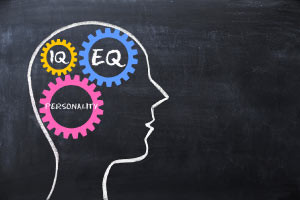
Emotional intelligence (EI) is critical for teachers navigating their emotional journeys. Understanding your emotions and those of your students can help manage classroom dynamics effectively. According to a study in the Journal of Educational Psychology, teachers with high EI are better equipped to create positive learning environments, leading to improved student outcomes.
Developing EI involves self-awareness, self-regulation, motivation, empathy, and social skills. Teachers who enhance their EI can not only manage their emotional responses but can also connect more deeply with their students, making the learning experience more impactful. Emotional intelligence training programs can be instrumental for teachers seeking to improve these skills.
What are the main emotional challenges teachers face?
The primary challenges include stress, compassion fatigue, juggling diverse student needs, and feeling isolated in their roles.
How can teachers practice self-care?
Teachers can practice self-care by setting boundaries, engaging in hobbies, and incorporating mindfulness techniques into their routines.
Why is emotional intelligence important for teachers?
Emotional intelligence helps teachers understand their own emotions and those of their students, facilitating better classroom management and enhancing the learning environment.
What are the benefits of having a mentor as a teacher?
Mentors provide emotional support, share resources, and offer guidance during challenging times, which can greatly enhance a teacher's professional satisfaction.
Glossary
| Term | Definition |
|---|---|
| Emotional Intelligence | The ability to understand and manage one's own emotions and those of others. |
| Compassion Fatigue | The emotional strain of exposure to trauma, which leads to a decrease in compassion over time. |
| Self-Care | The practice of taking an active role in protecting one's own well-being and happiness. |
Checklist before Buying Emotional Support Products
- [ ] Identify your emotional challenges as a teacher.
- [ ] Explore self-care options to integrate into your routine.
- [ ] Connect with colleagues for emotional support.
- [ ] Research emotional intelligence training programs available.
- [ ] Evaluate the effectiveness of self-care strategies you implement.
📺 For further exploration: [Emotional Intelligence in Education] offers a comprehensive view of how emotional intelligence applies to teaching. Search on YouTube: emotional intelligence for teachers.
In summary, navigating the emotional aspects of your teaching journey is crucial for your well-being and effectiveness as an educator. By implementing self-care practices, building a strong support network, and enhancing your emotional intelligence, you can manage the challenges you face more effectively. Embrace your teaching journey with resilience and confidence.
💡 Expert Opinion: Enhancing emotional intelligence not only helps in personal management but significantly improves the overall classroom experience, creating a nurturing environment for both teachers and students.
Explore our recommended products for supporting your emotional intelligence and resilience, and take proactive steps towards thriving in your teaching career.
📺 Pour aller plus loin : emotional intelligence for teachers sur YouTube



Recommended products
Selected by our experts